


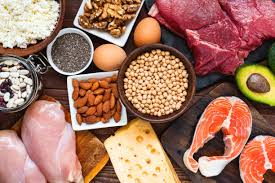
Meat, fish, eggs, and legumes are vital sources of protein, each with distinct structural and nutritional characteristics. Meat is recognized as a complete protein source, containing all essential amino acids that the human body cannot produce, necessitating their inclusion in the diet.
Fish is an excellent protein source due to its high quality and quantity, containing approximately 20% protein with a biological value of 80, rich in lysine and methionine, which complements cereals and pulses.
Egg protein is of such high quality that its biological value is set at 100, serving as a standard for evaluating other food proteins, as it contains all essential amino acids required in the human diet. Legumes vary in protein content, ranging between 20 and 35%, depending on the species.
This article examines the structure and nutritional composition of meat, fish, eggs, and legumes, highlighting their nutritional importance.
Read Also: Guide On How To Increase Goats Milk
Structure and Composition of Meat
1. Structure of Meat
Muscle fibers, known as myofibrils, are composed of thick and thin filaments arranged in a repeating pattern alongside other myofibrils. One unit of a bundle is called a sarcomere, or little muscle.
The thick filaments consist of the contractile protein myosin. The thin filaments, known as actin, contain two other proteins, troponin and tropomyosin, which help regulate muscle contraction.
2. Nutritional Composition of Meat
Most meat contains about 20% protein, which is of high quality due to its inclusion of all essential amino acids. Meat also contains a fair amount of saturated fat, linked to some cardiovascular diseases, and should be consumed in moderation, especially by adults. Muscle meat provides important vitamins and minerals, such as vitamin B12, zinc, phosphorus, and iron.
Nutritional Composition of Meat
| Meat Type | Protein (g) | Saturated Fat (g) | Fat (g) | Energy (kcal) | Vit. B12 (mcg) | Na (mg) | Zn (mg) | P (mg) | Fe (mg) |
|---|---|---|---|---|---|---|---|---|---|
| Chicken breast, raw | 24.2 | 0.2 | 8.5 | 178 | 0.39 | 71 | 0.9 | 199 | 1.2 |
| Chicken, raw | 22.8 | 0.6 | 1.9 | 113 | 0.70 | 78 | 1.4 | 202 | 0.7 |
| Beef, loin, raw | 20.9 | 1.5 | 3.2 | 115 | 2.0 | 59 | 3.7 | 142 | 1.6 |
| Pork, loin, raw | 21.9 | 1.7 | 4.9 | 134 | 1.1 | 55 | 1.9 | 220 | 0.7 |
| Duck meat, skinless, raw | 19.4 | 1.8 | 6.6 | 130 | 2.8 | 90 | 1.8 | 201 | 2.5 |
Read Also: Sheep and Goat Housing Complete Guide
Structure and Composition of Fish
1. Structure of Fish
The structure of a typical fish is illustrated in diagrams specific to fish anatomy, showing muscle and tissue arrangements.
2. Nutritional Composition of Fish
The composition of fish varies significantly based on its fat content. Fish contains less fat compared to meat and poultry, with lipid content ranging from 1 to 2.8% for most fish and prawns, though crab contains nearly 10% fat. Fish is a high-quality protein source, with approximately 20% protein content, and is rich in essential amino acids like lysine and methionine.
Nutritional Composition of Fish
| Fish Type | Moisture (g) | Energy (kcal) | Protein (g) | Fat (g) | Carbohydrate (mg) | Calcium (mg) | Phosphorus (mg) | Iron (mg) | Thiamin (mg) | Riboflavin (mg) |
|---|---|---|---|---|---|---|---|---|---|---|
| Catfish | 77.1 | 86 | 21.4 | – | – | 10 | 230 | – | – | – |
| Mackerel | 77.3 | 93 | 18.9 | 1.7 | 0.5 | 429 | 305 | 4.5 | – | – |
| Sardine | 78.1 | 101 | 21.0 | 1.9 | – | 90 | 360 | 2.5 | – | – |
| Prawn | 77.4 | 89 | 19.1 | 1.0 | 0.8 | 323 | 278 | 5.3 | 0.01 | 0.10 |
| Crab | 65.3 | 169 | 11.2 | 9.8 | 9.1 | 1606 | 253 | – | – | – |
Structure and Composition of Eggs
1. Structure of an Egg
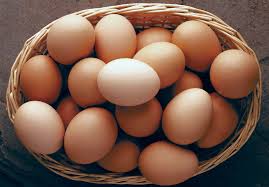
A hen’s egg consists of four main components: (a) shell, (b) shell membranes, (c) albumen or white, and (d) yolk.
2. Nutritional Composition of an Egg
An egg contains about six grams of protein, all of which are essential amino acids required in the human diet. Eggs also provide five to six grams of easily digestible fat, with a higher proportion of desirable unsaturated fatty acids (especially oleic acid) compared to most livestock products.
Egg yolk lipid is composed of mostly triglycerides (65%), a good amount of phospholipids (8%), and cholesterol (5%), which is controversial due to its health implications.
Eggs are a significant source of fat-soluble vitamins (A, D, E, and K) and water-soluble B-complex vitamins but do not contain vitamin C. Eggs are also rich in essential minerals such as iron, phosphorus, potassium, and trace elements necessary for blood, bone, and soft tissue formation.
Structure and Composition of Legumes
1. Structure of a Typical Legume
Pulses or legumes share a similar structure but differ in color, shape, size, and seed coat thickness. Mature seeds have three major components: the seed coat, cotyledons, and embryo. The seed coat or hull accounts for 7–15% of the seed mass, cotyledons about 85%, and the embryo 1–4%.
External structures include the testa (seed coat), hilum, micropyle, and raphe. The testa covers most of the seed surface, the hilum is an oval scar where the seed was attached to the stalk, and the micropyle is a small opening next to the hilum.
When the seed coat is removed, the embryonic structure remains, consisting of two cotyledons (seed leaves) and a short axis above and below them. The cotyledons are not physically attached except at the axis, and the seed coat provides weak protection, making the seed vulnerable to breakage.
2. Nutritional Composition of Legumes
The chemical composition of legumes varies by species, with protein content ranging between 20 and 35%. This is considered high compared to cereals, and legume proteins are rich in lysine and sulfur amino acids like methionine, which are limited in most plant foods.
Examples of legumes include cowpea, pigeon pea, mung beans, soybeans, groundnuts, and lentils. Legumes are also rich in dietary fiber, particularly soluble fiber (approximately 16–20%), which facilitates water absorption in the intestine, increasing the intestinal bolus and preventing constipation. Legumes are generally low in fat (1–4%), except for oilseeds like soybeans (18%) and peanuts (50%).
Foods in this group meat, fish, eggs, and legumes are excellent sources of protein, providing about 20% or more protein. Meat, fish, and eggs supply high-quality proteins containing all essential amino acids. Legumes, while rich in protein, may lack one or more essential amino acids, making their protein quality inferior to animal sources.
Meat contains a fair amount of saturated fats, which can negatively affect health. Eggs contain cholesterol, implicated in cardiovascular disease risk. Fish has less fat than meat, while legumes, except for oilseeds like soybeans and groundnuts, are low in fat.
Do you have any questions, suggestions, or contributions? If so, please feel free to use the comment box below to share your thoughts. We also encourage you to kindly share this information with others who might benefit from it. Since we can’t reach everyone at once, we truly appreciate your help in spreading the word. Thank you so much for your support and for sharing!