


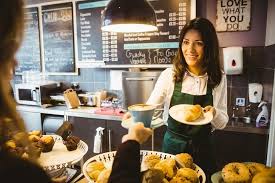
Service in foodservice operations refers to the manner and method of presenting food to guests. Historically, elaborate protocols defined service, though many are less common today. Technical terms like service a l’assiette, a la francaise, a la anglaise, and a la russe remain relevant.
This article explores the various styles and techniques of food service. It outlines five internationally recognized service styles, their advantages, disadvantages, and specific techniques for serving food and beverages. Understanding these methods enhances guest experiences in dining settings.
Service Styles Overview
The art of food service varies across cultures and establishments. Each style has unique characteristics, balancing elegance, efficiency, and guest interaction. Below, we detail five internationally recognized service styles, their processes, and their impact on dining experiences.
A. French Service
French service, or gueridon service, involves serving food from a rolling cart, matching the table’s height. The cart, covered with a cloth, features a small alcohol stove to keep food warm. This style is elegant and theatrical, with food partially prepared in the kitchen.
The Chef or Headwaiter completes preparation at the gueridon, showcasing skills like carving or flambé. This service requires technical expertise and showmanship. It offers a personalized, royal experience but demands significant space and staff.
Advantages:
1. Personalized Attention: Guests feel valued with tailored service.
2. Elegant Experience: The theatrical presentation entertains diners.
3. Higher Pricing: The premium service justifies elevated costs.
French service elevates dining through its focus on guest experience. Its unique tableside preparation creates a memorable, interactive atmosphere, though it comes with notable operational challenges.
Disadvantages:
1. Slow Service: Preparation at the table takes time.
2. Expensive Staffing: Requires skilled professionals.
3. Space Requirements: Needs ample dining room space.
B. American Service
American service, or plate service, involves pre-plating food in the kitchen for quick delivery. Common in coffee shops, it emphasizes speed and simplicity. Minimal training is required, making it ideal for fast-paced environments with novice staff.
This service ensures efficiency but lacks the flair of other styles. It’s cost-effective, requiring fewer staff and no specialized equipment. However, it offers less personalized attention and showmanship compared to French or Russian service.
Advantages:
1. Fast Service: Food is served quickly at proper temperatures.
2. Cost-Effective: Requires minimal staff and equipment.
3. Simple Training: Novice staff can handle service.
American service prioritizes efficiency, making it suitable for high-turnover settings. Its straightforward approach reduces costs and training needs, though it sacrifices some elegance.
Disadvantages:
1. Less Showmanship: Lacks theatrical elements.
2. Reduced Personalization: Guests receive less individual attention.
Read Also: 15 Medicinal Health Benefits Of Aspidosperma quebracho-blanco (Quebracho Blanco)
C. English Service

English service, or family-style, involves the host distributing food. Soup tureens or main entrees are placed before the host, who serves portions to guests via waiters. Vegetables may be served by the hostess, enhancing the communal feel.
This style is common in family restaurants and coffee shops. It’s fast and inexpensive, requiring no special equipment. However, it offers less showmanship and personalized attention, similar to American service.
Advantages:
1. Speedy Service: Food is served promptly at proper temperatures.
2. Cost-Effective: Minimal equipment and staff needed.
3. Simple Setup: No specialized tools required.
English service fosters a warm, communal dining experience. Its simplicity and speed make it ideal for casual settings, though it lacks the sophistication of other styles.
Disadvantages:
1. Limited Flair: Lacks theatrical presentation.
2. Less Personalization: Reduced focus on individual guests.
D. Russian Service
Russian service mirrors French service but with food fully prepared and pre-cut in the kitchen. The Chef arranges food on silver platters, shown to guests as a polite gesture. Waiters then serve portions using serving cutlery.
This style is elegant and efficient, requiring only one waiter per station. It ensures equal portions but demands significant investment in silver equipment. Heavy trays can also pose challenges for waiters.
Advantages:
1. Elegant Presentation: Entertaining and visually appealing.
2. Efficient Staffing: One waiter serves each station.
3. Equal Portions: Pre-cut food ensures consistency.
Russian service combines elegance with efficiency, offering a refined dining experience. Its use of silver platters enhances visual appeal, though it requires substantial investment.
Disadvantages:
1. High Costs: Requires expensive silver equipment.
2. Presentation Issues: Later guests may see less appealing platters.
3. Heavy Trays: Waiters carry heavily loaded trays.
E. Buffet Service
Buffet service, or self-service, is used in banquets and some restaurants. Food is arranged on a long table, from appetizers to desserts, with soup in tureens and hot entrees in chafing dishes. Guests serve themselves, choosing their portions.
This service is fast and requires fewer staff. The presentation can be appetizing, but food shortages may occur if early guests take larger portions, leaving little for latecomers.
Advantages:
1. Fast Service: Guests serve themselves quickly.
2. Minimal Staff: Fewer servers are needed.
3. Appealing Display: Food presentation can be attractive.
Buffet service offers flexibility and visual appeal, allowing guests to customize their meals. Its efficiency suits large gatherings, though portion control can be challenging.
Disadvantages:
1. Food Shortages: Early guests may deplete popular dishes.
2. Less Control: Staff cannot manage portion sizes.
Read Also: 10 Medicinal Health Benefits Of Astrocaryum aculeatissimum (Tucum)
Service Techniques
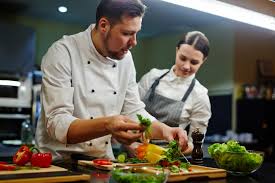
Mastering service techniques ensures seamless dining experiences. These methods, from handling plates to pouring beverages, require precision and adherence to etiquette. Below, we outline key techniques used in professional food service settings.
Proper execution of these techniques enhances efficiency and guest satisfaction. Waiters must balance functionality with elegance, ensuring food and beverages are presented impeccably. Each method follows specific rules for consistency and professionalism.
A. Serving Food
Serving food requires careful handling to maintain presentation and hygiene. Two primary techniques are used: one-hand and two-hand service. Each is suited to specific service styles, such as platter or buffet service.
1. One-Hand Service: Used for platter service with a long grip. Hold the spoon between the index and middle fingers, fork between the index and thumb. Slide the spoon under the food, apply light pressure, and lift.
2. Two-Hand Service: Used at side tables or buffets. Hold the spoon in the right hand, fork in the left. Scrape the spoon’s bottom with the fork to prevent drips, ensuring a clean plate.
3. Arranging Food: Meat is placed at the plate’s lower part, sauces to the left or over the meat for specific dishes. Side dishes are arranged for color harmony, with clean rims and no overloading.
B. Pouring Beverages
Beverage service demands attention to detail to avoid spills and maintain aesthetics. Glasses are handled by the stem or foot to prevent fingerprints, and beverages are poured from the right.
1. Glass Handling: Place glasses to the guest’s right using the right hand. Ensure logos face the guest. For heavy red wines, hold the glass slightly slanted and pour slowly to avoid disturbing sediment.
2. Wine Service: Present the bottle to the host, pour a small amount for approval, then serve guests first, host last. Clear glasses only after the next course’s beverage is served.
C. Clearing Procedures
Clearing tables follows a strict sequence to maintain order and cleanliness. Plates, flatware, and glasses are removed systematically to prepare for the next course or dessert.
1. Sequence of Clearing: Remove aperitif glasses after wine is served, white wine glasses after red wine, and red wine glasses after coffee. Clear platters first, then dinner plates and flatware.
2. Plate Clearing: Use the two-plate technique, arranging flatware on the first plate. Stack additional plates on the second, scraping leftovers away from the table to maintain decorum.
D. Handling Serving Dishes
Proper handling of serving dishes and utensils ensures safety and elegance. The left hand carries, while the right hand works, with trays covered to prevent clattering.
1. Carrying Trays: Cover trays with a napkin, carry platters in both hands, and place serving bowls on small plates with doilies. Arrange heavier items centrally to balance weight.
2. Carrying Plates: Hold a stack with a cloth to avoid direct contact. For two plates, use thumb and forefinger for the first, supporting the second with other fingers or the forearm.
E. General Service Rules
Adhering to service etiquette ensures a polished dining experience. These rules prioritize guest comfort, hygiene, and efficiency, with specific protocols for serving and clearing.
1. Serving Order: Serve women first, then the guest of honor, followed by older or distinguished guests. The host is served last, and children are served quickly.
2. Placement Rules: Place food from the left, beverages from the right. Use the appropriate hand for each side to avoid bumping guests. Ensure serving silver is accessible.
3. Equipment Standards: Never use soiled, chipped, or cracked glassware or china. Handle tumblers by bases, goblets by stems, and place cups and saucers correctly.
Frequently Asked Questions
1. What is the main difference between French and Russian service?
French service involves preparing food at a gueridon in view of guests, while Russian service uses pre-prepared, pre-cut food arranged on silver platters and served directly.
2. Why is American service popular in coffee shops?
American service is fast and simple, with food pre-plated in the kitchen. It requires minimal staff training and no special equipment, making it ideal for busy settings.
3. What are the benefits of buffet service?
Buffet service is fast, requires fewer staff, and offers an appetizing display. Guests can choose their portions, but shortages may occur if early guests take larger servings.
4. How does English service differ from other styles?
English service, or family-style, involves the host serving food to guests via waiters. It’s fast and inexpensive but offers less showmanship and personalized attention.
5. Why is French service considered expensive?
French service requires a large, skilled staff for tableside preparation and showmanship. It also needs ample dining space and specialized equipment like gueridons.
6. What are key considerations when arranging food on plates?
Place meat at the plate’s lower part, sauces to the left or over the meat, and side dishes for color harmony. Ensure rims are clean and plates are not overloaded.
7. How should beverages be served to guests?
Handle glasses by the stem or foot, pour from the right, and ensure logos face the guest. For wine, present the bottle to the host for approval before serving.
8. What is the proper way to clear plates?
Clear platters first, then dinner plates and flatware, using the two-plate technique. Scrape leftovers away from the table and limit clearing to four plates at a time.
Do you have any questions, suggestions, or contributions? If so, please feel free to use the comment box below to share your thoughts. We also encourage you to kindly share this information with others who might benefit from it. Since we can’t reach everyone at once, we truly appreciate your help in spreading the word. Thank you so much for your support and for sharing!