


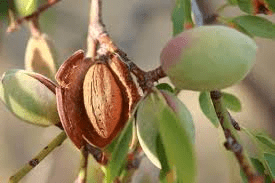
The almond peduncle is a vital part of the almond fruit. It is responsible for transporting nutrients and water from the tree to the developing almond seed. The peduncle is also responsible for the removal of waste products from the seed.
The almond peduncle is a woody structure that is about 1-2 cm in length. It is attached to the almond seed at a point called the hilum. The hilum is a small, scar-like structure on the surface of the almond seed that marks the point of attachment of the peduncle.
The almond peduncle is composed of several layers of tissue. The outer layer is called the epidermis, which is a thin layer of cells that covers the surface of the peduncle. The epidermis protects the peduncle from damage and helps to prevent water loss.
Beneath the epidermis is a layer of cells called the cortex. The cortex is responsible for storing nutrients and water that are transported through the peduncle. The cortex also contains fibers that give the peduncle its strength and flexibility.
The innermost layer of the almond peduncle is the vascular tissue. The vascular tissue consists of two types of cells: xylem and phloem. The xylem is responsible for transporting water and minerals from the roots to the almond seed. The phloem is responsible for transporting sugars and other organic compounds from the leaves to the almond seed.
The almond peduncle plays a vital role in the growth and development of the almond seed. It provides the seed with the necessary nutrients and water for growth and helps to remove waste products from the seed. The peduncle also helps to anchor the almond seed to the branch of the tree, preventing it from falling off prematurely.
The almond peduncle is a vital structure that plays a critical role in the growth and development of the almond fruit. It is responsible for transporting nutrients and water from the tree to the developing almond seed and helps to remove waste products from the seed. The peduncle also provides the necessary support for the seed, anchoring it to the tree branch and preventing it from falling off prematurely.
The Economic Importance and Uses of Almond Peduncle

Almond peduncle, also known as the stem that connects the almond fruit to its tree, has several economic and industrial uses. Here are 18 economic importance and uses of almond peduncle:
1. Animal Feed: Almond peduncles can be used as feed for livestock and other animals.
2. Fertilizers: Almond peduncles can be used as a natural fertilizer due to its high nitrogen and phosphorus content.
3. Biomass Energy: Almond peduncles can be used to generate biomass energy, which is a renewable source of energy.
4. Mulching: The peduncles can be used as mulch to conserve soil moisture and prevent weed growth.
5. Papermaking: Almond peduncles can be used to make paper pulp, which can be further processed into paper.
6. Composting: Almond peduncles can be composted to produce organic fertilizer.
7. Biofuels: Almond peduncles can be used to produce biofuels like biogas, bioethanol, and biodiesel.
8. Food Industry: Almond peduncles can be used as a food ingredient, for example, in making almond milk or almond flour.
9. Soil Erosion Control: Almond peduncles can be used to prevent soil erosion by holding soil in place.
10. Landscaping: Almond peduncles can be used for landscaping purposes, like beautifying garden beds or as a natural ground cover.
11. Medicinal Uses: Almond peduncles contain antioxidants and can be used in traditional medicine to treat various ailments.
12. Cosmetics Industry: Almond peduncles can be used in cosmetics products, like soaps and lotions, due to its emollient properties.
13. Dyeing: Almond peduncles can be used as a natural dye for textiles.
14. Construction Material: Almond peduncles can be used to make lightweight and durable construction materials, like particleboards and composites.
15. Wastewater Treatment: Almond peduncles can be used to treat wastewater due to its ability to remove pollutants.
16. Packaging Material: Almond peduncles can be used as a sustainable packaging material due to its biodegradable and renewable nature.
17. Textile Industry: Almond peduncles can be used as a natural fiber in the textile industry.
18. Art and Crafts: Almond peduncles can be used for art and craft purposes, like making sculptures or ornaments.
Read Also: How to Farm and Care for Japanese Jack Mackerel Fish (Trachurus japonicus)
The Products and By-products That Can Be Derived From Almond Peduncle

Several products and by-products can be derived from almond peduncle. Here are 17 examples and processes of products and by-products that can be derived from almond peduncle:
1. Almond Shell: The shell of the almond fruit can be derived from the almond peduncle and used as a fuel source or as a material for making activated carbon.
2. Almond Hulls: Almond hulls can be derived from the almond peduncle and used for animal feed, as a fuel source, or as a material for making activated carbon.
3. Almond Meal: Almond meal can be derived from the almond peduncle and used as a food ingredient or as animal feed.
4. Almond Oil: Almond oil can be derived from the almond kernel, which is attached to the almond peduncle.
5. Almond Flour: Almond flour can be derived from the almond kernel, which is attached to the almond peduncle.
6. Almond Milk: Almond milk can be derived from the almond kernel, which is attached to the almond peduncle.
7. Almond Butter: Almond butter can be derived from the almond kernel, which is attached to the almond peduncle.
8. Almond Syrup: Almond syrup can be derived from the almond kernel, which is attached to the almond peduncle.
9. Almond Extract: Almond extract can be derived from the almond kernel, which is attached to the almond peduncle.
10. Almond Vinegar: Almond vinegar can be derived from the almond kernel, which is attached to the almond peduncle.
11. Almond Residue: Almond residue can be derived from the almond peduncle and used as animal feed or as a material for making activated carbon.
12. Almond Charcoal: Almond charcoal can be derived from the almond peduncle and used as a fuel source or as a material for making activated carbon.
13. Almond Shell Grit: Almond shell grit can be derived from the almond peduncle and used as a material for animal bedding or as a soil amendment.
14. Almond Shell Flour: Almond shell flour can be derived from the almond peduncle and used as a filler in various products like ceramics, plastics, and paper.
15. Almond Shell Ash: Almond shell ash can be derived from the almond peduncle and used as a soil amendment or as a source of potassium.
16. Almond Charcoal Ash: Almond charcoal ash can be derived from the almond peduncle and used as a soil amendment or as a source of potassium.
17. Almond Biomass: Almond biomass can be derived from the almond peduncle and used as a source of renewable energy.
Read Also: Worm Infestation on Ruminant Animals: Symptoms and Treatment
Frequently Asked Questions (FAQ’s) About Almond Peduncle

Here are 10 frequently asked questions and answers about almond peduncle:
1. What is an almond peduncle?
An almond peduncle is the stem that connects the almond fruit to its tree.
2. What is the economic importance of almond peduncle?
Almond peduncle has several economic and industrial uses, which include animal feed, fertilizers, biomass energy, papermaking, composting, biofuels, food industry, soil erosion control, landscaping, medicinal uses, cosmetics industry, dyeing, construction material, wastewater treatment, packaging material, textile industry, and art and crafts.
3. Can almond peduncle be used as a natural fertilizer?
Yes, almond peduncle can be used as a natural fertilizer due to its high nitrogen and phosphorus content.
4. What is almond meal?
Almond meal is a food ingredient that can be derived from the almond kernel, which is attached to the almond peduncle.
5. Can almond peduncle be used as a sustainable packaging material?
Yes, almond peduncle can be used as a sustainable packaging material due to its biodegradable and renewable nature.
6. What is almond biomass?
Almond biomass is a source of renewable energy that can be derived from the almond peduncle.
7. Can almond peduncle be composted?
Yes, almond peduncle can be composted to produce organic fertilizer.
8. What is almond oil?
Almond oil is an oil that can be derived from the almond kernel, which is attached to the almond peduncle.
9. Can almond peduncle be used as animal feed?
Yes, almond peduncle can be used as animal feed for livestock and other animals.
10. What is almond shell?
Almond shell is the hard outer layer of the almond fruit that can be derived from the almond peduncle and used as a fuel source or as a material for making activated carbon.
Read Also: Top 20 Proven Benefits of Ginger Plant