


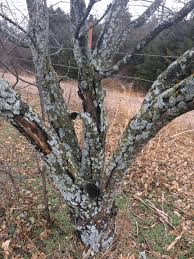
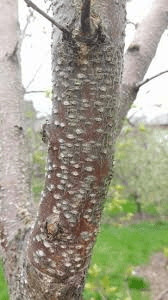
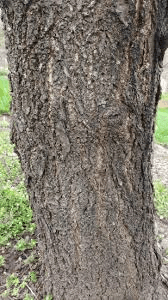
Apricot bark, the outer covering of the apricot tree (Prunus armeniaca), plays a crucial role in protecting the tree and supporting its overall health. The bark is typically rough and textured, with a grayish-brown color. It provides a barrier against physical damage, pests, diseases, and environmental stresses, such as extreme temperatures and moisture loss.
Structurally, apricot bark consists of several layers. The outermost layer, known as the periderm, is made up of cork cells that help prevent water loss and protect against microbial invasion. Beneath this layer lies the phloem, responsible for transporting nutrients and sugars produced through photosynthesis from the leaves to other parts of the tree.
The cambium, a thin layer of actively dividing cells, is situated between the phloem and xylem. This layer is vital for the tree’s growth, as it produces new cells that contribute to the thickening of the trunk and branches. The innermost layer, the xylem, transports water and minerals from the roots to the rest of the tree.
Apricot bark has been utilized in various traditional medicinal practices. It is believed to possess certain therapeutic properties due to its bioactive compounds, including flavonoids, tannins, and phenolic acids.
These compounds have antioxidant, anti-inflammatory, and antimicrobial effects, which can help in treating certain ailments. For example, in some cultures, apricot bark is used in the form of decoctions or poultices to treat skin conditions, wounds, and digestive issues. However, it is essential to use apricot bark with caution and under the guidance of a qualified healthcare professional, as improper use can lead to adverse effects.
In addition to its medicinal uses, apricot bark has practical applications in horticulture and agriculture. The health and condition of the bark can indicate the overall well-being of the tree.
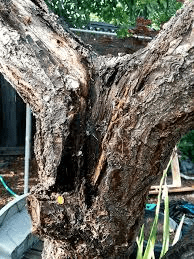
Healthy bark is typically free from cracks, lesions, and pest infestations, while damaged or diseased bark may show signs of cankers, fungal growth, or insect activity. Regular inspection and maintenance of the bark are crucial for preventing and managing tree health issues. For instance, pruning dead or diseased branches and applying appropriate treatments can help maintain the tree’s vitality.
Apricot bark also plays a role in supporting the tree’s structural integrity. As the tree grows, the bark thickens and strengthens, providing a sturdy framework that supports the weight of the branches and fruit. The bark’s ability to expand and contract with changes in temperature and moisture levels helps prevent splitting and cracking, which can otherwise expose the tree to pathogens and pests.
Apricot bark is a vital component of the apricot tree, offering protection and support while contributing to the tree’s overall health and resilience. Its structural features, medicinal properties, and practical applications in tree care highlight the importance of maintaining healthy bark for the well-being of apricot trees. Whether used for traditional remedies or monitored for signs of tree health, apricot bark is an integral part of the apricot tree’s life cycle and functionality.
The Economic Importance and Uses of Apricot Bark
1. Medicinal Use: Apricot bark is used in traditional medicine for its anti-inflammatory properties. For example, it is often included in herbal teas to help reduce inflammation and soothe pain.
2. Nutraceuticals: Apricot bark contains bioactive compounds that are used in nutraceutical products. These compounds can help improve health and prevent diseases when included in supplements.
3. Cosmetic Industry: Apricot bark extract is used in skincare products for its antioxidant properties. It helps in reducing signs of aging and improving skin texture.
4. Food Industry: Apricot bark can be used as a natural flavoring agent in various food products, enhancing the taste and adding health benefits.
5. Animal Feed: Apricot bark can be processed and added to animal feed as a source of fiber and nutrients, promoting better digestion and health in livestock.
6. Bioactive Compounds: The bark contains bioactive compounds like flavonoids and phenolics, which are extracted and used in various health supplements.
7. Herbal Teas: Dried apricot bark is used to make herbal teas that are believed to boost immunity and provide other health benefits.
8. Natural Dye: Apricot bark can be used as a natural dye in the textile industry. Its pigments produce earthy tones that are eco-friendly and non-toxic.
9. Agricultural Mulch: The bark can be shredded and used as mulch in agriculture to retain soil moisture and improve soil health.
10. Crafting Material: Apricot bark can be used in handicrafts and artistic creations, offering a natural and sustainable material for artisans.
11. Pest Repellent: The natural compounds in apricot bark can act as pest repellents, making it useful in organic farming.
12. Essential Oils: Essential oils extracted from apricot bark are used in aromatherapy and perfumery for their pleasant fragrance and therapeutic properties.
13. Firewood: Dried apricot bark can be used as firewood, providing a renewable energy source for heating and cooking.
14. Paper Production: Apricot bark fibers can be processed to produce eco-friendly paper products.
15. Composting: Apricot bark can be added to compost piles, enriching the compost with nutrients and helping in the breakdown of organic matter.
16. Soil Erosion Control: Using apricot bark as mulch helps in controlling soil erosion, especially in hilly areas.
17. Charcoal Production: Apricot bark can be converted into charcoal, which can be used for grilling and other purposes.
18. Livelihood: Harvesting and processing apricot bark can provide income for local communities, supporting sustainable economic development.
Read Also: Blackleg (cruciferous plants): Description, Damages Caused, Control and Preventive Measures
The Products and By-products That Can Be Derived From Apricot Bark
1. Herbal Teas: Herbal teas made from apricot bark are popular for their health benefits, including boosting immunity and reducing inflammation. The bark is dried and steeped in hot water to extract its beneficial compounds.
2. Nutraceutical Supplements: Extracts from apricot bark are used in making supplements that provide various health benefits. The extraction process involves drying, grinding, and using solvents to isolate the active compounds.
3. Skincare Products: Apricot bark extracts are included in lotions, creams, and serums for their antioxidant properties. The extraction process involves soaking the bark in alcohol or oil to obtain the beneficial compounds.
4. Natural Dyes: The pigments in apricot bark are extracted using water or alcohol and used to dye fabrics, producing eco-friendly and non-toxic colors.
5. Animal Feed: Processed apricot bark is added to animal feed to provide fiber and nutrients. The bark is ground into a fine powder and mixed with other feed ingredients.
6. Essential Oils: Essential oils extracted from apricot bark are used in aromatherapy and perfumes. The process involves steam distillation to capture the volatile compounds.
7. Mulch: Shredded apricot bark is used as mulch in gardening and agriculture. It is applied around plants to retain moisture and suppress weeds.
8. Compost: Apricot bark is added to compost piles to enhance nutrient content and help in the decomposition process.
9. Firewood: Dried apricot bark is used as firewood for heating and cooking. It is cut into manageable pieces and dried thoroughly before use.
10. Charcoal: Apricot bark is converted into charcoal through a controlled burning process. The resulting charcoal can be used for grilling and other purposes.
11. Craft Materials: Artisans use apricot bark in making handicrafts and artworks. The bark is carefully peeled and shaped into desired forms.
12. Bioactive Compounds: The bioactive compounds in apricot bark are isolated and used in various health supplements and pharmaceuticals. The process involves solvent extraction and purification.
13. Pest Repellents: Natural compounds in apricot bark are formulated into pest repellents for use in organic farming. The bark is processed and the active ingredients are extracted and concentrated.
14. Paper Products: Apricot bark fibers are used in making eco-friendly paper. The fibers are pulped and processed into paper sheets.
15. Soil Erosion Control: Shredded apricot bark is used to control soil erosion on slopes and hillsides. It is spread over the soil surface to prevent runoff.
16. Compost Enhancer: Apricot bark is used as an additive in compost to improve its quality. The bark is shredded and mixed with other compost materials.
17. Livelihood Products: Local communities can create various products from apricot bark, such as baskets, mats, and other handicrafts, providing a source of income and promoting sustainable use of natural resources.
Read Also: Rose Chafer: Description, Damages Caused, Control and Preventive Measures
Frequently Asked Questions (FAQ’s) About Apricot Bark
1. What are the health benefits of apricot bark?
Apricot bark is known for its anti-inflammatory and antioxidant properties. It is used in traditional medicine to treat various ailments, including pain, inflammation, and digestive issues.
2. Can apricot bark be used in skincare products?
Yes, apricot bark extract is used in skincare products for its antioxidant properties. It helps in reducing signs of aging and improving skin texture by neutralizing free radicals.
3. How is apricot bark used in the food industry?
Apricot bark is used as a natural flavoring agent in food products. It can enhance the taste and provide additional health benefits due to its bioactive compounds.
4. Is apricot bark safe for animals?
Processed apricot bark is safe for animals and is often added to animal feed. It provides fiber and nutrients that promote better digestion and overall health in livestock.
5. What are the uses of apricot bark in agriculture?
Apricot bark is used as mulch to retain soil moisture and improve soil health. It is also used in composting and as a natural pest repellent in organic farming.
6. How is apricot bark processed for essential oils?
Essential oils are extracted from apricot bark through steam distillation. This process captures the volatile compounds that are used in aromatherapy and perfumes.
7. Can apricot bark be used as a natural dye?
Yes, apricot bark contains pigments that can be extracted and used as natural dyes in the textile industry. These dyes are eco-friendly and non-toxic.
8. What are the economic benefits of harvesting apricot bark?
Harvesting and processing apricot bark can provide income for local communities. It supports sustainable economic development by creating job opportunities and promoting the use of natural resources.
9. How does apricot bark contribute to soil erosion control?
Shredded apricot bark is used to control soil erosion on slopes and hillsides. It is spread over the soil surface to prevent runoff and stabilize the soil.
10. What are the bioactive compounds found in apricot bark?
Apricot bark contains bioactive compounds such as flavonoids and phenolics. These compounds are used in health supplements and pharmaceuticals for their beneficial properties.
Read Also: The Ultimate Guide to Unlocking the Potential of Garbage Wastes