


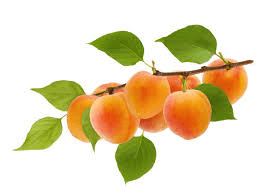
Apricot branches are a vital part of the apricot tree (Prunus armeniaca), serving multiple functions that contribute to the tree’s growth, structure, and productivity. These branches, which grow out from the main trunk and secondary limbs, are essential for supporting the tree’s canopy, bearing leaves, flowers, and fruit, and facilitating the transport of nutrients and water throughout the plant.
Structurally, apricot branches are made up of several layers. The outermost layer is the bark, which protects the branch from physical damage, pests, and diseases. Beneath the bark lies the cambium, a thin layer of actively dividing cells responsible for the branch’s growth in diameter. The xylem, located inward from the cambium, transports water and dissolved minerals from the roots to the leaves. The phloem, located just outside the cambium, transports sugars and other organic nutrients produced by photosynthesis from the leaves to other parts of the tree.
Apricot branches are crucial for the tree’s reproductive process. In spring, they bear buds that develop into flowers. These flowers, when pollinated, turn into the apricot fruits. The branches need to be strong and healthy to support the weight of the growing fruit and to ensure a good harvest. Proper pruning and care of the branches can help optimize fruit production and maintain the overall health of the tree.
Pruning is an essential practice for managing apricot branches. Regular pruning helps remove dead or diseased wood, encourages the growth of new shoots, and improves air circulation and sunlight penetration within the canopy. This practice not only enhances the tree’s aesthetic appearance but also reduces the risk of fungal infections and pest infestations. Proper pruning techniques involve cutting branches at the right angles and positions to promote healthy regrowth and avoid damaging the tree.
In addition to their role in fruit production, apricot branches have various practical and ornamental uses. They can be used in grafting, a horticultural technique where a branch from one tree is attached to the rootstock of another tree to propagate new plants with desirable traits. Apricot branches are also sometimes used in floral arrangements and decorative displays, especially when they are in bloom with their delicate pink or white flowers.
From a health perspective, maintaining the integrity of apricot branches is crucial for the overall well-being of the tree. Branches can be susceptible to various diseases and pests, such as bacterial canker, brown rot, and aphids. Regular monitoring and timely intervention are necessary to address these issues. Applying appropriate treatments, such as fungicides, insecticides, or organic solutions, can help protect the branches and ensure the tree’s longevity.
Moreover, apricot branches contribute to the tree’s ability to withstand environmental stresses. During windy conditions or heavy rain, strong and flexible branches can prevent the tree from breaking or becoming uprooted. The branches’ ability to store nutrients during the dormant season also helps the tree resume growth and fruit production in the spring.
Apricot branches are essential components of the apricot tree, playing a key role in its growth, reproduction, and overall health. Through proper care, including pruning and disease management, these branches can thrive, supporting a productive and healthy apricot tree. Their practical uses in horticulture and decorative applications further underscore their importance and versatility.
The Economic Importance and Uses of Apricot Branches

1. Firewood: Apricot branches can be cut and dried for use as firewood, providing a renewable energy source for heating and cooking.
2. Crafting Material: Artisans use apricot branches in handicrafts, such as making decorative items, furniture, and small wooden tools.
3. Mulch: Shredded apricot branches can be used as mulch in gardening and agriculture to retain soil moisture and suppress weed growth.
4. Animal Fodder: Smaller apricot branches and twigs can be used as fodder for livestock, providing roughage and nutrients.
5. Composting: Apricot branches can be chipped and added to compost piles, enriching the compost with nutrients and aiding in the breakdown of organic matter.
6. Soil Erosion Control: Branches can be used to construct barriers or placed on slopes to prevent soil erosion and improve soil stability.
7. Biomass Energy: Apricot branches can be processed into biomass pellets or briquettes, which are used as a sustainable fuel source.
8. Fencing Material: Thick apricot branches can be used to build natural fences or garden trellises, providing a durable and eco-friendly fencing option.
9. Charcoal Production: Apricot branches can be converted into charcoal, which can be used for grilling, heating, and in various industrial processes.
10. Horticultural Supports: Branches can be used as stakes or supports for climbing plants and vines in gardens and vineyards.
11. Wood Chips: Apricot branches can be chipped and used for landscaping, playground surfaces, or as a decorative ground cover.
12. Livestock Bedding: Chipped branches can be used as bedding material for livestock, providing a comfortable and absorbent surface.
13. Pest Repellents: Some compounds in apricot branches can act as natural pest repellents, useful in organic farming and gardening.
14. DIY Projects: Homeowners can use apricot branches in various DIY projects, such as creating rustic furniture, garden ornaments, or birdhouses.
15. Biodegradable Plant Supports: Apricot branches can be used to create biodegradable plant supports, which decompose over time and enrich the soil.
16. Agroforestry: Apricot branches can be pruned and managed in agroforestry systems, providing benefits such as windbreaks, shade, and additional income sources.
17. Medicinal Use: In some traditional practices, apricot branches are used to make herbal remedies and infusions for various health benefits.
18. Ornamental Uses: Apricot branches can be used in floral arrangements and decorative displays, adding a natural and rustic element to home décor.
Read Also: Exotic Shorthair Cat Breeds Description and Complete Care Guide
The Products and By-products That Can Be Derived From Apricot Branches

1. Firewood: Dried apricot branches are used as firewood for heating and cooking. They are cut into manageable pieces and dried thoroughly before use.
2. Craft Items: Apricot branches are crafted into decorative items, small furniture, and wooden tools. The branches are cut, shaped, and sometimes polished to create these items.
3. Mulch: Shredded apricot branches are used as mulch in gardens. They are spread around plants to retain moisture and suppress weeds.
4. Animal Fodder: Smaller branches and twigs are fed to livestock. The branches are cut into smaller pieces to be easily consumed by animals.
5. Compost: Chipped apricot branches are added to compost piles. They are mixed with other organic materials to enhance nutrient content.
6. Soil Erosion Barriers: Branches are used to construct barriers on slopes. They are placed strategically to prevent soil erosion and stabilize the soil.
7. Biomass Pellets: Apricot branches are processed into biomass pellets. The branches are chipped, dried, and compressed into pellets for use as fuel.
8. Natural Fences: Thick branches are used to build natural fences. The branches are woven or placed upright to create durable fencing.
9. Charcoal: Apricot branches are converted into charcoal through a controlled burning process. The charcoal is used for grilling and industrial purposes.
10. Plant Stakes: Branches are used as stakes for climbing plants. They are cut to appropriate lengths and placed in the ground to support plants.
11. Wood Chips: Apricot branches are chipped for use in landscaping and playgrounds. The wood chips provide a soft, decorative ground cover.
12. Livestock Bedding: Chipped branches are used as bedding for livestock. The chips provide a comfortable and absorbent bedding material.
13. Natural Pest Repellents: Compounds in apricot branches are extracted and formulated into pest repellents. The branches are processed to isolate the active ingredients.
14. Rustic Furniture: DIY enthusiasts use apricot branches to create rustic furniture. The branches are cut, shaped, and assembled into furniture pieces.
15. Biodegradable Supports: Branches are used as plant supports that decompose over time. They are placed in gardens to support plants and eventually enrich the soil.
16. Windbreaks: Apricot branches are used in agroforestry systems to create windbreaks. The branches are pruned and managed to provide protection from wind.
17. Herbal Remedies: Apricot branches are used to make herbal remedies. The branches are dried and processed to extract beneficial compounds.
Read Also: Tonkinese Cat Breed (Felis catus) Description and Complete Care Guide
Frequently Asked Questions (FAQ’s) About Apricot Branches

1. What are the uses of apricot branches in gardening?
Apricot branches are used as mulch, plant stakes, and soil erosion barriers in gardening. They help retain moisture, support plants, and stabilize soil.
2. Can apricot branches be used as firewood?
Yes, dried apricot branches are used as firewood for heating and cooking. They are a renewable energy source and burn efficiently.
3. How are apricot branches used in crafts?
Artisans use apricot branches to create decorative items, furniture, and small wooden tools. The branches are cut, shaped, and sometimes polished for these projects.
4. Are apricot branches safe for animals?
Yes, smaller apricot branches and twigs can be used as fodder for livestock. They provide roughage and nutrients beneficial for animal health.
5. What are the benefits of using apricot branches as mulch?
Shredded apricot branches used as mulch help retain soil moisture, suppress weeds, and improve soil health by adding organic matter.
6. How do apricot branches help in soil erosion control?
Branches are used to construct barriers on slopes to prevent soil erosion. They stabilize the soil and reduce runoff, protecting the land from erosion.
7. Can apricot branches be converted into charcoal?
Yes, apricot branches can be converted into charcoal through a controlled burning process. The charcoal is used for grilling, heating, and industrial purposes.
8. What is the role of apricot branches in agroforestry?
In agroforestry, apricot branches are pruned and managed to provide windbreaks, shade, and additional income sources through products like firewood and craft materials.
9. Are apricot branches used in composting?
Yes, chipped apricot branches are added to compost piles. They enrich the compost with nutrients and aid in the decomposition process.
10. How can apricot branches be used in DIY projects?
Homeowners use apricot branches in various DIY projects, such as creating rustic furniture, garden ornaments, and birdhouses. The branches are cut, shaped, and assembled into different items.
Read Also: Hydroponics Guide 101: All You Need to Know About it