



Chromolaena odorata tea, derived from the leaves of the Chromolaena odorata plant (commonly known as Siam weed or bitter bush), is a herbal infusion recognized in traditional medicine across tropical regions for its potential health benefits. Native to the Americas but widespread globally, this perennial herb is rich in phytochemicals like flavonoids, phenolic compounds, terpenes, and other bioactive elements that contribute to its reported medicinal properties.
While traditionally used for various ailments, scientific studies support several effects, particularly in wound healing, anti-inflammatory activity, antimicrobial action, and antioxidant protection.
1. Chromolaena odorata plant: Lush green leaves of Chromolaena odorata (Siam weed), the source of the herbal tea with traditional medicinal uses.
Scientific Evidence and Case Studies on Health Benefits of Chromolaena odorata Tea
1. Wound healing properties: Extracts accelerate wound closure, promote tissue regeneration, and reduce bleeding time in models, with hemostatic and regenerative effects observed.
2. Anti-inflammatory effects: Compounds like flavonoids and polyphenols inhibit inflammatory mediators, reducing swelling and pain in conditions such as edema or arthritis models.
3. Antimicrobial activity: Leaf extracts inhibit bacteria, fungi, and some pathogens, supporting traditional use against infections and in wound care.
4. Antioxidant activity: High phenolic and flavonoid content neutralizes free radicals, reducing oxidative stress and protecting cells in various assays.
5. Antidiabetic potential: Studies show regulation of glucose metabolism, improved insulin sensitivity, and reduced postprandial blood sugar in experimental models.
Read Also: Comprehensive Guide to Pig Farming Business for Profits
Nutritional Profile and Antioxidant Benefits of Chromolaena odorata Tea
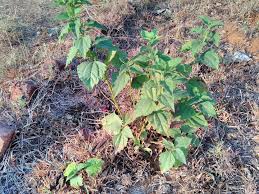
Chromolaena odorata leaves provide vitamins A and C for immune support, vision, and skin health; minerals including calcium for bones, iron for blood, and potassium for fluid balance; plus dietary fiber for digestion and stable blood sugar.
Low in calories, it suits weight management diets.
The tea’s antioxidants, such as flavonoids and phenolics, combat free radicals, reduce oxidative stress, lower chronic disease risks (e.g., heart disease, diabetes), support skin health by fighting aging signs, protect cells, and may aid stress reduction through anti-inflammatory pathways.
2. Chromolaena odorata tea preparation: Herbal infusion of Chromolaena odorata leaves, highlighting its use as an antioxidant-rich beverage.
Anti-inflammatory and Immune-Boosting Benefits of Chromolaena odorata Tea
Anti-inflammatory flavonoids and polyphenols help reduce inflammation, offering relief for arthritis, joint pain, and respiratory issues like asthma or bronchitis by easing airway swelling.
It supports immune function via vitamins, antioxidants, and potential antiviral properties, enhancing defense against infections and promoting overall wellness through traditional and emerging evidence.
Wound Healing and Antimicrobial Benefits of Chromolaena odorata
Traditionally applied for wounds, burns, and skin issues, the plant’s extracts show strong antimicrobial effects to prevent infections, anti-inflammatory action to reduce swelling/pain, and acceleration of healing via tissue regeneration and nutrient support.
Studies confirm faster closure and hemostatic benefits in models.
3. Chromolaena odorata for wound care: Illustration related to the wound healing and antimicrobial properties of Chromolaena odorata in traditional and scientific contexts.
Read Also: Types of Pig Feeds and When to Feed Eac
Digestive, Detox, and Other Health Benefits of Chromolaena odorata Tea
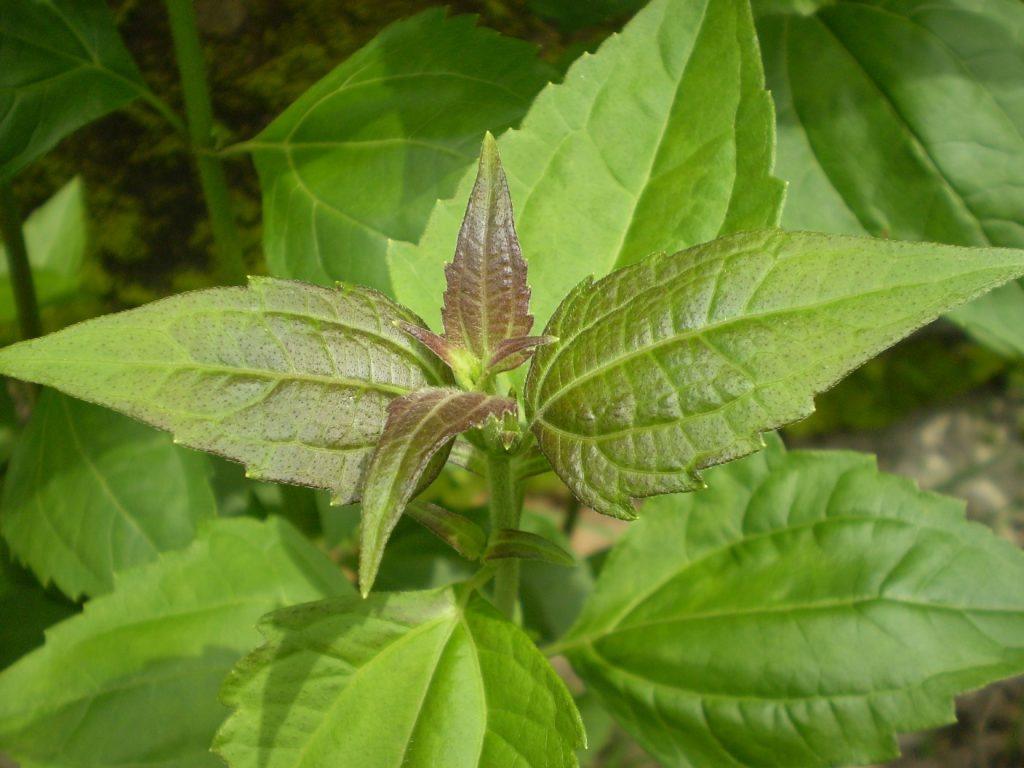
Fiber aids digestion, prevents constipation, and supports gut health; anti-inflammatory and antimicrobial effects soothe GI discomfort, balance microbiome, and aid detoxification.
It may support liver protection, toxin elimination via diuretic action, and blood sugar regulation through antidiabetic compounds.
Additional benefits include respiratory relief (expectorant for cough/mucus), skin nourishment (antioxidant protection, soothing irritations), and potential weight support via metabolism enhancement.
4. Siam weed plant habitat: Chromolaena odorata growing naturally, showcasing its invasive yet medicinally valued characteristics in tropical areas.
Summary of Benefits of Chromolaena odorata Tea

| Aspect | Description |
|---|---|
| Introduction | Chromolaena odorata (Siam weed) tea from leaves offers traditional benefits via phytochemicals like flavonoids and phenolics for inflammation, infections, and wellness. |
| Nutritional Profile | Vitamins A/C, minerals (calcium, iron, potassium), fiber, low calories; supports immunity, bones, digestion, and weight management. |
| Antioxidant Benefits | Neutralizes free radicals, reduces oxidative stress, lowers chronic disease risk, improves skin health, and aids cellular protection. |
| Anti-inflammatory | Reduces swelling/pain in arthritis, joints, airways; supports respiratory and overall health. |
| Immune & Antimicrobial | Boosts defenses, fights bacteria/fungi/viruses, prevents infections, and enhances wellness. |
| Wound Healing | Accelerates closure, hemostatic effects, antimicrobial protection, reduces inflammation for faster recovery. |
| Digestive & Detox | Fiber aids gut motility/constipation relief; soothes GI issues, supports liver/kidney detox, balances microbiome. |
| Other Benefits | Potential blood sugar regulation, respiratory relief (cough/mucus), skin soothing, weight support; traditional spiritual uses for cleansing/renewal. |
Frequently Asked Questions on Benefits of Chromolaena odorata Tea
1. What are the main health benefits of Chromolaena odorata tea?
It offers anti-inflammatory relief, antimicrobial protection against infections, antioxidant support to combat oxidative stress, wound healing acceleration, digestive aid, immune boosting, and potential blood sugar regulation.
2. How does Chromolaena odorata tea support wound healing?
Its antimicrobial properties prevent infections, anti-inflammatory effects reduce swelling/pain, and bioactive compounds promote tissue regeneration and faster closure, as shown in traditional and experimental studies.
3. Is Chromolaena odorata tea good for reducing inflammation?
Yes, flavonoids and polyphenols inhibit inflammatory mediators, providing relief for arthritis, joint pain, respiratory inflammation (e.g., asthma/bronchitis), and general swelling.
4. Can Chromolaena odorata tea boost the immune system?
Vitamins, antioxidants, and potential antiviral/antimicrobial compounds enhance immune function, protect against illnesses, and support overall defense mechanisms.
5. Does Chromolaena odorata tea help with digestive health?
Fiber promotes regularity and prevents constipation; anti-inflammatory/antimicrobial effects soothe gut discomfort, balance microbiome, and aid detoxification.
6. What antioxidant benefits does Chromolaena odorata tea provide?
Rich in phenolics and flavonoids, it neutralizes free radicals, reduces cellular damage, lowers chronic disease risks, improves skin health, and may slow aging signs.
7. Can Chromolaena odorata tea aid in blood sugar management?
Studies suggest antidiabetic properties that improve insulin sensitivity, regulate glucose metabolism, and reduce post-meal spikes, supporting traditional use for diabetes.
8. How does Chromolaena odorata tea benefit respiratory health?
Antimicrobial and anti-inflammatory actions combat infections, reduce airway inflammation, act as an expectorant to clear mucus, and relieve coughs or irritation.
9. Is Chromolaena odorata tea safe for skin health?
Antioxidants protect from damage, anti-inflammatory effects soothe irritations (rashes, eczema, acne), and wound-healing properties aid recovery when used topically or ingested.
10. Are there any precautions when consuming Chromolaena odorata tea?
Use in moderation; consult a healthcare provider, especially if pregnant, breastfeeding, or with conditions, as high doses or improper use may have side effects, and it’s traditionally prepared carefully.
Do you have any questions, suggestions, or contributions? If so, please feel free to use the comment box below to share your thoughts. We also encourage you to kindly share this information with others who might benefit from it. Since we can’t reach everyone at once, we truly appreciate your help in spreading the word. Thank you very much for your support and for sharing!
Disclaimer: This article is for educational and informational purposes only. The health benefits described are based on scientific research and traditional knowledge. They ayre not a substitute for professional medical advice, diagnosis, or treatment. Always consult a healthcare professional before using any herb or natural remedy for medical purposes.
Read Also: What is some advantages of solar energy?