


Cabbage flowers are an intriguing aspect of the cabbage plant’s life cycle, although they are not typically the primary focus when cultivating cabbage for consumption.
Cabbage, scientifically known as Brassica oleracea, belongs to the Cruciferae family and produces small, yellow flowers arranged in clusters atop tall stalks. These flowers may not be as showy as those of other plants, but they play a vital role in the cabbage plant’s reproductive process.
The appearance of cabbage flowers can vary depending on the specific variety or cultivar. Generally, cabbage flowers are small and have four petals arranged in a cross shape, characteristic of plants in the Cruciferae family. The flowers typically emerge from the center of the cabbage plant, surrounded by the dense foliage of its leaves.
While cabbage flowers may not be particularly striking in appearance, they are essential for the plant’s reproduction. Cabbage is a biennial plant, meaning it has a two-year life cycle.
In the first year, cabbage plants focus on vegetative growth, producing the familiar large leaves that form the edible heads. In the second year, when conditions are favorable, cabbage plants bolt, meaning they send up a tall stalk bearing flowers.
Cabbage flowers are primarily pollinated by insects, particularly bees and butterflies, attracted by the flowers’ nectar and fragrance. Once pollinated, the flowers develop into seed pods containing cabbage seeds. These seeds can be collected and saved for future planting, allowing growers to propagate cabbage plants from one season to the next.
However, in commercial cabbage cultivation, growers often prevent the plants from bolting and flowering, as the formation of flowers signals the end of the cabbage’s edible phase. Instead, cabbage is typically harvested before it has a chance to bolt, ensuring that the plant’s energy goes into producing the large, tender leaves that are harvested for consumption.
In conclusion, while cabbage flowers may not be the main attraction when growing cabbage for food, they are nonetheless an essential part of the plant’s life cycle. Understanding the role of cabbage flowers in reproduction can provide valuable insights for those interested in the biology of this versatile vegetable.
The Economic Importance and Uses of Cabbage Flowers
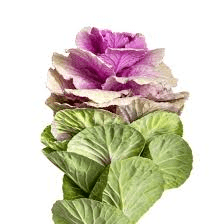
1. Culinary Delicacy: Cabbage flowers, also known as cabbage blooms or cabbage blossoms, are prized as a culinary delicacy in many cuisines. They can be used in both fresh and cooked dishes to add flavor, texture, and visual appeal.
2. Specialty Food Products: Cabbage flowers are used to create specialty food products such as pickles, preserves, and fermented foods. These products are often considered gourmet and command premium prices in the market.
3. Garnish and Decoration: Cabbage flowers are valued for their ornamental qualities and are often used as a garnish or decoration for salads, appetizers, main dishes, and desserts, enhancing the presentation of the dish.
4. Floral Industry: Cabbage flowers are sought after by the floral industry for use in floral arrangements, bouquets, and centerpieces for weddings, parties, and special events, contributing to the floriculture trade.
5. Agricultural Tourism: Cabbage farms that offer tours and experiences for visitors to pick their own cabbage flowers or participate in flower-themed activities attract tourists and generate revenue for the local economy.
6. Food Festivals: Food festivals featuring cabbage flowers as a star ingredient or theme draw food enthusiasts, chefs, and vendors from around the world, stimulating tourism and promoting local cuisine.
7. Value-added Products: Cabbage flowers are used to create value-added products such as infused oils, vinegars, and sauces, which are sold in specialty stores, farmers’ markets, and gourmet food shops.
8. Culinary Innovation: Chefs and food artisans experiment with cabbage flowers in innovative ways, developing new recipes, flavor combinations, and cooking techniques to showcase the versatility and potential of this edible flower.
9. Culinary Education: Cabbage flowers serve as educational tools in culinary schools and workshops, where students learn about edible flowers, their flavor profiles, and culinary applications, expanding their culinary knowledge and skills.
10. Health and Wellness: Cabbage flowers are valued for their potential health benefits, as they are rich in vitamins, minerals, and antioxidants. They are incorporated into health-conscious diets and wellness programs to promote overall well-being.
11. Agritourism: Cabbage farms that offer agritourism activities centered around cabbage flowers, such as flower picking, flower arranging workshops, and flower-themed events, attract visitors and generate additional income for the farm.
12. Local Cuisine Promotion: Cabbage flowers feature prominently in local cuisine promotion efforts, where they are highlighted in food trails, culinary events, and marketing campaigns to showcase regional culinary traditions and ingredients.
13. Export Market: Cabbage flowers are exported to international markets where there is demand for specialty produce and exotic ingredients, contributing to agricultural exports and trade revenue.
14. Artisanal Food Production: Cabbage flowers are used by artisanal food producers to create handmade, small-batch products such as jams, jellies, chutneys, and syrups, which appeal to discerning consumers seeking unique and high-quality foods.
15. Culinary Tourism: Regions known for their cabbage flower production and culinary heritage attract culinary tourists interested in experiencing local dishes, food festivals, and farm-to-table dining experiences featuring cabbage flowers.
16. Environmental Sustainability: Cabbage flowers contribute to environmental sustainability efforts by promoting biodiversity, supporting pollinators such as bees and butterflies, and fostering healthy ecosystems on cabbage farms and in surrounding areas.
17. Cultural Preservation: Cabbage flowers play a role in cultural preservation efforts, as they are featured in traditional dishes, culinary practices, and cultural celebrations that celebrate local foodways and culinary heritage.
18. Community Engagement: Cabbage farms that involve the community in cabbage flower-related activities, such as harvest festivals, cooking classes, and farm-to-table dinners, foster a sense of community pride and engagement while supporting local agriculture.
Read Also: Honey Bees in Winter
The Products and By-products That Can Be Derived From Cabbage Flowers
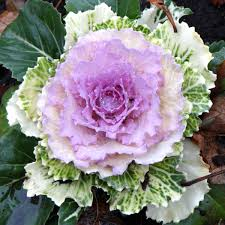
1. Cabbage Flower Pickles: Cabbage flowers can be pickled in vinegar, spices, and herbs to create tangy and flavorful pickles that can be enjoyed as a snack, condiment, or accompaniment to sandwiches and charcuterie boards.
2. Cabbage Flower Preserves: Cabbage flowers can be preserved in sugar syrup or honey to make sweet and fragrant preserves that can be spread on toast, paired with cheese, or used as a topping for desserts.
3. Cabbage Flower Infused Oil: Cabbage flowers can be infused into olive oil, grapeseed oil, or other cooking oils to impart their delicate flavor and aroma, which can be used for cooking, salad dressings, or drizzling over roasted vegetables.
4. Cabbage Flower Vinegar: Cabbage flowers can be steeped in vinegar to create floral-infused vinegar, which adds a subtle floral note to dressings, marinades, sauces, and pickles.
5. Cabbage Flower Syrup: Cabbage flowers can be simmered with sugar and water to make a fragrant and floral syrup that can be used to sweeten beverages, desserts, and cocktails.
6. Cabbage Flower Jelly: Cabbage flowers can be cooked with sugar and pectin to make a translucent and jewel-toned jelly that can be spread on toast, paired with cheese, or used as a glaze for meats and poultry.
7. Cabbage Flower Tea: Cabbage flowers can be dried and brewed into a delicate and floral tea that can be enjoyed hot or cold, alone or blended with other herbs and flowers for added flavor and complexity.
8. Cabbage Flower Salad: Cabbage flowers can be used fresh as a colorful and crunchy addition to salads, providing a burst of flavor and texture that complements other salad ingredients.
9. Cabbage Flower Soup: Cabbage flowers can be cooked in broth or stock to make a fragrant and flavorful soup that can be enjoyed as a light appetizer or a comforting meal, especially when paired with fresh herbs and vegetables.
10. Cabbage Flower Stir-fry: Cabbage flowers can be stir-fried with vegetables, tofu, or meat in a hot wok with flavorful sauces and seasonings to create a quick and delicious stir-fry dish that is perfect for weeknight dinners.
11. Cabbage Flower Tempura: Cabbage flowers can be dipped in a light batter and deep-fried until crispy to make tempura, a popular Japanese dish that can be served as an appetizer or a side dish with dipping sauce.
12. Cabbage Flower Omelette: Cabbage flowers can be folded into beaten eggs and cooked until set to make a fluffy and flavorful omelette that can be enjoyed for breakfast, brunch, or any meal of the day.
13. Cabbage Flower Quiche: Cabbage flowers can be baked into a savory custard filling with cheese, cream, and eggs in a pastry crust to make a delicious and satisfying quiche that is perfect for brunch or a light dinner.
14. Cabbage Flower Pizza Topping: Cabbage flowers can be thinly sliced and used as a colorful and nutritious topping for pizzas, adding a fresh and floral element to the savory and cheesy pie.
15. Cabbage Flower Pasta: Cabbage flowers can be tossed with cooked pasta, olive oil, garlic, and Parmesan cheese to make a simple yet flavorful pasta dish that celebrates the delicate flavor and texture of the flowers.
16. Cabbage Flower Risotto: Cabbage flowers can be stirred into creamy ris
otto along with Arborio rice, broth, wine, and cheese to make a rich and satisfying dish that is perfect for special occasions or a cozy night in.
17. Cabbage Flower Tart: Cabbage flowers can be arranged on a buttery pastry crust with cheese, herbs, and spices to make a savory tart that can be served as an appetizer, snack, or light meal.
Read Also: Are Honey Bees Aggressive?
Frequently Asked Questions (FAQ’s) About Cabbage Flowers
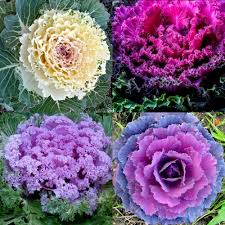
1. Are cabbage flowers edible?
Yes, cabbage flowers are edible and can be consumed fresh or cooked in various culinary dishes for their flavor, texture, and visual appeal.
2. Do cabbage flowers taste like cabbage?
Cabbage flowers have a mild and slightly sweet flavor with floral notes, which may differ slightly from the taste of cabbage leaves.
3. How do you prepare cabbage flowers for cooking?
To prepare cabbage flowers for cooking, remove any tough outer petals, rinse them under cold water, and trim the stems as needed. They can then be used whole or chopped according to the recipe.
4. Can you eat cabbage flowers raw?
Yes, cabbage flowers can be eaten raw and are often used as a garnish or salad ingredient for their crunchy texture and delicate flavor.
5. How do you store cabbage flowers?
Cabbage flowers should be stored in the refrigerator in a plastic bag or container with a damp paper towel to keep them fresh. They are best used within a few days of harvesting or purchasing.
6. Can you freeze cabbage flowers?
Cabbage flowers can be blanched briefly in boiling water, then cooled and frozen for long-term storage. They should be blanched for 1-2 minutes, then immediately submerged in ice water to stop the cooking process before freezing.
7. Are cabbage flowers nutritious?
Yes, cabbage flowers are nutritious and contain vitamins, minerals, and antioxidants, including vitamin C, vitamin K, and dietary fiber, which contribute to overall health and well-being.
8. Are cabbage flowers safe to eat?
Yes, cabbage flowers are safe to eat and are commonly consumed in culinary dishes around the world. However, it is important to source them from reputable sources and ensure they are free from pesticides and contaminants.
9. Can you cook cabbage flowers?
Yes, cabbage flowers can be cooked in various ways, including steaming, boiling, sautéing, stir-frying, and baking, depending on the desired dish and cooking method.
10. What dishes can you make with cabbage flowers?
Cabbage flowers can be used in a wide range of culinary dishes, including salads, soups, stir-fries, pasta dishes, quiches, tarts, pizzas, and more, offering versatility and creativity in the kitchen.
Read Also: Cost of Starting a Waste Management Business