


The cabbage pistil is a fundamental part of the female reproductive system in cabbage plants (Brassica oleracea var. capitata), serving as the site where fertilization occurs and seeds are formed. Comprising several distinct structures, the pistil plays a crucial role in the process of pollination, pollen tube growth, and ovule fertilization, ultimately leading to seed production and the continuation of the cabbage species.
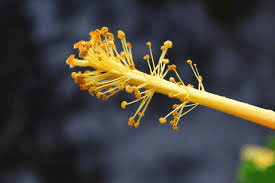
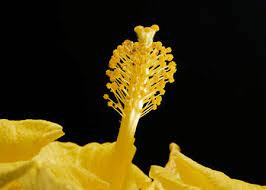
The cabbage pistil is composed of three main parts: the stigma, style, and ovary. The stigma is the receptive surface at the top of the pistil, where pollen grains land and germinate during pollination. It is often sticky or moist, allowing it to capture and retain pollen grains that come into contact with it.
The style is the elongated structure that connects the stigma to the ovary, providing a pathway for pollen tube growth. Finally, the ovary is the swollen base of the pistil that contains the ovules, the female reproductive cells.
The primary function of the cabbage pistil is to facilitate the transfer of pollen from the male reproductive organs (anthers) to the female reproductive organs (ovules) of the flower.
When pollen grains land on the stigma, they adhere to the surface and germinate, forming pollen tubes. These pollen tubes grow down through the style and into the ovary, where they deliver the male gametes (sperm cells) to the ovules.
Once fertilized, the ovules develop into seeds within the ovary. The ovary undergoes changes in size, shape, and texture as the seeds mature, eventually becoming the fruit of the cabbage plant. In some cabbage varieties, the ovary swells and forms a fleshy structure known as a siliqua, which contains the mature seeds.
The structure and function of the cabbage pistil may vary depending on the variety of cabbage and environmental factors. Some cabbage cultivars may have pistils with different shapes, sizes, or colors, which may influence their attractiveness to pollinators and the efficiency of pollination.
Understanding the structure and function of the cabbage pistil is essential for plant breeders and agricultural scientists involved in cabbage cultivation and breeding programs. By studying the characteristics of the pistil, researchers can gain insights into the reproductive biology of cabbage plants and develop strategies to enhance seed production and overall crop yield.
The cabbage pistil is a vital structure that plays a crucial role in the reproduction of cabbage plants. Through its function as the site of pollination, pollen tube growth, and ovule fertilization, the pistil ensures the production of healthy and viable seeds that are essential for the propagation and continuation of the cabbage species.
The Economic Importance and Uses of Cabbage Pistil
1. Seed Production: The cabbage pistil plays a vital role in seed production, as it contains the ovary where ovules are fertilized and develop into seeds. The production of cabbage seeds is essential for ensuring the availability of planting material for farmers and growers.
2. Agricultural Sustainability: Cabbage pistils contribute to agricultural sustainability by supporting natural pollination and seed development in cabbage crops. Healthy pistils ensure the production of viable seeds for future planting, reducing reliance on external seed sources.
3. Crop Diversity: Cabbage pistils contribute to crop diversity by offering genetic variation through seed production. Different cabbage varieties have distinct pistil characteristics, leading to diverse traits such as disease resistance, yield, and adaptability to different growing conditions.
4. Seed Industry: The quality and viability of cabbage pistils are critical for the seed industry, which relies on them to produce high-quality cabbage seeds. Seed companies harvest, process, and distribute cabbage seeds derived from fertilized pistils to farmers and growers worldwide.
5. Horticultural Research: Cabbage pistils provide valuable research material for horticultural studies focused on cabbage plant reproduction, pollination biology, and seed development. Researchers study pistil morphology, physiology, and fertilization processes to improve cabbage breeding programs.
6. Culinary Traditions: While not directly consumed in culinary applications, cabbage pistils indirectly contribute to culinary traditions through seed production. Cabbage seeds harvested from fertilized pistils are used to grow cabbage plants, yielding fresh cabbage heads for culinary use in various dishes.
7. Medicinal Uses: In herbal medicine, cabbage pistils may be used in traditional remedies or preparations for their potential health benefits. While not as commonly utilized as other parts of the cabbage plant, pistil extracts may contain bioactive compounds with medicinal properties.
8. Livestock Forage: While not a primary source of forage, cabbage pistils may be consumed by grazing animals along with other parts of the cabbage plant. In agricultural settings, cabbage residues left in fields after harvest can serve as fodder for livestock.
9. Soil Improvement: Decomposing cabbage pistils contribute organic matter to the soil, improving soil structure, fertility, and microbial activity. They enhance soil health and nutrient cycling, promoting healthy plant growth in agricultural and horticultural settings.
10. Culinary Exploration: Cabbage pistils inspire culinary exploration indirectly through their role in seed production. Growers and culinary enthusiasts experiment with different cabbage varieties grown from seeds produced by fertilized pistils, leading to culinary diversity and innovation.
11. Seed Saving Tradition: Cabbage pistils are integral to seed saving traditions practiced by farmers, gardeners, and seed enthusiasts. By allowing cabbage plants to naturally pollinate and develop seeds, individuals preserve heirloom cabbage varieties and maintain seed sovereignty.
12. Agroforestry Systems: In agroforestry systems, cabbage pistils contribute to soil fertility and ecosystem health when cabbage plants are integrated into diverse cropping systems. Agroforestry practices enhance ecological resilience and sustainable food production.
13. Botanical Education: Cabbage pistils serve as educational material in botanical studies and plant science courses focused on plant reproduction and sexual development. Students learn about pistil morphology, function, and fertilization processes in cabbage plants.
14. Seed Exchange Networks: Cabbage pistils foster seed exchange networks among farmers, gardeners, and seed savers interested in preserving cabbage diversity. Through seed swaps and sharing, individuals access a wide range of cabbage varieties adapted to different climates and growing conditions.
15. Culinary Preservation: While not directly involved in culinary preservation, cabbage pistils indirectly contribute to food preservation by ensuring the availability of cabbage seeds for future planting. Preserving diverse cabbage varieties helps maintain culinary traditions and culinary heritage.
16. Home Gardening: Cabbage pistils are relevant to home gardeners interested in growing cabbage plants from seeds. By understanding cabbage plant reproduction and pollination, gardeners can maximize seed production and harvest quality cabbage seeds for planting in home gardens.
17. Culinary Tradition: Although not a direct culinary component, cabbage pistils indirectly support culinary traditions by enabling seed production for cabbage cultivation. Cabbage seeds harvested from fertilized pistils are used to grow cabbage plants for culinary use in various cuisines.
Read Also: Where Do Honey Bees Nest
The Products and By-products That Can Be Derived From Cabbage Pistil
1. Cabbage Seeds: The primary product derived from cabbage pistils is cabbage seeds, which develop after successful fertilization of ovules within the ovary. These seeds serve as the starting point for growing new cabbage plants in agricultural, horticultural, and home garden settings.
2. Seed Pods: Fertilized cabbage pistils develop into seed pods containing cabbage seeds. These seed pods are harvested, processed, and sold by seed companies for use in seed production and agriculture.
3. Culinary Ingredients: While not directly consumed, cabbage seeds derived from fertilized pistils are used as culinary ingredients indirectly by growing cabbage plants for culinary use in various dishes.
4. Herbal Remedies: In herbal medicine, cabbage seeds or extracts derived from fertilized pistils may be used in traditional remedies or preparations for potential health benefits. Research on their medicinal properties is ongoing.
5. Livestock Forage: Cabbage seeds or residues derived from fertilized pistils may be consumed by grazing animals along with other parts of the cabbage plant. They provide supplemental forage in agricultural settings.
6. Soil Amendment: Decomposing cabbage seeds or residues contribute organic matter to the soil, enhancing soil fertility, structure, and microbial activity. They improve soil health and support healthy plant growth in agricultural and horticultural systems.
7. Compost Material: Cabbage seeds or residues can be composted to create nutrient-rich compost for gardens and landscapes. Composted material contributes organic matter, beneficial microorganisms, and essential nutrients to the soil, promoting soil health and fertility.
8. Biodegradable Packaging: While not directly derived from cabbage pistils, biodegradable packaging materials may be produced from plant-based sources, including cabbage residues. These eco-friendly alternatives to traditional plastics offer sustainable packaging solutions for various industries.
9. Botanical Education Materials: Cabbage pistils serve as educational material in botanical studies and plant science courses focused on plant reproduction and sexual development. They provide valuable learning opportunities for students interested in plant biology.
10. Seed Saving Tradition: Cabbage pistils are integral to seed saving traditions practiced by farmers, gardeners, and seed enthusiasts. By allowing cabbage plants to naturally pollinate and develop seeds, individuals preserve heirloom cabbage varieties and maintain seed diversity.
Read Also: How To Get Rid of Honey Bees Without Killing Them
Frequently Asked Questions (FAQs) About Cabbage Pistil
1. What is a cabbage pistil?
A cabbage pistil is the female reproductive organ in cabbage plants, consisting of the stigma, style, and ovary. The pistil receives pollen grains during pollination and contains the ovules that develop into seeds after fertilization.
2. What role does the cabbage pistil play in seed production?
The cabbage pistil plays a crucial role in seed production by receiving pollen grains, facilitating fertilization, and containing the ovules where seeds develop. It provides the necessary environment for seed development and maturation.
3. How are cabbage seeds harvested from the pistil?
Cabbage seeds are harvested from the pistil after fertilization and seed development. Mature seeds are extracted from the ovary within the pistil and processed for storage, sale, or planting in agricultural, horticultural, and home garden settings.
4. Can cabbage pistils be used in culinary applications?
No, cabbage pistils are not typically used in culinary applications. Their primary function is in seed production rather than culinary use.
5. Are there any health benefits associated with cabbage pistils?
While cabbage pistils themselves are not consumed for their health benefits, cabbage seeds derived from fertilized pistils are used to grow cabbage plants rich in nutrients and phytochemicals beneficial for human health.
6. How do cabbage pistils contribute to agricultural sustainability?
Cabbage pistils contribute to agricultural sustainability by supporting natural pollination and seed production in cabbage crops. Healthy pistils ensure the production of viable seeds for future planting, reducing dependence on external seed sources.
7. Can cabbage pistils be preserved or stored for future use?
Cabbage pistils themselves are not typically preserved or stored for future use. Once fertilization occurs, pistils develop into seed pods containing mature seeds, which can be harvested and stored for future planting.
8. Are cabbage pistils genetically modified in agriculture?
Cabbage pistils may be subject to genetic modification in agricultural research aimed at improving crop yield, quality, and resilience. However, the use of genetically modified cabbage varieties may vary depending on regulatory approval and consumer acceptance.
9. What environmental factors affect cabbage pistil development?
Environmental factors such as temperature, humidity, light exposure, and soil conditions can influence cabbage pistil development and seed production. Optimal growing conditions promote healthy pistil development and seed yield in cabbage crops.
10. Can cabbage pistils be used for seed saving?
Yes, cabbage pistils are used for seed saving by allowing cabbage plants to naturally pollinate and develop seeds. Seed savers harvest mature seeds from fertilized pistils for storage and future planting, preserving heirloom cabbage varieties and maintaining seed diversity.
Read Also: The Impact of Waste to Art Business