


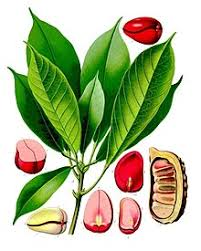
The Kola embryo in a kola nut is a crucial component of the seed and plays a central role in the plant’s reproductive process. Found within the seed of the kola nut tree (Cola genus), the embryo is the young plant that will develop into a mature kola tree.
The embryo is situated within the seed’s endosperm, a tissue that provides nourishment to the developing plant. It is composed of several key parts:
1. Radicle: This is the embryonic root that will grow downward into the soil when the seed germinates. The radicle anchors the plant and absorbs water and nutrients.
2. Hypocotyl: The hypocotyl is the stem-like portion of the embryo that will eventually elongate to form the stem of the young plant. It connects the radicle to the cotyledons and is essential for the initial growth of the seedling.
3. Cotyledons: These are the seed leaves that provide initial nourishment to the embryo. In kola seeds, the cotyledons are thick and fleshy, storing nutrients that support the embryo until it can produce its own leaves and begin photosynthesis.
4. Epicotyl: The epicotyl is the part of the embryo above the cotyledons that will develop into the true leaves of the plant. It is responsible for the production of leaves and the continuation of the plant’s growth.
During germination, the embryo absorbs water and swells, causing the seed coat to crack. The radicle emerges first, followed by the hypocotyl, which pushes the cotyledons upwards. As the seedling grows, the cotyledons eventually fall off, and the true leaves begin to develop.
The health and viability of the embryo are crucial for successful seed germination and plant development. Factors such as seed maturity, storage conditions, and environmental factors during germination can impact the embryo’s ability to develop into a healthy plant.
Understanding the role and structure of the kola embryo helps in appreciating the process of seed germination and the early stages of plant growth. Proper care and optimal conditions support the embryo’s development, leading to a healthy kola tree that can produce nuts for future generations.
The Economic Importance and Uses of Cola/Kola Embryos
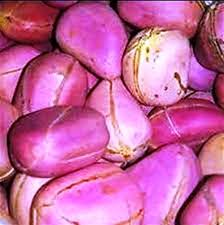
1. Plant Propagation: Cola embryos are crucial for plant propagation as they develop into new plants when seeds germinate.
2. Seed Quality: The health and viability of cola embryos directly affect seed quality and germination rates, impacting overall crop production.
3. Botanical Research: Studying cola embryos helps scientists understand seed development, plant growth, and breeding processes.
4. Crop Improvement: Knowledge of cola embryos aids in breeding programs to develop improved cola tree varieties with better yields and resilience.
5. Educational Purposes: Cola embryos are used in educational settings to teach about plant development, seed biology, and reproductive processes.
6. Nutritional Studies: Cola embryos are studied for their nutritional content, contributing to research on their potential health benefits.
7. Traditional Medicine: In some cultures, cola embryos are used in traditional medicine for their potential therapeutic properties.
8. Germplasm Conservation: Preserving cola embryos is vital for conserving genetic diversity and ensuring the future availability of cola tree varieties.
9. Commercial Seed Production: High-quality cola embryos contribute to the production of commercial seeds for planting and cultivation.
10. Biodiversity Support: Cola embryos play a role in maintaining the genetic diversity and sustainability of cola tree populations.
11. Horticultural Practices: Understanding embryos helps in improving germination techniques and optimizing cultivation practices.
12. Research and Development: Cola embryos are used in research to develop new plant varieties and improve agricultural practices.
13. Traditional Practices: Cola embryos may have specific uses in traditional cultural practices and ceremonies.
14. Economic Value: The quality and yield of cola embryos affect the economic value of cola crops and related industries.
15. Agricultural Innovation: Research on cola embryos contributes to innovations in agriculture, such as developing new planting techniques and improving crop yields.
16. Seed Banking: Cola embryos are preserved in seed banks to safeguard against genetic erosion and support future research.
17. Environmental Impact: By studying and preserving cola embryos, we support sustainable agriculture and environmental conservation.
18. Pharmaceutical Research: Cola embryos may be explored for potential pharmaceutical applications due to their biochemical properties.
Read Also: Factors that Determine the Amount of Wind Erosion
The Products and By-products That Can Be Derived From Cola/Kola Embryos
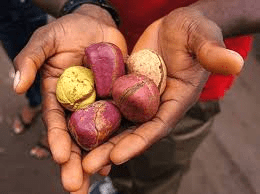
1. New Plants: Cola embryos develop into new kola trees when seeds germinate.
2. High-Quality Seeds: Embryos contribute to the production of high-quality seeds for planting and cultivation.
3. Botanical Research Samples: Embryos are used in scientific research on plant development and seed biology.
4. Nutritional Products: Research on embryos can lead to the development of nutritional products.
5. Traditional Medicine Preparations: Embryos used in traditional remedies.
6. Germplasm Collections: Embryos are preserved in seed banks for genetic diversity conservation.
7. Crop Varieties: Improved plant varieties are developed from research on cola embryos.
8. Educational Materials: Embryos are used for teaching about plant development and seed biology.
9. Agricultural Innovations: Insights from embryos contribute to new agricultural techniques and practices.
10. Pharmaceutical Applications: Potential pharmaceutical products may be derived from research on cola embryos.
11. Conservation Programs: Embryos are used in conservation programs to maintain genetic diversity.
12. Cultural Artefacts: Embryos may be used in traditional cultural practices.
Read Also: Seeds as a Type of Propagating Material
Frequently Asked Questions (FAQ’s) About Cola/Kola Embryos
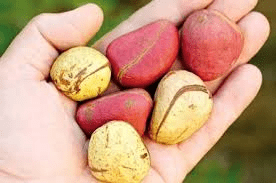
1. What are cola/kola embryos?
Cola/kola embryos are the developing plant structures within the seed that will grow into a new kola tree when the seed germinates.
2. How do cola/kola embryos contribute to plant propagation?
Embryos are essential for germination and the development of new kola trees from seeds.
3. Can cola/kola embryos be used in traditional medicine?
Yes, in some cultures, cola embryos are used for their potential therapeutic properties.
4. How are cola/kola embryos used in botanical research?
They are studied to understand seed development, plant growth, and breeding processes.
5. Are cola/kola embryos important for crop improvement?
Yes, knowledge of embryos helps in breeding programs to develop better cola tree varieties.
6. How are cola/kola embryos used in educational settings?
They are used to teach about plant development, seed biology, and reproductive processes.
7. What role do cola/kola embryos play in germplasm conservation?
They are preserved to maintain genetic diversity and ensure future availability of cola tree varieties.
8. How does research on cola/kola embryos contribute to agricultural innovation?
Research helps develop new planting techniques and improve crop yields.
9. Can cola/kola embryos be used in pharmaceutical research?
Yes, they may be explored for potential pharmaceutical applications due to their biochemical properties.
10. What is the economic value of cola/kola embryos?
The quality and yield of embryos affect the economic value of cola crops and related industries.
Read Also: Research Instrument and Data Analysis