


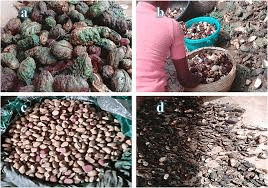
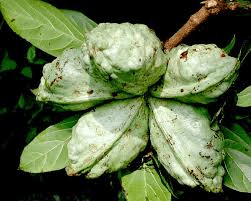
Cola/Kola Tegmen refers to the outer shell or husk of the kola nut, which is the seed of the kola tree (Cola genus) native to West Africa. This part of the kola nut is notable for its protective and structural role. The tegmen is a hard, reddish-brown covering that encases the actual seed. It is thicker and more fibrous than the inner seed and is crucial for shielding the seed from environmental factors and potential damage.
The tegmen of the kola nut has a tough, woody texture that is adapted to protect the seed during its development and while it is in the pod. Once harvested, the tegmen remains attached to the seed until it is manually removed or cracked open to access the edible part of the nut. The removal of the tegmen is an essential step in processing kola nuts, especially when preparing them for consumption or use in products.
Chemically, the tegmen contains compounds similar to those found in the inner seed, including caffeine, theobromine, and kolanin. However, the concentration of these compounds is generally lower in the tegmen compared to the seed. The tegmen does not contribute significantly to the stimulant effects of the kola nut but plays a role in the overall structure and integrity of the nut.
In terms of practical applications, the kola nut’s tegmen is not typically used directly. Instead, the focus is on the seed itself, which is valued for its stimulant properties and flavor. However, the tegmen does have some utility in traditional practices. In some cultures, the outer husk may be used in rituals or as a natural material in crafting and construction.
The kola nut’s tegmen also has a role in agriculture. The husks can be utilized as compost or mulch in farming, helping to enrich the soil and promote sustainable agricultural practices. This use of the tegmen reflects a broader trend toward utilizing all parts of a plant to minimize waste and enhance agricultural productivity.
Overall, while the cola/kola tegmen may not be as widely discussed or utilized as the seed itself, it is an integral part of the kola nut’s structure. Its primary functions are protective and structural, ensuring the seed’s survival and integrity until it is ready for use or consumption.
The Economic Importance and Uses of Cola/Kola Tegmen
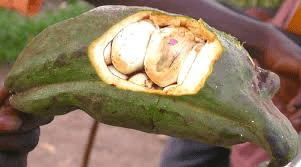
1. Seed Protection: The tegmen is the inner layer of the seed coat that provides additional protection to the seed, ensuring its viability and successful germination.
2. Seed Quality: The integrity of the tegmen affects the overall quality of the seed and its ability to germinate, impacting crop yields.
3. Botanical Research: Studying the tegmen helps scientists understand seed anatomy, development, and mechanisms of dormancy.
4. Crop Improvement: Insights into the tegmen can aid in developing seeds with better protection, leading to improved crop varieties.
5. Nutritional Studies: Analysis of the tegmen contributes to research on its potential nutritional benefits and uses in food products.
6. Traditional Medicine: In some cultures, the tegmen is used in traditional medicine for its potential health benefits.
7. Biofuel Production: The tegmen can be processed into biomass for biofuel, providing an alternative energy source.
8. Craft Materials: Dried tegmen can be used in crafting and creating decorative items.
9. Soil Improvement: Residues from the tegmen can be utilized in composting to enhance soil quality and fertility.
10. Erosion Control: The organic matter from tegmen residues helps with soil stabilization and erosion control.
11. Environmental Impact: The tegmen supports environmental conservation by contributing to natural recycling processes in ecosystems.
12. Research and Development: The tegmen is used in research to improve agricultural technologies and seed production methods.
13. Educational Purposes: Cola tegmen is used to teach about seed anatomy, plant growth, and germination.
14. Pest Control: The tegmen may be used in developing natural pest control methods by attracting beneficial insects or repelling pests.
15. Animal Feed: Residues of the tegmen, after processing, can be used as feed for livestock.
16. Waste Management: The tegmen contributes to waste management through recycling and composting practices.
17. Economic Value: The utilization of cola tegmen in various industries adds economic value to cola crop production.
18. Seed Banking: The tegmen plays a role in seed banking efforts to preserve seed quality and genetic diversity.
Read Also: Economic Importance and Uses of Hen Eggs
The Products and By-products That Can Be Derived From Cola/Kola Tegmen
1. Seed Protection: Tegmen provides protective layers for seeds during storage and germination.
2. Craft Materials: Dried tegmen is used for crafting and decorative purposes.
3. Biofuel: Processed tegmen can be used as biomass for biofuel production.
4. Nutritional Products: Research on tegmen for potential nutritional benefits.
5. Traditional Medicine Preparations: Used in some traditional remedies.
6. Soil Improvement: Tegmen residues utilized in composting to improve soil fertility.
7. Erosion Control Materials: Organic matter from tegmen helps stabilize soil and prevent erosion.
8. Educational Materials: Used to teach about seed anatomy and germination.
9. Animal Feed: Residues used as livestock feed after processing.
10. Research Samples: Tegmen used in research for developing agricultural technologies.
11. Waste Management: Contributes to recycling and composting efforts.
12. Pest Control: Potential use in natural pest control methods.
13. Environmental Conservation: Part of natural recycling processes in ecosystems.
Read Also: 15 Medicinal Health Benefits Of Fittonia albivenis (Nerve Plant)
Frequently Asked Questions (FAQ’s) About Cola/Kola Tegmen
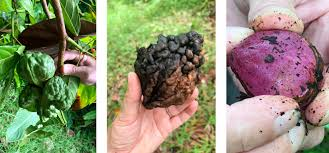
1. What is cola/kola tegmen?
Cola/kola tegmen is the inner layer of the seed coat that provides additional protection to the seed.
2. How does cola/kola tegmen contribute to seed protection?
The tegmen adds an extra layer of protection, helping to ensure the seed’s viability and successful germination.
3. Can cola/kola tegmen be used in biofuel production?
Yes, the tegmen can be processed into biomass for biofuel.
4. How is cola/kola tegmen used in traditional medicine?
In some cultures, the tegmen is used for its potential health benefits in traditional remedies.
5. What role does cola/kola tegmen play in crop improvement?
Understanding the tegmen helps in developing seeds with better protective features, leading to improved crop varieties.
6. Can cola/kola tegmen be used in crafting?
Yes, dried tegmen is used in making decorative items and crafts.
7. How does cola/kola tegmen benefit soil and erosion control?
Tegmen residues add organic matter to the soil, improving fertility and stabilizing soil to prevent erosion.
8. Is cola/kola tegmen used in educational settings?
Yes, it is used to teach about seed anatomy, plant growth, and germination processes.
9. What environmental benefits does cola/kola tegmen provide?
The tegmen contributes to environmental conservation through natural recycling and composting processes.
10. How does cola/kola tegmen add economic value?
The tegmen adds value through its use in various industries, including crafting, biofuel production, and traditional medicine.
Read Also: Best Organic Fertilizer for Vegetables