


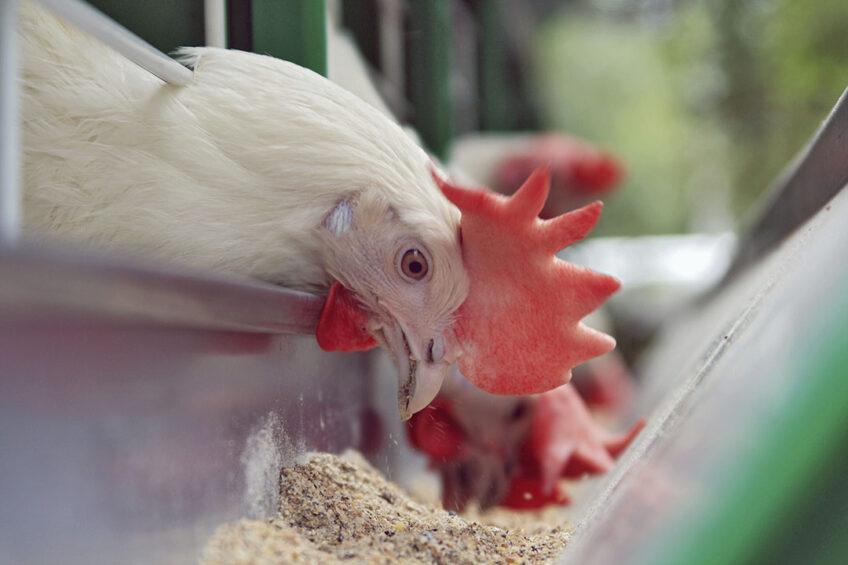
Feed is the foundation of your poultry operation. Birds eat it every day. They depend on it for growth, egg production, and basic survival. But here’s what many farmers don’t realize until it’s too late. That same feed can become the source of serious health problems.
Contaminated feed spreads disease faster than most people think. One batch of infected feed can take down an entire flock. The symptoms show up slowly at first. A few birds look off. Production drops slightly. Then suddenly, you’re dealing with mass mortality and wondering what went wrong.
The diseases birds can contract through feed are numerous. Some come from bacteria growing in poorly stored ingredients. Others result from molds that produce toxins. Nutritional imbalances create their own set of problems. Even parasites can hitch a ride in feed materials.
Testing your feed matters more than most farmers realize. You can’t tell if feed is contaminated just by looking at it. Mold toxins are invisible. Bacterial contamination doesn’t change the color. Nutritional deficiencies won’t announce themselves until birds start showing symptoms.
Feed quality starts at the mill. How ingredients are stored, mixed, and transported all affect safety. But your responsibility doesn’t end when you buy the feed. How you store it on your farm matters just as much. Damp storage areas breed problems. Rodents contaminate feed with their droppings. Old feed sitting too long develops issues.
Birds also face problems when they can’t access feed properly. Watch your flock during feeding time. Some birds always rush to eat. Others hang back. The timid ones end up smaller and weaker. They become more susceptible to disease simply because they’re not getting enough nutrition.
This isn’t just about buying good feed. It’s about the entire chain from production to consumption. Every step presents opportunities for contamination or quality loss. Understanding these risks helps you protect your investment and your birds.
1. Mycoplasma Diseases from Contaminated Feed
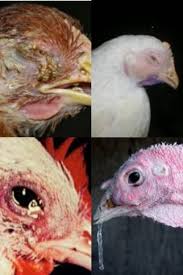
Mycoplasma are tiny organisms that cause several serious poultry diseases. Three types matter most. Mycoplasma gallisepticum causes chronic respiratory disease in chickens and turkeys. Mycoplasma meleagridis affects turkeys specifically. Mycoplasma synoviae causes infectious synovitis in both chickens and turkeys.
These diseases spread through contaminated feed and water. An infected bird sheds the organism in its droppings. The droppings contaminate the feed. Other birds eat the contaminated feed and get infected. The cycle continues.
Chronic respiratory disease started as a mild problem in adult chickens. It reduced egg production slightly but didn’t kill many birds. Then air sac disease appeared in young birds. This version hit much harder. High mortality in some flocks. Stunted growth across the board. Birds rejected at processing because they looked terrible.
A. Symptoms to Watch For
Birds with mycoplasma infections become droopy. Feed consumption drops. Body weight decreases rapidly. These are the early warning signs.
In turkeys, infectious sinusitis shows up in two forms. The upper form causes swelling under the eye. The lower form affects the lungs and air sacs. Most flocks have both forms present. Sometimes the same bird has both.
The air sacs turn cloudy. They fill with fluid and pus. Breathing becomes difficult. Birds struggle to get enough oxygen. Production crashes.
B. Diagnosis and Control
You can’t diagnose mycoplasma just by looking at sick birds. Flock history helps. Symptoms give clues. But blood tests provide confirmation.
The real answer is eradication. The National Poultry Improvement Plan helped commercial breeding flocks eliminate mycoplasma. Clean breeding stock produces clean chicks. This breaks the disease cycle.
Treatment is difficult and often disappointing. Antibiotics like Tylosin, Aureomycin, and Terramycin show some effect. But results vary. Economic factors determine whether treatment makes sense.
2. Feed Quality and Disease Prevention
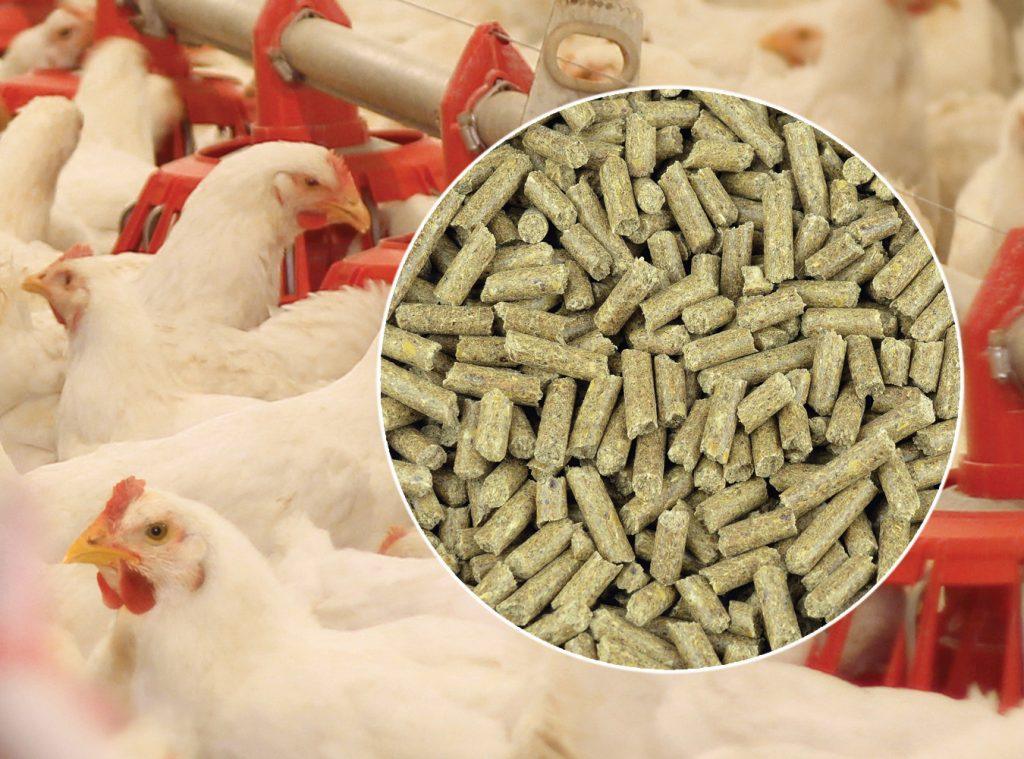
Feed quality directly affects disease resistance. Birds eating poor quality feed can’t fight off infections as well. Their immune systems are compromised from the start.
Close observation during feeding tells you a lot. Birds that don’t rush for food have a problem. Maybe they’re sick already. Maybe they’re being bullied away from feeders. Either way, they’re not eating enough.
These underfed birds stay smaller than their flockmates. Small size makes them more vulnerable to disease. They lack the reserves needed to fight infections. A minor health challenge that stronger birds shake off can kill them.
A. Providing Adequate Feeding Space
Enough feeding troughs solve the competition problem. When birds fight for feeder access, some always lose. The losers go hungry. Hunger leads to weakness. Weakness invites disease.
Calculate how much feeder space you need. Don’t skimp here. Every bird should be able to eat at the same time without crowding. This simple step prevents many health issues.
Separating smaller birds from bigger ones also helps. The little ones can’t compete with larger flockmates. Give them their own space. They’ll eat better and grow faster.
B. Storage Conditions Matter
How you store feed affects its quality and safety. Damp conditions encourage mold growth. Mold produces toxins that poison birds. Some of these toxins are deadly even in small amounts.
Keep feed in a dry, cool place. Use containers that rodents can’t access. Mice and rats contaminate feed with droppings and urine. Their waste carries disease organisms that infect your birds.
Old feed loses nutritional value over time. Vitamins break down. Fats go rancid. Don’t buy more feed than you can use in a reasonable time. Fresh feed is always better.
3. Nutritional Deficiency Diseases

Nutritional imbalances cause their own set of diseases. A deficiency can happen several ways. The nutrient might be missing from the feed. Processing might destroy it. Other nutrients might block its absorption.
Poultry need 36 essential nutrients. Each one has specific functions. A deficiency of any nutrient causes distinctive problems. The symptoms help identify which nutrient is missing.
Feed manufacturers should provide balanced rations. But mistakes happen. Formulation errors occur. Ingredients vary in quality. Storage destroys some vitamins. What looked balanced on paper might not be balanced in the bag.
A. Vitamin Deficiencies from Feed Issues
Vitamin B1 deficiency results from inadequate dietary levels. But other factors cause it too. Excess Amprol in the diet destroys B1. Moldy feed contains substances that inactivate the vitamin. Rancid fat oxidation also destroys it.
A B1 deficiency takes about three weeks to develop. Symptoms resemble other diseases. Birds look similar to those with Avian Encephalomacia or Newcastle disease. Proper diagnosis requires knowing what the birds ate.
Vitamin B2 deficiency gets mistaken for Marek’s disease. Both cause enlarged peripheral nerves. The symptoms look identical. Blood tests and feed analysis reveal the true cause.
B. Diseases in Laying Hens
Laying hens face specific nutritional diseases. Rickets affects bone development. Caged layer fatigue causes sudden death in high-producing birds. Fatty liver syndrome kills hens that seem perfectly healthy.
These diseases stem from nutritional problems in the feed. The diet might be formulated correctly on paper. But actual nutrient levels don’t always match the formula. Quality control matters in feed production.
Fatty liver syndrome responds to dietary changes. Replacing some corn with wheat bran helps. The lower energy density gives the liver a break. Birds recover slowly but most survive if caught early.
4. Contaminated Feed and Bacterial Diseases
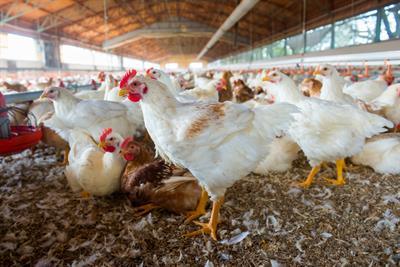
Bacteria thrive in certain feed conditions. Moisture is the main enabler. Wet feed becomes a bacterial breeding ground within hours. E. coli, Salmonella, and other pathogens multiply rapidly.
These bacteria cause serious disease outbreaks. E. coli infections lead to coliseptemia. Birds die suddenly with few warning signs. Salmonellosis causes diarrhea, weakness, and death in young birds.
Contamination happens at multiple points. Feed mills with poor hygiene contaminate batches. Improper storage at the farm allows bacterial growth. Rodent droppings introduce new bacteria. Birds drinking contaminated water spread it through the flock.
A. Prevention Strategies
Keep feed dry. This single step prevents most bacterial problems. Water leaks near feed storage spell disaster. Fix them immediately.
Clean feeders regularly. Old feed residue harbors bacteria. Fresh feed piled on top of contaminated leftovers spreads disease. Empty and wash feeders completely between refills.
Control rodents aggressively. Every mouse in your feed room is a disease vector. Their droppings contaminate thousands of pounds of feed. The bacteria multiply. Your birds eat the contaminated feed and get sick.
B. Treatment Limitations
Bacterial infections from feed respond poorly to treatment. By the time symptoms appear, many birds are infected. Treatment becomes a race against time.
Broad-spectrum antibiotics help some birds. But results are unpredictable. The bacteria might be resistant. The infection might be too advanced. Economic losses mount while you try different medications.
Prevention costs less than treatment. Investing in proper feed storage and handling saves money long term. Treating sick flocks drains resources with uncertain outcomes.
Read Also: How to Control and Prevent Disease Outbreak on your Poultry Farms
5. Parasite Transmission Through Feed
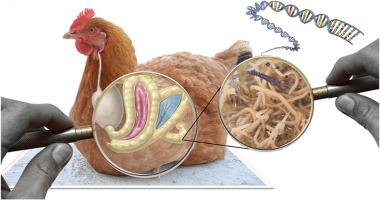
Internal parasites spread through contaminated feed. Roundworm eggs pass in infected bird droppings. The eggs contaminate feed and litter. Other birds consume the eggs while eating. The cycle repeats.
Large roundworms are common in chickens and turkeys. Adult worms measure one and a half to three inches long. You can see them easily in droppings or during necropsy. Heavily infected birds look droopy and thin. Diarrhea is common. Growth rates drop significantly.
Intermediate hosts complicate control. Snails, slugs, earthworms, grasshoppers, beetles, and cockroaches pick up worm eggs. Birds eat these insects and get infected. This makes complete eradication difficult.
A. Breaking the Transmission Cycle
Identifying intermediate hosts helps. Reduce insect populations around your poultry house. This cuts one transmission route. Good housekeeping removes insect habitat.
Keep wild birds away from feed storage. They carry parasites that can infect your flock. Seal storage areas so wild birds can’t access feed. This simple measure prevents many problems.
Medication containing piperazine works against large roundworms. But it doesn’t affect other internal parasites. You’ll need different medications for tapeworms, cecal worms, and other parasites.
B. Feed Management to Reduce Parasites
Prevent fecal contamination of feed. Feeder design matters here. Birds shouldn’t be able to stand in feeders and defecate. Hanging feeders work better than floor feeders for this reason.
Replace contaminated feed immediately. Don’t try to salvage feed that birds have pooped in. The parasite load is too high. Dispose of it and start fresh.
Rotate ranges if you use pasture. Don’t keep birds on the same ground year after year. Parasite eggs build up in soil. Moving birds to clean ground breaks the cycle.
6. Mold Toxins in Feed
Molds produce toxins called mycotoxins. These poisons damage birds in various ways. Some mycotoxins attack the liver. Others damage kidneys. Some suppress the immune system. A few cause cancer over time.
You can’t see mycotoxins. The feed might look fine but contain deadly levels of toxins. Testing is the only way to know for sure. By the time birds show symptoms, serious damage has occurred.
Damp storage conditions encourage mold growth. Temperature fluctuations create condensation. The moisture allows mold spores to germinate. Within days, toxin levels reach dangerous concentrations.
A. Types of Mycotoxins
Aflatoxin is the most common and dangerous. It causes liver damage and death. Young birds are especially vulnerable. Even low levels stunt growth and reduce feed efficiency.
Ochratoxin damages kidneys. Birds develop kidney failure over time. Performance drops gradually. By the time you notice problems, many birds are affected.
Fumonisin and other mycotoxins each have specific effects. Combinations are worse than single toxins. Feed contaminated with multiple molds causes more severe disease.
B. Prevention and Control
Buy feed from reputable suppliers who test for mycotoxins. Ask for test results. Don’t assume feed is clean just because it looks fine.
Store feed properly on your farm. Dry conditions prevent new mold growth. Even feed that arrives clean can become contaminated if stored poorly.
Don’t use old, expired feed. As feed ages, mold growth increases. The longer feed sits, the higher the risk. Use feed within recommended time frames.
7. Feed as a Disease Reservoir
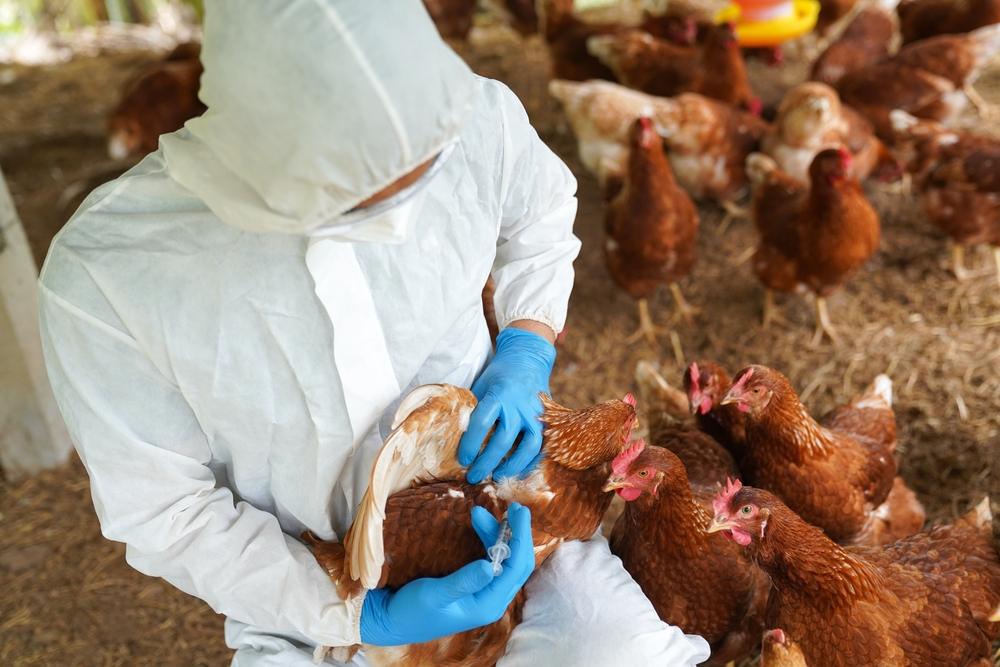
Feed serves as a reservoir for disease agents. Organisms can survive in feed for extended periods. They wait for a susceptible host. When birds eat contaminated feed, the organisms get their chance.
Certain viruses survive in feed. Newcastle disease virus remains viable in feed under certain conditions. Fowl cholera bacteria persist in contaminated feed. Other pathogens use feed as a vehicle to spread.
This makes feed management crucial for disease control. Even if everything else is perfect, contaminated feed undermines your biosecurity. One truckload of infected feed can start an outbreak.
A. Feed Mill Biosecurity
Commercial feed mills should maintain strict biosecurity. Ingredients arriving at the mill might carry disease organisms. Proper handling and processing kills most pathogens.
Heat treatment during pelleting kills many organisms. But not all feed is pelleted. Mash feed receives less heat treatment. The risk of contamination is higher.
Transportation introduces another risk. Feed trucks that visited infected farms can contaminate clean feed. Mills should have protocols for truck sanitation.
B. On-Farm Feed Protection
Protect feed from wildlife contact. Wild birds carry diseases that can infect your flock. Rodents do the same. Seal storage areas to exclude these disease carriers.
Don’t allow visitors near feed storage. People can carry disease organisms on their shoes and clothing. Limit access to essential personnel only.
Use feed within a reasonable time. Don’t stockpile months of feed. Fresher feed is safer feed. It’s had less time for contamination to occur.
8. Environmental Stress and Feed-Related Disease
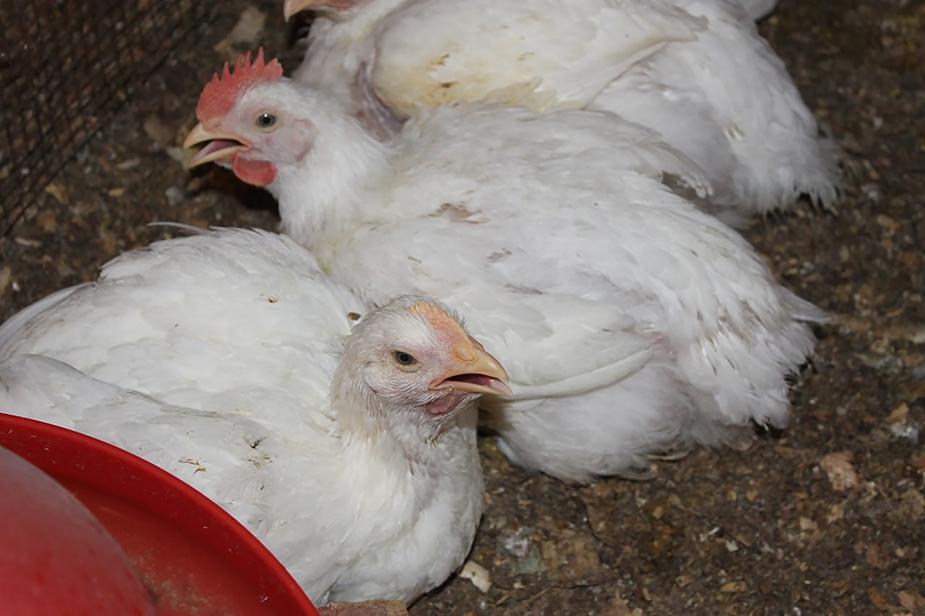
Environmental stress makes birds more susceptible to feed-borne diseases. Stress suppresses the immune system. A bird that could normally resist infection succumbs when stressed.
Overcrowding creates stress. Birds packed too tightly compete for feed. The competition itself is stressful. Birds that lose the competition don’t eat enough. They become even more vulnerable.
Temperature extremes stress birds. Heat stress reduces feed intake. Birds don’t get adequate nutrition. Their disease resistance drops. Cold stress has similar effects.
A. Managing Stress Factors
Provide adequate ventilation. Good air flow reduces respiratory disease risk. Stale air contains higher levels of ammonia and dust. Both stress birds and damage respiratory systems.
Maintain proper stocking density. Give birds enough space. Crowding increases stress and disease transmission. More space costs more but saves on disease losses.
Avoid sudden changes. Abrupt feed changes stress digestive systems. Gradual transitions give birds time to adapt. The same applies to environmental changes.
B. Vaccination During Stressful Periods
Never vaccinate during periods of stress. Birds already stressed can’t mount proper immune responses. The vaccine might not work. Worse, the vaccination itself adds more stress.
Wait until birds recover from other stresses before vaccinating. This ensures better vaccine response. The protection you’re paying for actually develops.
Handle birds gently during any procedure. Rough handling adds unnecessary stress. Take your time. Calm birds respond better to everything.
Summary on The Diseases Poultry Birds Can Get from Feeds
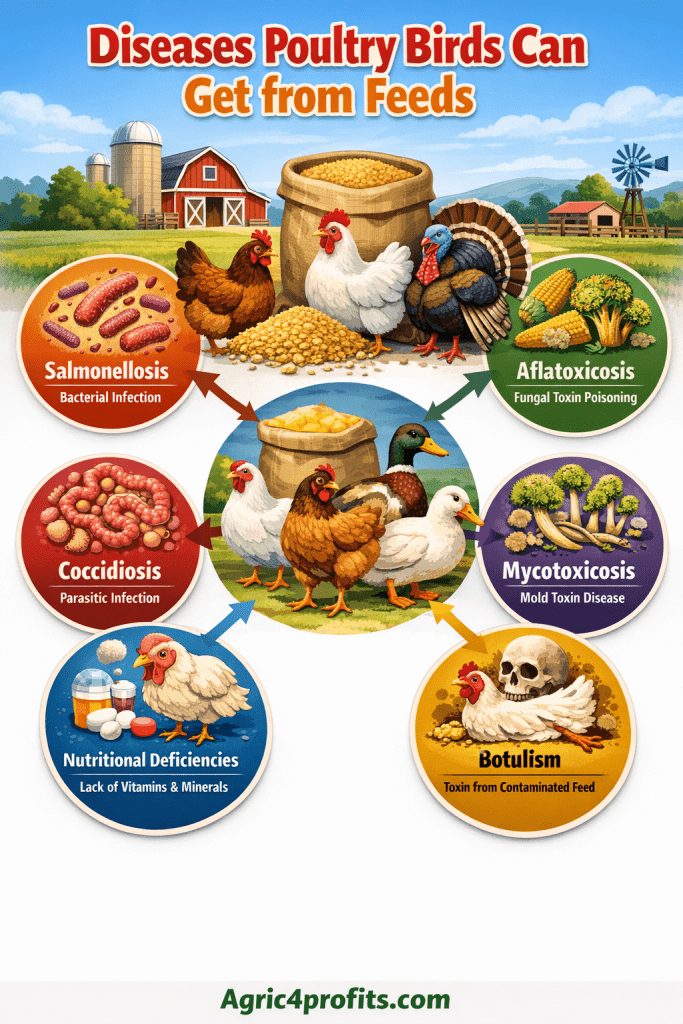
| Disease Type | Cause | Transmission Through Feed | Main Symptoms | Prevention |
|---|---|---|---|---|
| Mycoplasma (CRD) | Mycoplasma gallisepticum bacteria | Droppings contaminate feed, birds eat contaminated feed | Droopy appearance, reduced feed intake, weight loss, respiratory issues | Blood testing, eradication programs, clean breeding stock |
| Air Sac Disease | Mycoplasma gallisepticum | Feed/water contaminated by infected bird droppings | High mortality, stunted growth, poor feed efficiency | Maintain clean feed, proper storage, biosecurity |
| Nutritional Deficiency | Missing or destroyed nutrients in feed | Poor quality feed, storage damage to vitamins | Varies by nutrient: nerve problems, bone issues, reduced production | Buy quality feed, proper storage, use feed fresh |
| Bacterial Infections | E. coli, Salmonella, others | Wet feed, rodent contamination, poor storage | Sudden death, diarrhea, weakness, reduced growth | Keep feed dry, control rodents, clean feeders regularly |
| Parasitic Roundworms | Ascaridia galli and others | Eggs in droppings contaminate feed | Droopiness, weight loss, diarrhea, poor growth | Prevent fecal contamination, proper feeder design, medication |
| Mycotoxicosis | Mold toxins (aflatoxin, ochratoxin) | Moldy feed from damp storage | Liver/kidney damage, stunted growth, immune suppression | Dry storage, test feed, use fresh feed |
| Viral Diseases | Newcastle, Fowl Cholera, others | Contaminated feed from infected sources | Varies by virus: respiratory signs, sudden death, nervous symptoms | Feed mill biosecurity, protect from wildlife, vaccination |
| Caged Layer Fatigue | Nutritional imbalance in layer feed | Improper feed formulation | Sudden death in high-producing hens, bone weakness | Balanced rations, monitor feed quality, proper formulation |
Frequently Asked Questions About The Diseases Poultry Birds Can Get from Feeds
1. Can contaminated feed really cause disease outbreaks in my flock?
Yes, contaminated feed is a major source of disease transmission in poultry. Bacteria, viruses, parasites, and mold toxins can all spread through feed. One batch of contaminated feed can infect an entire flock within days. This is why feed quality testing and proper storage are critical.
2. How can I tell if my feed is contaminated?
You often can’t tell just by looking. Mold toxins are invisible. Bacterial contamination doesn’t change feed appearance. The best approach is testing feed from reputable laboratories. Watch your birds closely for signs like reduced feed intake, droopiness, diarrhea, or sudden deaths, which may indicate feed problems.
3. What causes nutritional deficiency diseases in birds eating commercial feed?
Deficiencies happen when nutrients are omitted during formulation, destroyed during processing or storage, or blocked from absorption by other ingredients. Heat, moisture, and time all degrade vitamins in stored feed. Rancid fats destroy some vitamins. Even properly formulated feed can become deficient if stored too long or improperly.
4. How long can feed be safely stored before it becomes a health risk?
Feed should be used within 2-3 weeks for best results. After that, vitamin content decreases and contamination risk increases. Never store feed longer than 2-3 months even under ideal conditions. Always use first-in, first-out rotation to ensure feed freshness.
5. Can mycoplasma diseases be treated with antibiotics?
Treatment is difficult and often disappointing. Antibiotics like Tylosin, Aureomycin, and Terramycin show some effect but results vary. The better approach is prevention through clean breeding stock and biosecurity. The National Poultry Improvement Plan has helped commercial flocks eradicate mycoplasma through testing and elimination programs.
6. What’s the connection between feed storage and mold toxins?
Damp storage conditions allow mold to grow on feed. These molds produce mycotoxins that poison birds. Even feed that arrives clean can become contaminated if stored in humid conditions or where temperature fluctuations create condensation. Always store feed in cool, dry locations.
7. How do parasites spread through contaminated feed?
Infected birds pass parasite eggs in their droppings. These droppings contaminate feed and litter. Other birds eat the contaminated feed and become infected. Some parasites also use intermediate hosts like insects that contaminate feed when birds eat them.
8. Should I separate smaller birds from bigger ones during feeding?
Yes, separating them helps prevent disease. Smaller birds can’t compete with larger ones for feed. They go hungry, become weak, and are more susceptible to infections. Providing adequate feeding space or separating size groups ensures all birds get proper nutrition.
9. What should I do if I suspect my feed is causing health problems?
Stop feeding the suspected batch immediately. Send samples for laboratory testing. Switch to a different feed source. Consult a poultry veterinarian for diagnosis and treatment of affected birds. Document the problem and report it to your feed supplier.
10. How can I prevent rodents from contaminating my feed?
Use rodent-proof storage containers. Keep feed storage areas clean and free of spillage. Implement an active rodent control program with traps and bait stations. Seal all entry points into storage buildings. Remember that even one mouse can contaminate large quantities of feed with disease-causing bacteria.
Do you have any questions, suggestions, or contributions? If so, please feel free to use the comment box below to share your thoughts. We also encourage you to kindly share this information with others who might benefit from it. Since we can’t reach everyone at once, we truly appreciate your help in spreading the word. Thank you very much for your support and for sharing!
Read Also: Complete List of High Fiber Foods you Should Know About