


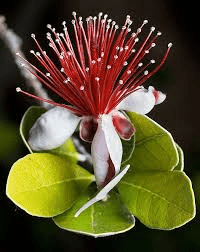
Guava petals are an integral part of the guava plant’s flower, belonging to the genus Psidium in the Myrtaceae family. These petals play a crucial role in the reproductive process by attracting pollinators, which are essential for the plant’s fertilization and fruit development.
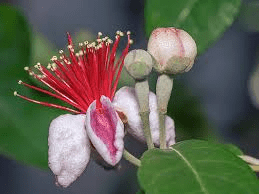
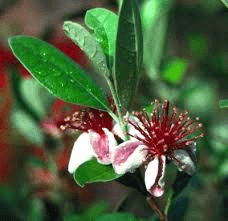
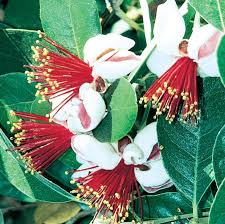
Guava petals are typically located in the second whorl of the flower, just inside the sepals. They are usually five in number, although this can vary depending on the guava species and variety. The petals are often white or pink, and their delicate, soft texture contrasts with the more robust sepals. The color and fragrance of the petals are vital for attracting pollinators such as bees, butterflies, and other insects. These pollinators are drawn to the bright colors and sweet scent, which signals the presence of nectar and pollen.
Structurally, guava petals consist of several layers of cells, including an outer epidermal layer, a middle mesophyll layer, and an inner layer of parenchyma cells. The epidermal layer often contains specialized cells that produce pigments responsible for the petal’s color. Additionally, the epidermal cells may secrete fragrant oils that attract pollinators. Beneath the epidermis, the mesophyll layer contains chloroplasts, although in lower concentrations than in leaves, as the primary function of petals is not photosynthesis but attraction. The parenchyma cells provide structural support and flexibility, allowing the petals to open and close as needed.
The shape and size of guava petals can vary, but they are typically rounded with smooth or slightly wavy edges. Their arrangement in the flower ensures maximum visibility and accessibility for pollinators. The petals’ design facilitates the efficient transfer of pollen from the anthers (male reproductive organs) to the stigma (female reproductive organ) either within the same flower or between different flowers.
The development and health of guava petals are influenced by environmental factors, such as light, temperature, and soil quality. Adequate sunlight is necessary for the synthesis of pigments and the production of fragrant oils. Optimal temperature and nutrient-rich soil contribute to the robust growth of the petals, enhancing their ability to attract pollinators. Conversely, poor environmental conditions can lead to dull-colored, weak, or malformed petals, reducing the plant’s chances of successful pollination.
In the lifecycle of the guava flower, the petals play their most critical role during the blooming phase. Once pollination occurs, the petals typically wither and fall off as the fruit begins to develop. However, their role in attracting pollinators remains essential for the reproductive success of the plant.
In summary, guava petals are a vital component of the guava flower, serving primarily to attract pollinators necessary for fertilization and fruit development. Their structure, including the epidermal, mesophyll, and parenchyma layers, supports their function in attracting pollinators through color and fragrance. The health and development of guava petals are influenced by environmental conditions, which affect their ability to fulfill their role in the plant’s reproductive process. Understanding the importance and function of guava petals can provide insights into improving pollination and fruit yield in guava cultivation.
The Economic Importance and Uses of Guava Petals
1. Herbal Medicine: Guava petals are used in traditional medicine for their potential therapeutic properties, such as treating digestive issues and inflammation.
2. Natural Dyes: The pigments in guava petals can be extracted and used as natural dyes for textiles and crafts.
3. Composting Material: Guava petals can be composted to enrich the soil with organic matter and nutrients.
4. Mulch: Shredded guava petals are used as mulch to retain soil moisture and suppress weed growth.
5. Potpourri: Dried guava petals are used in potpourri for their natural fragrance.
6. Skincare Products: Extracts from guava petals are used in skincare products for their antioxidant and anti-inflammatory properties.
7. Animal Feed: Guava petals can be used as supplementary feed for livestock, especially when other feed sources are scarce.
8. Biofertilizer: Compost made from guava petals can be used as a biofertilizer to improve soil health.
9. Natural Pest Repellent: Extracts from guava petals can be used to create natural pest repellents for crops.
10. Charcoal Production: Guava petals can be converted into charcoal, which is used as a fuel and in various industrial applications.
11. Craft Materials: The petals are used in crafting to create decorative items and art.
12. Eco-friendly Packaging: Guava petals can be processed into biodegradable packaging materials.
13. Soil Erosion Control: Guava petals are used in projects to control soil erosion and stabilize land.
14. Biomass Energy: They can be used as biomass for generating renewable energy.
15. Fertilizer Additive: Guava petals are added to fertilizers to boost nutrient content.
16. Animal Bedding: Dried petals can be used as bedding material for livestock.
17. Environmental Conservation: Guava petals help in environmental conservation by contributing to soil health and erosion control.
18. Artistic Uses: Guava petals are used in artistic projects and crafts for their unique appearance.
Read Also: Snow Bengal Cat Breed Description and Care Guide
The Products and By-products That Can Be Derived From Guava Petals
1. Natural Dyes: Pigments from guava petals are extracted for use as natural dyes.
2. Compost: Guava petals are composted to produce nutrient-rich compost for soil improvement.
3. Mulch: Shredded petals are used as mulch to conserve soil moisture and control weeds.
4. Potpourri: Dried petals are used in potpourri mixes for their aroma.
5. Skincare Products: Extracts from guava petals are incorporated into creams and lotions for their skin benefits.
6. Animal Feed: Petals are used in feed mixtures for livestock.
7. Biofertilizer: Compost made from guava petals is used as a biofertilizer.
8. Natural Pest Repellents: Extracts are used to make natural pest repellents.
9. Charcoal: Petals can be carbonized to produce charcoal for fuel.
10. Craft Materials: Guava petals are used in crafting and decorative projects.
11. Eco-friendly Packaging: Processed petals are used in biodegradable packaging.
12. Soil Erosion Control: Guava petals are used to prevent soil erosion and stabilize land.
13. Biomass Energy: Petals are used as biomass for renewable energy generation.
14. Fertilizer Additive: Guava petals are added to fertilizers to enhance their nutrient content.
15. Animal Bedding: Dried petals are used as bedding for livestock.
16. Environmental Projects: Petals contribute to environmental conservation efforts.
17. Artistic Projects: Guava petals are used in art and craft projects for their aesthetic qualities.
18. Soil Conditioner: Guava petals are used as soil conditioners to improve soil structure and fertility.
Read Also: Silver Bengal Cat Breed Description and Complete Care Guide
Frequently Asked Questions (FAQ’s) About Guava Petals
1. What are the uses of guava petals in traditional medicine?
Guava petals are used to treat digestive issues, inflammation, and other health conditions in traditional medicine.
2. How can guava petals be used as natural dyes?
Pigments from guava petals are extracted and used to dye textiles and crafts.
3. Can guava petals be used in composting?
Yes, guava petals can be composted to enrich soil with organic matter and nutrients.
4. How are guava petals used in skincare products?
Extracts from guava petals are incorporated into skincare products for their antioxidant and anti-inflammatory benefits.
5. Are guava petals effective as a natural pest repellent?
Yes, extracts from guava petals can be used to create natural pest repellents for crops.
6. Can guava petals be used for energy production?
Yes, they can be used as biomass for generating renewable energy or processed into charcoal.
7. How are guava petals used in crafting?
Guava petals are used to create decorative items and art due to their unique appearance.
8. What is the role of guava petals in soil erosion control?
They are used in projects to stabilize soil and prevent erosion.
9. How can guava petals be used in eco-friendly packaging?
Processed guava petals are used to create biodegradable packaging materials.
10. Can guava petals be used as animal feed?
Yes, guava petals can be used as supplementary feed for livestock.
Read Also: Top 20 Proven Benefits of Ginger Plant