


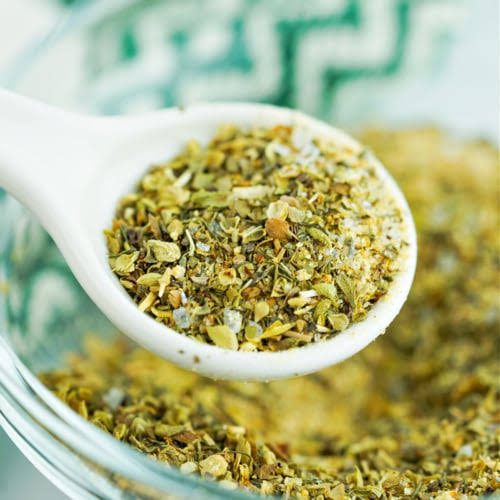
Greek Seasoning is a special blend of herbs and spices used in Greek dishes. People use it to add delicious flavors to their food. It is like a magic powder that makes dishes taste really good and yummy. Imagine you are in Greece, where the sun shines brightly, and the Mediterranean Sea sparkles. Greek Seasoning brings the taste of this beautiful place to your kitchen. It’s made from simple ingredients, but when you use it, your food turns into a Mediterranean masterpiece.
The main ingredients in Greek Seasoning are oregano, thyme, basil, and marjoram. These herbs grow abundantly in Greece because of the warm and sunny climate. They give the seasoning its fragrant and earthy flavors. You can almost feel the Greek sunshine in every sprinkle!
Besides the herbs, Greek Seasoning also has garlic and onion powder. These add a little kick to the mix. Garlic gives your food a nice, savory taste, while onion powder adds a touch of sweetness. Together, they create a balanced blend of flavors.
If you like a little tanginess in your food, Greek Seasoning has you covered. It often includes lemon zest. Lemon zest is made from the outer peel of lemons and has a bright, citrusy flavor. It’s like a burst of sunshine in your mouth!
Some variations of Greek Seasoning also include dried mint leaves. Mint adds a refreshing twist to the mix. It’s like a cool breeze on a hot summer day. Just a pinch of mint can make your Greek dishes extra special.
Now, let’s talk about how to use Greek Seasoning. It’s incredibly versatile. You can use it on meat, like chicken, lamb, or beef, to give them a Greek twist. Just sprinkle it on, and you’re ready to grill or roast. It’s also fantastic on roasted vegetables. Try it on potatoes, peppers, or zucchini for a taste explosion!
Greek Seasoning can be your best friend when making a Greek salad. Just toss some fresh cucumbers, tomatoes, olives, and feta cheese together. Then, sprinkle Greek Seasoning on top and drizzle with olive oil. You’ve got a taste of Greece in a bowl!
Don’t forget about Greek Seasoning when making soups and stews. It can turn a simple soup into a hearty, Mediterranean delight. Just a teaspoon or two can transform your dish into something extraordinary.
In addition, Greek Seasoning is like a vacation for your taste buds. It brings the flavors of Greece right into your kitchen. With herbs, garlic, lemon, and a hint of mint, it’s a blend that can make any dish taste amazing.
Read Also: All You Need To Know About Soft Grass
13 Health Benefits of Greek Seasoning

Greek Seasoning, while primarily used to enhance the flavor of dishes, can offer some potential health benefits due to its natural ingredients. Here are 13 possible health benefits associated with Greek Seasoning:
1. Antioxidant Properties: Greek Seasoning often contains herbs like oregano and basil, which are rich in antioxidants. These compounds can help protect your cells from damage.
2. Anti-Inflammatory: Ingredients like oregano and thyme may have anti-inflammatory properties, which can be beneficial for reducing inflammation in the body.
3. Heart Health: Some components in Greek Seasoning, like garlic, may contribute to heart health by helping to lower blood pressure and cholesterol levels.
4. Digestive Aid: The herbs in Greek Seasoning, particularly mint, can aid digestion and soothe digestive discomfort.
5. Weight Management: By adding flavor to your dishes without adding extra calories, Greek Seasoning can help with weight management by making healthy eating more enjoyable.
6. Improved Immunity: The vitamin C in lemon zest, found in some Greek Seasoning blends, can boost your immune system.
7. Better Bone Health: Oregano is a source of vitamin K, which is essential for bone health and may contribute to bone density.
8. Reduced Risk of Chronic Diseases: Consuming herbs like basil and marjoram, found in Greek Seasoning, may be associated with a lower risk of chronic diseases due to their antioxidant properties.
9. Balanced Blood Sugar: Some herbs and spices in Greek Seasoning, such as thyme, may help regulate blood sugar levels.
10. Cognitive Health: Certain components in Greek Seasoning, like rosemary, have been linked to improved cognitive function and memory.
11. Respiratory Health: Mint, present in some Greek Seasoning blends, can help soothe respiratory issues and promote easier breathing.
12. Skin Health: Antioxidants in Greek Seasoning may contribute to healthy, radiant skin by reducing oxidative stress.
13. Reduced Sodium Intake: Using Greek Seasoning instead of salt can help lower your sodium intake while still adding flavor to your food.
Scientific Evidence and Case Studies on Greek Seasoning
1. Anti-Inflammatory Effects: Greek seasoning often includes oregano and rosemary, which contain carnosol and thymol. Studies show these compounds reduce inflammation markers, potentially easing symptoms of arthritis and chronic inflammation.
2. Antioxidant Properties: Spices like thyme and oregano are rich in antioxidants such as rosmarinic acid, which research indicates neutralize free radicals, protecting cells from oxidative damage linked to aging and diseases.
3. Antimicrobial Activity: Garlic powder and oregano in Greek seasoning have been shown to exhibit antibacterial and antifungal properties, effective against pathogens like Staphylococcus aureus, aiding in food safety.
4. Digestive Health Support: Dill and parsley in the blend stimulate digestive enzymes, with studies suggesting they improve nutrient absorption and reduce bloating or indigestion.
Nutritional Value Of Greek Seasoning
1. Rosmarinic Acid: Found in rosemary and oregano, this antioxidant reduces oxidative stress, supports immune health, and may protect against neurodegenerative diseases.
2. Thymol: Present in thyme, thymol offers antimicrobial and anti-inflammatory benefits, supporting respiratory health and fighting infections.
3. Allicin: From garlic powder, allicin provides antibacterial and antioxidant effects, promoting cardiovascular health and immune function.
4. Vitamin K: Parsley and dill contribute vitamin K, essential for blood clotting and bone health, supporting strong bones and wound healing.
5. Iron: Spices like oregano and dill provide small amounts of iron, aiding hemoglobin production to prevent anemia and maintain energy levels.
6. Magnesium: Found in trace amounts in herbs like rosemary, magnesium supports muscle function, nerve health, and energy metabolism.
Cavender Greek Seasoning
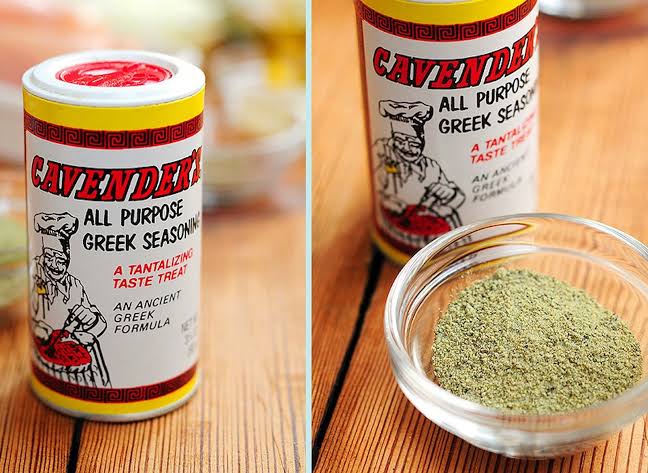
Cavender Greek Seasoning is a special blend of tasty ingredients that people use to make their food extra delicious. This seasoning is like a secret ingredient that turns ordinary dishes into Greek masterpieces.
Cavender Greek Seasoning is a mixture of different herbs and spices that come together to create a magical flavor. It’s famous for its ability to make food taste like it’s straight from Greece, the land of beautiful blue seas and white houses.
Inside the Cavender Greek Seasoning bottle, you’ll find a blend of herbs and spices that give it its unique taste. The main ingredients are oregano, garlic, and salt. Oregano is a fragrant herb that adds a wonderful Mediterranean flavor. Garlic gives your food a tasty kick, and salt enhances all the flavors, making them pop!
Using Cavender Greek Seasoning is super easy. Just sprinkle it on your food before or after cooking. You can use it on all sorts of dishes, like chicken, fish, vegetables, and even on popcorn for a fun twist. It’s like a magic dust that makes everything better!
Cavender Greek Seasoning is special because it brings the flavors of Greece right to your kitchen. When you use it, you can imagine the Greek sun warming your food and the Mediterranean breeze in the air. It is just a little taste of Greece in every bite.
This seasoning is perfect for grilling and roasting. Just rub it on your meat or veggies before cooking, and you’ll have a mouthwatering meal in no time. It’s like having a Greek barbecue right at home.
Cavender Greek Seasoning can trigger up your salads too. Sprinkle it on fresh cucumbers, tomatoes, and olives. Add some feta cheese and a drizzle of olive oil, and you have got a Greek salad that’s bursting with flavor.
One of the best things about Cavender Greek Seasoning is that it’s loved by kids and grown-ups alike. It makes food taste so good that even picky eaters can’t resist.
Cavender Greek Seasoning is like a treasure in your spice cabinet. It’s a blend of herbs and spices that brings the taste of Greece to your home-cooked meals. Whether you’re grilling, roasting, or making a simple salad, Cavender Greek Seasoning is your secret to making food taste absolutely delicious.
Read Also: All You Need To Know About Swamp Grass (Schoenoplectus Spp)
Greek Seasoning Blend
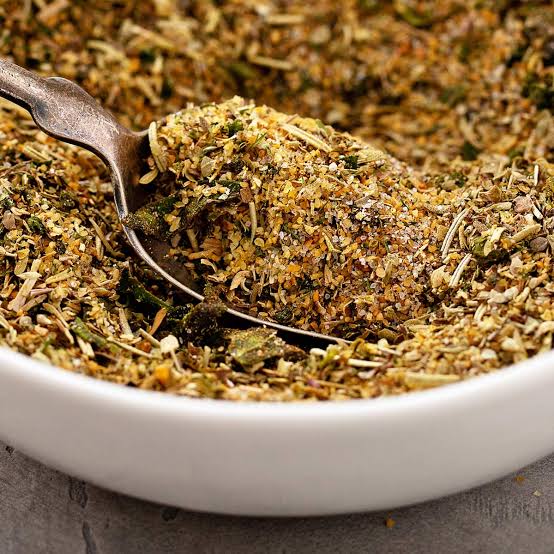
A Greek Seasoning Blend is a mixture of various herbs and spices carefully combined to capture the essence of Greek dishes. This flavorful blend adds a Mediterranean touch to dishes, transforming them into savory delights.
Below are the elements that typically make up a Greek Seasoning Blend:
1. Oregano: Oregano is a star player in Greek Seasoning. It’s a fragrant herb that contributes a distinctive earthy and slightly peppery flavor, reminiscent of the Greek countryside.
2. Thyme: Thyme adds a subtle, earthy note with hints of lemon and mint. It pairs wonderfully with oregano to create a harmonious flavor profile.
3. Basil: Basil brings a fresh and slightly sweet aroma to the blend. It’s like a burst of summer in every sprinkle, enhancing the overall taste.
4. Marjoram: Marjoram is a close relative of oregano, but it has a milder, sweeter flavor. It complements the other herbs, adding depth to the seasoning.
5. Garlic Powder: Garlic powder provides a savory kick to the blend. It’s like adding a hint of roasted garlic to your dishes, infusing them with rich, aromatic goodness.
6. Onion Powder: Onion powder contributes a touch of sweetness and depth to the mix. It complements the garlic and other ingredients, creating a well-rounded flavor.
7. Lemon Zest: Some Greek Seasoning Blends incorporate lemon zest to infuse a bright, citrusy note into the mix. This zest adds a refreshing twist to your dishes.
8. Mint (optional): Mint, while not always included, can be a delightful addition for those who enjoy a hint of cool, fresh flavor. It provides a unique touch to the blend.
How to Use Greek Seasoning Blend
Greek Seasoning Blend is versatile and can be used in various ways:
1. Sprinkle on Meat: Season chicken, lamb, or beef before grilling or roasting to give them that delicious Greek flair.
2. Enhance Vegetables: Toss roasted or grilled vegetables like zucchini, eggplant, or bell peppers with the seasoning for a Mediterranean twist.
3. Add to Soups and Stews: Boost the flavor of soups and stews by incorporating a teaspoon or two of the blend during cooking.
4. Elevate Salads: Sprinkle on salads, especially Greek salads with cucumbers, tomatoes, olives, and feta cheese, for an authentic taste.
5. Flavor Rice and Pasta: Mix into rice or pasta dishes to infuse them with Greek-inspired flavors.
Frequently Asked Questions About Greek Seasoning
1. What is Greek seasoning? Greek seasoning is a blend of herbs and spices like oregano, thyme, rosemary, garlic powder, and dill, used to add savory, Mediterranean flavors to dishes.
2. How does Greek seasoning differ from Italian seasoning? Greek seasoning often includes dill and a stronger garlic presence, while Italian seasoning leans on basil and marjoram, offering a slightly different flavor profile.
3. Can Greek seasoning be used in place of other spice blends? Yes, it can substitute for Italian or Mediterranean blends in recipes, adding a similar herby, savory taste, though adjust for dill’s distinct flavor.
4. Does Greek seasoning have health benefits? Yes, it offers antioxidant, anti-inflammatory, and antimicrobial benefits from herbs, supporting digestion, immunity, and heart health in moderation.
5. How should Greek seasoning be stored? Store in an airtight container in a cool, dry place away from sunlight to preserve flavor and potency for up to one year.
6. Can Greek seasoning cause side effects? Rare, but excessive use may cause digestive discomfort or allergic reactions in those sensitive to herbs like oregano or dill.
7. Is Greek seasoning safe for everyone? Most can use it safely, but those with allergies to specific herbs or on certain medications should consult a doctor.
8. How can I use Greek seasoning in cooking? Sprinkle on grilled meats, vegetables, feta cheese, salads, or use in marinades, soups, and dips like tzatziki for Mediterranean flair.
9. Does Greek seasoning lose its flavor over time? Yes, ground herbs fade faster than whole; check for strong aroma and replace after about a year for optimal flavor.
10. Can Greek seasoning be used in non-Greek dishes? Yes, it enhances roasted potatoes, chicken, or even scrambled eggs, adding a versatile, herby depth to various cuisines.
Do you have any questions, suggestions, or contributions? If so, please feel free to use the comment box below to share your thoughts. We also encourage you to kindly share this information with others who might benefit from it. Since we can’t reach everyone at once, we truly appreciate your help in spreading the word. Thank you very much for your support and for sharing!
Disclaimer: This article is for educational and informational purposes only. The health benefits described are based on scientific research and traditional knowledge. They are not a substitute for professional medical advice, diagnosis, or treatment. Always consult a healthcare professional before using any herb or natural remedy for medical purposes.
Read Also: Old Phones Recycling Process (i.e Nokia old phones)