


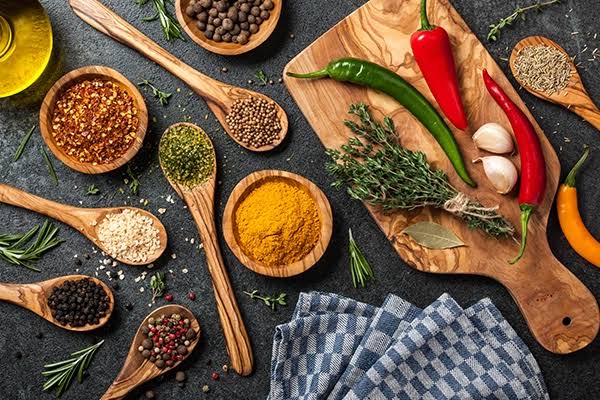
Herbs and spices are wonderful ingredients that make our food taste better and offer many health benefits. Herbs are the leafy parts of certain plants, they are usually green and add a fresh, earthy taste to dishes. Some common herbs include basil, parsley, mint, and cilantro. Herbs are often used in salads, sauces, and soups to enhance the flavor and aroma of our food.
Spices, on the other hand, are usually derived from the seeds, roots, bark, or fruits of plants. They come in various forms, such as ground powder or whole. Spices can be sweet, savory, or even hot and spicy. Popular spices include cinnamon, cumin, paprika, and chili pepper. They are used to give dishes a kick of flavor and warmth.
These culinary wonders have been used for centuries in various cuisines around the world. They not only make our meals taste delicious but also offer several health benefits. For instance, ginger and turmeric are known for their anti-inflammatory properties. Garlic is believed to lower cholesterol levels, and oregano is rich in antioxidants.
In addition to their health benefits, herbs and spices can help reduce the need for excessive salt and sugar in our diets. By using these natural flavor enhancers, we can make our food healthier without sacrificing taste.
Moreover, herbs and spices have cultural significance. They play a vital role in traditional dishes, passed down through generations. For example, basil is a key ingredient in Italian pesto sauce, and curry powder is essential in Indian cuisine.
Growing your own herbs at home is also a rewarding experience. Whether you have a small garden or just a sunny windowsill, you can cultivate herbs like basil, rosemary, or thyme. Freshly picked herbs add a burst of flavor to your dishes, and the satisfaction of growing your own food is unmatched.
However, herbs and spices are essential ingredients in our kitchens. They bring flavor, health benefits, and cultural richness to our meals. So, next time you’re cooking, don’t forget to reach for those aromatic herbs and spices to make your dishes not only taste better but also healthier.
Read Also: 9 Ways to Fatten Up your Pigs the Right Way
17 Health Benefits of Herbs and Spices
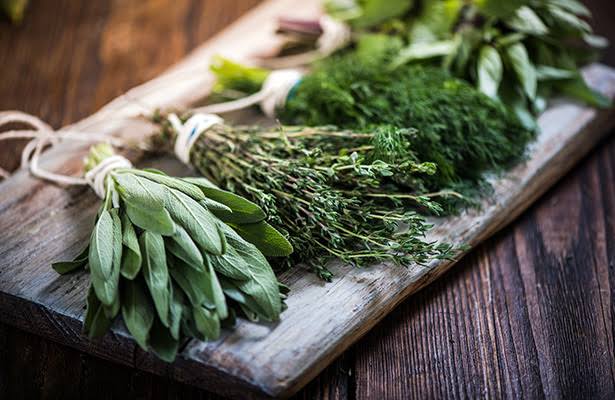
Here are some health benefits associated with herbs and spices:
1. Antioxidant Properties: Many herbs and spices are rich in antioxidants, which help protect our cells from damage caused by free radicals.
2. Anti-Inflammatory Effects: Certain herbs like turmeric and ginger have potent anti-inflammatory properties that can reduce inflammation in the body.
3. Digestive Aid: Herbs like peppermint and ginger can help alleviate digestive issues such as indigestion and bloating.
4. Lowering Blood Sugar: Cinnamon is known for its ability to help regulate blood sugar levels, particularly beneficial for those with diabetes.
5. Heart Health: Garlic and rosemary may contribute to cardiovascular health by reducing blood pressure and cholesterol levels.
6. Pain Relief: Some spices, like cloves, possess natural analgesic properties that can help alleviate pain.
7. Immune Support: Herbs like echinacea and oregano are believed to boost the immune system.
8. Weight Management: Capsaicin, found in chili peppers, can increase metabolism and aid in weight loss.
9. Improved Brain Function: Certain herbs and spices, such as rosemary and turmeric, are thought to enhance cognitive function and memory.
10. Anti-Bacterial Properties: Spices like thyme and oregano contain compounds with antibacterial properties.
11. Stress Reduction: Lavender and chamomile are known for their calming effects and can help reduce stress and anxiety.
12. Better Respiratory Health: Eucalyptus and ginger can help relieve respiratory issues like congestion and coughs.
13. Skin Health: Turmeric and aloe vera can be used topically to treat skin conditions and promote healthy skin.
14. Anti-Cancer Properties: Some herbs and spices contain compounds that have shown potential in preventing or slowing down the growth of cancer cells.
15. Improved Oral Health: Clove oil has been used for its analgesic and antibacterial properties in dental care.
16. Better Sleep: Herbs like valerian root and chamomile can aid in improving sleep quality.
17. Hormonal Balance: Herbs like fenugreek may help regulate hormones and alleviate symptoms of conditions like PCOS.
Scientific Evidence and Case Studies on Herbs and Spices
1. Antioxidant Properties: Herbs like oregano and spices like turmeric contain high levels of phenolic compounds and flavonoids, neutralizing free radicals and reducing oxidative stress, as shown in in vitro phytochemical studies.
2. Anti-Inflammatory Effects: Compounds such as curcumin in turmeric and rosmarinic acid in rosemary inhibit pro-inflammatory cytokines, with clinical trials showing reduced inflammation in conditions like arthritis.
3. Antimicrobial Activity: Essential oils from thyme, cloves, and black pepper exhibit antibacterial and antifungal effects against pathogens like Escherichia coli and Candida albicans, enhancing food preservation, as validated in microbial assays.
4. Blood Sugar Regulation: Spices like cinnamon and fenugreek, and herbs like sage, improve insulin sensitivity and lower fasting glucose, supported by clinical studies on type 2 diabetes management.
5. Cardiovascular Benefits: Garlic, cumin, and basil reduce LDL cholesterol and blood pressure, with meta-analyses of randomized trials showing improved lipid profiles and heart health.
Uses of Herbs and Spices
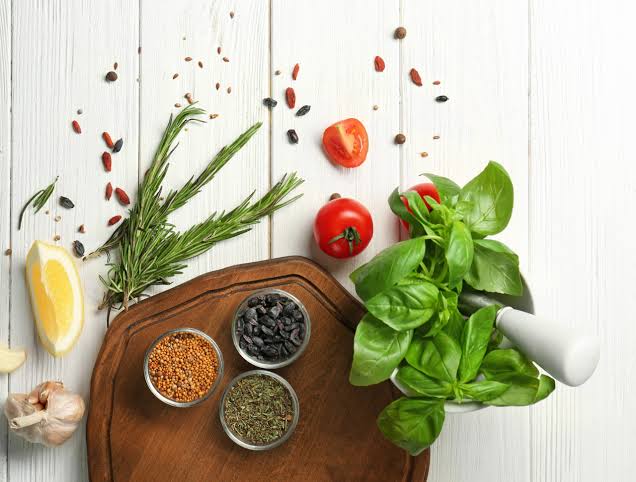
Herbs and spices have a wide range of uses in cooking, wellness, and beyond. Here are some common uses for herbs and spices:
1. Flavoring Food: The primary use of herbs and spices is to enhance the flavor of food. They add depth, aroma, and complexity to dishes.
2. Seasoning: Herbs and spices are used to season meats, vegetables, and grains, providing a savory, sweet, or spicy taste.
3. Marinades: They are often used in marinades to infuse flavor into meats, poultry, and seafood before cooking.
4. Salad Dressings: Fresh herbs like basil, parsley, and cilantro are used to make delicious salad dressings.
5. Soups and Stews: Herbs and spices are key ingredients in soups and stews, contributing to the overall taste and aroma of the dish.
6. Baking: Spices like cinnamon, nutmeg, and cloves are essential in baking, used in cakes, cookies, and pies.
7. Teas and Infusions: Many herbs are used to make herbal teas, which have various wellness benefits.
8. Preservation: Historically, herbs and spices were used to preserve food before refrigeration became common.
9. Aromatherapy: Essential oils derived from herbs and spices are used in aromatherapy for their therapeutic effects on mood and relaxation.
10. Medicine: Some herbs and spices are used in traditional and alternative medicine to treat various ailments.
11. Home Remedies: They are used in home remedies for coughs, colds, and digestive issues. For example, ginger tea for nausea.
12. Beauty Products: Herbs and spices are used in skincare and beauty products for their soothing and rejuvenating properties.
13. Potpourri: Dried herbs and spices are used in potpourri for their fragrant qualities.
14. Insect Repellent: Certain herbs like citronella and lemongrass are used to repel insects.
15. Natural Cleaners: Some herbs and spices have antibacterial properties and can be used in natural cleaning solutions.
16. Culinary Traditions: Different cultures have their unique combinations of herbs and spices that define their cuisines, like Italian herbs in Italian cuisine or curry spices in Indian cuisine.
17. Decorative: Herbs like rosemary or thyme can be used as garnishes to decorate dishes.
The uses of herbs and spices are diverse and extend beyond the kitchen, making them valuable additions to our daily lives for both culinary and wellness purposes.
Read Also: Recommended Feed Formula for Piglets (Baby Pigs)
Herbs and Spices List
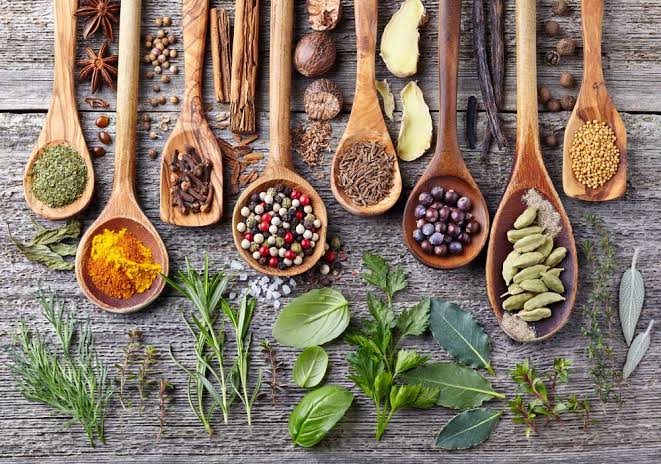
Herbs and spices are like tasty magic for your food. They make it yummy and can be good for you too. Here’s a list of some herbs and spices that you might find in your kitchen:
1. Basil: It’s green and smells so fresh. People use it in pasta and salads.
2. Cinnamon: This spice is brown and sweet. You can put it on toast or in desserts.
3. Mint: Mint is green and cool. It’s great for making tea or adding to fruit.
4. Parsley: It’s green and leafy. You can use it to make your food look pretty.
5. Ginger: This is spicy and good for your tummy. You can use it in stir-fries and teas.
6. Chili Pepper: It’s red and hot! Some people love it in spicy dishes.
7. Thyme: Thyme is tiny and green. It’s good for soups and roasted meats.
8. Oregano: It’s green and smells like pizza! Use it in Italian dishes.
9. Rosemary: This herb is woody and fragrant. It’s nice with roasted chicken.
10. Cumin: Cumin is brown and earthy. It’s great for tacos and curries.
11. Garlic: Garlic is small and strong. It’s in lots of savory dishes.
12. Turmeric: It’s yellow and good for you. People use it in curries and soups.
13. Coriander: It’s green and fresh. Use it in salsa or Asian dishes.
14. Nutmeg: Nutmeg is brown and sweet. It’s nice in pies and sauces.
15. Paprika: This spice is red and smoky. It’s perfect for flavoring meats.
16. Cloves: Cloves are small and strong-smelling. They’re good in desserts and spiced drinks.
17. Dill: It’s green and tastes like pickles. Use it in salads and with fish.
These are just some of the herbs and spices you can find in the kitchen. They make your food taste better and can add a touch of healthiness too.
Frequently Asked Questions About Herbs and Spices
1. What are herbs and spices?
Herbs are leaves of plants (e.g., basil, oregano), while spices are seeds, roots, or bark (e.g., cumin, cinnamon), used to flavor, color, or preserve food.
2. What are the health benefits of herbs and spices?
They offer antioxidant, anti-inflammatory, antimicrobial, and metabolic benefits, supporting heart health, digestion, immunity, and blood sugar control.
3. How should herbs and spices be stored?
Store in airtight containers in a cool, dark place to preserve flavor and potency, typically for 6-12 months for dried herbs and spices.
4. Are herbs and spices gluten-free?
Pure herbs and spices are naturally gluten-free, but check commercial blends for additives or potential cross-contamination.
5. Can herbs and spices cause allergies?
Rare, but some, like mustard or chili, may trigger reactions in sensitive individuals, causing skin irritation or digestive discomfort.
6. How do herbs and spices enhance cooking?
They add depth, aroma, and color to dishes; use ½-1 tsp for spices or 1-2 tbsp fresh herbs per recipe for meats, vegetables, or sauces.
7. Can herbs and spices be used in non-culinary ways?
Yes, they’re used in skincare (e.g., turmeric in masks), aromatherapy (e.g., lavender oil), and traditional medicine for their bioactive compounds.
8. Which herbs and spices aid digestion?
Ginger, fennel, peppermint, and cumin stimulate digestive enzymes, reducing bloating and nausea, as supported by traditional and clinical evidence.
9. Can herbs and spices help with weight loss?
Cayenne, ginger, and cinnamon boost metabolism and promote satiety, aiding weight management when included in a balanced diet.
10. Are there side effects to using herbs and spices?
Safe in culinary amounts, but high doses may cause digestive upset or interact with medications like blood thinners; consult a doctor for supplements.
Do you have any questions, suggestions, or contributions? If so, please feel free to use the comment box below to share your thoughts. We also encourage you to kindly share this information with others who might benefit from it. Since we can’t reach everyone at once, we truly appreciate your help in spreading the word. Thank you very much for your support and for sharing!
Disclaimer: This article is for educational and informational purposes only. The health benefits described are based on scientific research and traditional knowledge. They are not a substitute for professional medical advice, diagnosis, or treatment. Always consult a healthcare professional before using any herb or natural remedy for medical purposes.
Read Also: The Impact of Inhaler Disposal on Our Environment
I like that you talked about how a lot of herbs and spices are actually rich in antioxidants. I recently got very interested in healthy cooking and I just realized that I haven’t used spices before. With that in mind, I am thinking of buying some gourmet spice blends.