


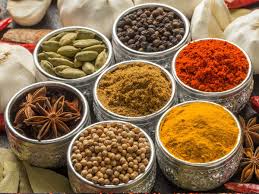
Indian Spice is a wonderful thing. It is something that makes Indian food taste delicious. People in India have been using spices for a very long time. They are like magic ingredients that turn simple food into something special.
Spices are usually made from plants. They can come from the seeds, leaves, or roots of these plants. Some spices are hot and make your mouth feel tingly, while others are mild and add flavor without the heat.
One of the most famous Indian spices is called “curry.” It’s not just one spice, but a mix of many spices that are ground up together. Curry can be spicy, but it can also be mild, depending on how it’s made. It’s used in many Indian dishes like curry chicken or curry vegetables.
Another popular Indian spice is “turmeric.” It’s a bright yellow spice that adds color and flavor to food. It’s also known for its health benefits. People in India have used turmeric for centuries to help with things like digestion and reducing inflammation.
“Cumin” is another spice that’s commonly used in Indian cooking. It has a warm, earthy flavor and is often found in dishes like rice, soups, and stews. It gives food a unique taste that’s hard to describe but easy to love.
“Cardamom” is a sweet and fragrant spice. It’s often used in desserts like Indian rice pudding or in some types of tea. It gives these treats a wonderful aroma and taste.
“Ginger” is a spice with a zesty kick. It can be used fresh or dried, and it adds a spicy warmth to dishes. Ginger is often used in curries, stir-fries, and even in some Indian sweets.
“Chili peppers” are for those who like their food really spicy. They come in different shapes and sizes, and the smaller ones are usually hotter. Indians love to use chili peppers to add heat to their dishes. Be careful, though, as they can make your mouth feel like it’s on fire!
“Coriander” is a spice with a citrusy, slightly sweet flavor. Both the seeds and the fresh leaves (called cilantro) are used in Indian cooking. It’s found in everything from chutneys to curries.
These are just a few of the many spices you can find in Indian cuisine. Each one adds its own special touch to a dish. Some dishes use just a few spices, while others use a whole mix of them to create complex flavors.
In India, spices aren’t just for flavor; they also have cultural and medicinal significance. Many Indian families have their own spice blends that have been passed down through generations. These blends are like secret family recipes, and they make each family’s dishes unique.
Spices are also used in traditional Ayurvedic medicine in India. They are believed to have healing properties and are used to treat various ailments.
In addition, Indian Spice is a treasure trove of flavors that has captivated taste buds for centuries. Whether you like it mild or fiery hot, there’s a spice for everyone in Indian cuisine. So, the next time you savor a delicious Indian meal, remember the magic of Indian spices that make it so special.
Read Also: How often you need to Change Water in your Fish Farm
19 Health Benefits of Indian Spice
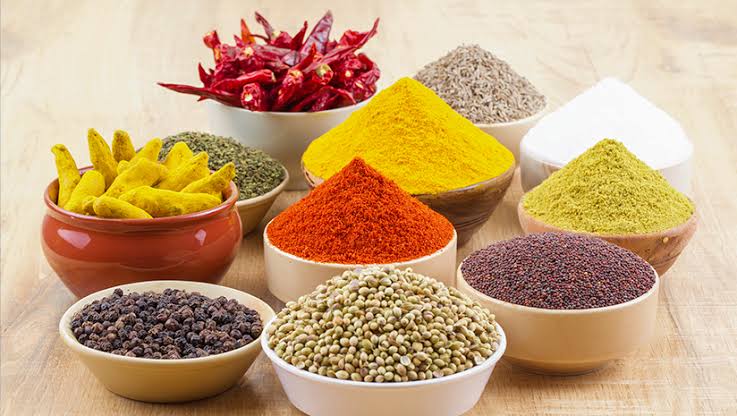
Indian spices are not just flavorful; they also offer numerous health benefits. Here are 19 of them:
1. Digestive Aid: Many Indian spices like ginger and cumin can aid in digestion, reducing indigestion and bloating.
2. Anti-Inflammatory: Turmeric, with its active compound curcumin, has potent anti-inflammatory properties that can help with various inflammatory conditions.
3. Antioxidant: Spices like cinnamon and cloves are rich in antioxidants, which combat free radicals in the body.
4. Heart Health: Certain spices, such as cardamom and fenugreek, can help lower blood pressure and reduce the risk of heart disease.
5. Blood Sugar Control: Cinnamon is known to improve insulin sensitivity and regulate blood sugar levels.
6. Weight Management: Some spices, like black pepper and cayenne, may help boost metabolism and aid in weight management.
7. Pain Relief: Cloves have analgesic properties and can provide relief from toothaches and sore throats.
8. Respiratory Health: Spices like black cardamom and cloves can help alleviate respiratory issues and coughs.
9. Anti-Cancer: Turmeric’s curcumin has shown potential in preventing and treating various types of cancer.
10. Anti-Microbial: Spices like garlic and fenugreek have antimicrobial properties that can help fight infections.
11. Improved Brain Health: Curcumin may enhance brain function and reduce the risk of neurodegenerative diseases like Alzheimer’s.
12. Anti-Aging: Antioxidant-rich spices can slow down the aging process by reducing oxidative stress.
13. Immune Boost: Spices like black pepper can enhance the absorption of nutrients and strengthen the immune system.
14. Anti-Allergic: Some spices, like turmeric and ginger, can help reduce allergic reactions and symptoms.
15. Gut Health: Cumin, in particular, can support a healthy gut by promoting the growth of beneficial gut bacteria.
16. Better Skin: Turmeric can improve skin health by reducing acne and promoting a natural glow.
17. Liver Health: Spices like coriander and turmeric aid in detoxifying the liver.
18. Bone Health: Some Indian spices, such as fenugreek and cumin, contain minerals that support bone health.
19. Stress Reduction: The aroma of certain spices, like cardamom and saffron, can have a calming effect, reducing stress and anxiety.
Incorporating these spices into your diet can not only add exciting flavors to your meals but also contribute to your overall well-being. However, it’s important to use them in moderation and consult with a healthcare professional, especially if you have specific health concerns or are taking medications.
Scientific Evidence and Case Studies on Indian Spice
1. Anti-Inflammatory Benefits: Spices like turmeric and ginger contain curcumin and gingerol, which studies show reduce inflammation markers, potentially easing symptoms of arthritis and inflammatory conditions.
2. Antioxidant Activity: Cumin, coriander, and cloves in Indian spice blends are rich in antioxidants. Research indicates they combat oxidative stress, protecting cells from damage linked to chronic diseases.
3. Digestive Health Improvement: Fennel, cardamom, and asafoetida have been shown to stimulate digestive enzymes, improving nutrient absorption and alleviating bloating or indigestion, per studies.
4. Antimicrobial Properties: Cinnamon and black pepper exhibit antibacterial and antifungal effects, with research demonstrating their ability to inhibit pathogens like E. coli and Candida albicans.
5. Blood Sugar Control: Studies suggest fenugreek and cinnamon in Indian spice mixes may enhance insulin sensitivity and lower blood glucose levels, aiding in diabetes management.
Spice Indian Cuisine
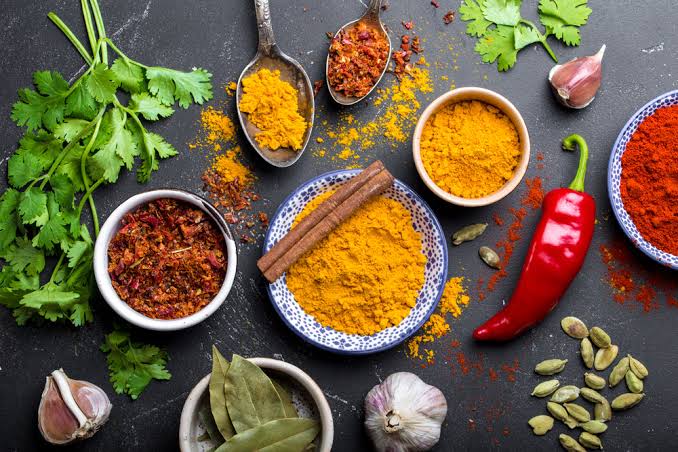
Spice Indian Cuisine is a delightful and flavorful type of food. It comes from India, a large and beautiful country in Asia. Indian food is famous all around the world for its rich taste and variety.
One of the most important things in Indian cuisine is spices. Spices are special ingredients that make the food taste amazing. There are many kinds of spices used in Indian cooking, like turmeric, cumin, and cardamom. These spices give Indian food its unique and tasty flavors.
Indian cuisine has a wide range of dishes. You can find both vegetarian and non-vegetarian options. Vegetarian dishes often include vegetables, lentils, and beans. Some popular vegetarian dishes are Chana Masala, made with chickpeas, and Saag Paneer, which has a creamy spinach sauce with cubes of cheese.
For those who enjoy meat, Indian cuisine offers a variety of options too. Chicken Tikka Masala is a favorite, with tender pieces of chicken in a rich tomato-based sauce. Lamb curry is also a delicious choice, with tender pieces of lamb cooked with aromatic spices.
Indian bread is another essential part of the meal. Naan is a soft, fluffy bread that is cooked in a special oven called a tandoor. It’s perfect for scooping up the delicious sauces and curries. Roti is another kind of bread, thinner and made on a hot griddle.
In Indian cuisine, there’s a balance of flavors. You can find dishes that are spicy, sweet, sour, and even a combination of these tastes. Indian chefs use their skills to mix these flavors perfectly, making every dish a memorable experience.
If you have a sweet tooth, don’t miss out on Indian desserts. Gulab Jamun, for instance, are small, sweet, and spongy balls soaked in a sugary syrup. And who can resist the creamy delight of Indian ice cream, known as Kulfi?
Indian cuisine is not just about the food; it’s also about the culture and traditions. In India, food is a way of bringing people together. Families and friends often gather to share meals and celebrate special occasions with a wide variety of dishes.
So, if you want to explore a world of incredible flavors, Spice Indian Cuisine is a fantastic choice. With its rich history, diverse dishes, and the magical touch of spices, it’s no wonder that Indian food is loved by people all over the globe. Try it for yourself, and you’ll embark on a delicious journey through the heart of India’s culinary treasures.
Read Also: Recommended Volume of Water for Fish Farming on a Concrete Pond
Indian Spice Box
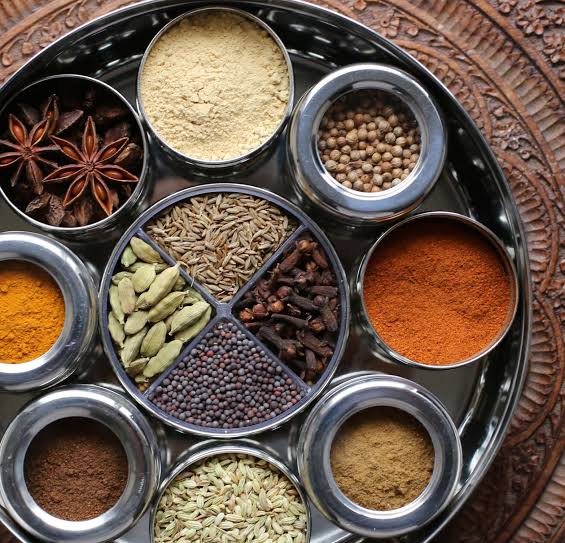
An Indian Spice Box, often called a “masala dabba” in Hindi, is a special container used in Indian kitchens to store a variety of spices. This box is like a treasure chest of flavors, and it plays a significant role in Indian cooking. Let’s explore the magic of the Indian Spice Box and why it’s so essential in Indian cuisine.
An Indian Spice Box is a circular metal container with multiple small compartments inside. These compartments are usually round or square and have individual lids. The box usually has a tight-fitting lid to keep the spices fresh and prevent them from losing their aroma.
Why is Indian Spice Box Important
1. Organized Storage: Indian cuisine relies on a vast array of spices, and the spice box helps keep them organized. Each spice has its own dedicated compartment, making it easy to find and use the right one while cooking.
2. Preserves Freshness: Spices are sensitive to light, air, and moisture, which can cause them to lose their flavor over time. The airtight compartments of the spice box help preserve the freshness and aroma of the spices.
3. Convenience: Having all essential spices in one place saves time during cooking. Indian Spice Boxes often include commonly used spices like cumin, coriander, turmeric, and garam masala, making it convenient for everyday cooking.
4. Traditional Heritage: The use of the masala dabba is deeply rooted in Indian culture. It symbolizes the importance of spices in Indian cuisine and is often passed down through generations, carrying family traditions.
5. Enhanced Flavor: Indian cooking is all about layering flavors. With the spice box, it’s easy to access a variety of spices quickly, allowing chefs to create dishes with complex and well-balanced flavors.
What Spices are Found in an Indian Spice Box?
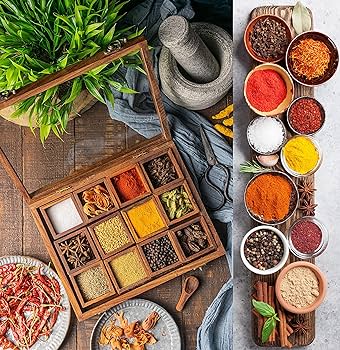
The spices found in an Indian Spice Box may vary depending on regional preferences and personal taste. However, some common spices often included are:
1. Cumin Seeds: Known for their earthy and nutty flavor.
2. Coriander Seeds: Adds a citrusy and slightly sweet note.
3. Turmeric Powder: Provides a vibrant yellow color and mild flavor.
4. Garam Masala: A blend of spices that adds warmth and complexity.
5. Mustard Seeds: Adds a pungent and tangy flavor.
6. Red Chili Powder: For heat and a fiery kick.
7. Fenugreek Seeds: Offers a slightly bitter taste.
8. Cardamom Pods: Adds a floral and sweet aroma.
9. Cloves: Imparts a strong, sweet, and aromatic flavor.
10. Cinnamon Sticks: Provides a warm and woody note.
The Indian Spice Box, or masala dabba, is an indispensable tool in Indian cooking. It embodies the essence of Indian cuisine, where the right combination of spices can turn a simple dish into a flavorful masterpiece. This humble box not only keeps spices fresh and organized but also connects generations through the shared love of food and tradition. So, if you ever step into an Indian kitchen, don’t be surprised to find this small yet mighty box at the heart of every delicious meal.
Frequently Asked Questions About Indian Spice
1. What are Indian spices?
Indian spices are a variety of seasonings like turmeric, cumin, coriander, cardamom, and chili powder, used to add flavor, aroma, and color to Indian dishes.
2. How are Indian spices used in cooking?
They are used whole, ground, or roasted in curries, dals, rice dishes, or marinades to create complex, flavorful profiles in savory and some sweet dishes.
3. Are Indian spices good for health?
Yes, many provide antioxidant, anti-inflammatory, and digestive benefits, but overuse, especially of spicy varieties, may cause irritation or digestive discomfort.
4. How should Indian spices be stored?
Keep them in airtight containers in a cool, dry place away from sunlight to maintain flavor and potency for up to a year or more.
5. Can Indian spices be used in non-Indian recipes?
Yes, they enhance global dishes like soups, stews, roasted vegetables, or even baked goods, adding depth and unique flavors.
6. Do Indian spices lose potency over time?
Yes, ground spices fade faster than whole ones. Fresh spices have a strong aroma and vibrant color, indicating potency.
7. Are Indian spices safe for everyone?
Most people can use them safely, but those with specific spice allergies or sensitive stomachs should use caution and consult a doctor if needed.
8. Can Indian spices cause side effects?
Excessive use may lead to heartburn, stomach upset, or interactions with medications like blood thinners, particularly with turmeric or ginger.
9. Which Indian spice is most versatile?
Cumin is highly versatile, adding earthy warmth to curries, soups, and even Western dishes like chili or roasted vegetables.
10. How can I tell if Indian spices are fresh?
Fresh spices have a strong, distinct aroma and bright color. If the scent is weak or the color dull, they may have lost potency.
Do you have any questions, suggestions, or contributions? If so, please feel free to use the comment box below to share your thoughts. We also encourage you to kindly share this information with others who might benefit from it. Since we can’t reach everyone at once, we truly appreciate your help in spreading the word. Thank you very much for your support and for sharing!
Disclaimer: This article is for educational and informational purposes only. The health benefits described are based on scientific research and traditional knowledge. They are not a substitute for professional medical advice, diagnosis, or treatment. Always consult a healthcare professional before using any herb or natural remedy for medical purposes.
Read Also: Used Cooking Oil Recycling Process: Complete Guide