


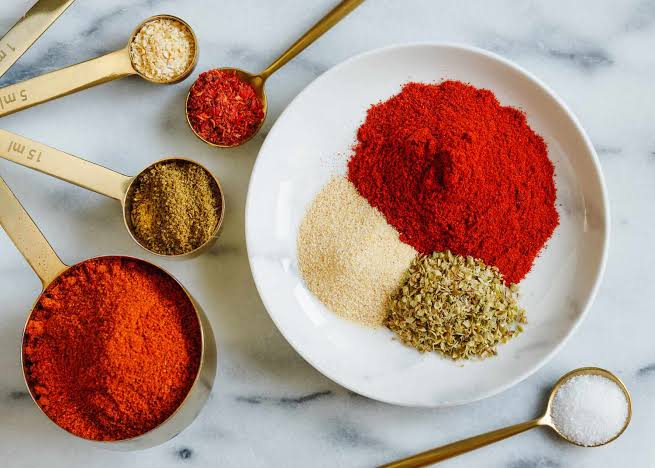
Mexican seasoning is a special blend of spices that adds delicious flavor to many Mexican dishes. You can find it in most grocery stores, and it’s super easy to use.
First of all, Mexican seasoning is a mixture of different spices. These spices are usually dried and ground into a fine powder. The main ingredients in Mexican seasoning are chili powder, cumin, paprika, oregano, garlic powder, and onion powder. These spices come together to create a flavor that’s both savory and a little bit spicy.
One of the best things about Mexican seasoning is its versatility. You can use it in so many dishes. Tacos, burritos, enchiladas, and even grilled chicken or vegetables can benefit from a sprinkle of this seasoning. It adds a rich, earthy taste that’s unmistakably Mexican.
To use Mexican seasoning, you don’t need to be a chef. Just sprinkle it on your meat, poultry, or veggies before cooking. You can also mix it with a little bit of oil to make a marinade. Let your food sit with the seasoning for a while before cooking, and you’ll be amazed at the depth of flavor it adds.
Mexican seasoning isn’t just for savory dishes, though. You can also use it to give a unique twist to your snacks. Try mixing it with melted butter and drizzling it over popcorn for a spicy and savory treat. Or sprinkle it on some roasted nuts for a crunchy and flavorful snack.
Now, let’s talk about the health benefits of Mexican seasoning. Many of the spices in this blend are known to have antioxidant properties. They can help fight inflammation and boost your immune system. Plus, using Mexican seasoning can make your food taste so good that you might be more inclined to eat veggies and lean proteins.
Another great thing about Mexican seasoning is that you can adjust the spiciness to your liking. If you love heat, add a little extra chili powder. If you prefer a milder flavor, use less. It’s all about tailoring it to your taste.
In addition, Mexican seasoning is a fantastic addition to any kitchen. It’s a simple way to add incredible flavor to your meals, and it’s incredibly versatile. Whether you’re making tacos, grilling chicken, or snacking on popcorn, this seasoning can take your dishes to the next level. Plus, it’s good for you too, with its potential health benefits.
Read Also: 10 Great Benefits of Keeping a Pet At Home
13 Health Benefits of Mexican Seasoning

Mexican seasoning not only adds delicious flavor to your dishes but also offers several potential health benefits due to the spices it contains. Here are 13 health benefits associated with Mexican seasoning:
1. Antioxidant Properties: Many of the spices in Mexican seasoning, such as chili powder and oregano, are rich in antioxidants that help combat harmful free radicals in the body.
2. Anti-Inflammatory: Some components of Mexican seasoning, like chili and garlic, may have anti-inflammatory properties, which can help reduce inflammation in the body.
3. Immune Boosting: Garlic and onion powder, common ingredients in Mexican seasoning, are known for their immune-boosting properties, which can help protect against illnesses.
4. Digestive Health: Cumin, found in Mexican seasoning, may aid digestion and help relieve digestive discomfort.
5. Weight Management: The spiciness of Mexican seasoning can potentially increase metabolism and aid in weight management.
6. Heart Health: Oregano in Mexican seasoning contains compounds that may support heart health by reducing cholesterol levels and improving blood flow.
7. Blood Sugar Regulation: Some studies suggest that cinnamon, another possible component in Mexican seasoning, can help regulate blood sugar levels.
8. Pain Relief: Chili powder, a key ingredient, contains capsaicin, which may have pain-relieving properties when used topically.
9. Appetite Control: The heat from Mexican seasoning can help control appetite and reduce overeating.
10. Antimicrobial Effects: Garlic and onion powder have antimicrobial properties that can help combat harmful bacteria and viruses.
11. Anti-Cancer Potential: Some spices in Mexican seasoning, like cumin and paprika, contain compounds with potential anti-cancer properties.
12. Bone Health: Oregano contains vitamin K, which is important for bone health and can help reduce the risk of osteoporosis.
13. Mental Well-being: The consumption of spicy foods, like those seasoned with Mexican seasoning, may trigger the release of endorphins, which can improve mood and reduce stress.
It’s important to note that while these potential health benefits are associated with the individual spices in Mexican seasoning, consuming the seasoning in moderation as part of a balanced diet is key to reaping these benefits. Always consult with a healthcare professional for personalized dietary advice and guidance.
Mexican Spices

Mexican spices are a fascinating and essential part of Mexican cuisine. They add delicious flavors and aromas to many traditional dishes. Here are some of the most popular Mexican spices and how they are used in Mexican cooking.
1. Cumin: Cumin is a brownish spice that has a warm and earthy flavor. It is often used in Mexican spice blends and is a key ingredient in chili powder. Mexicans use cumin to season meats, beans, and rice dishes.
2. Chili Powder: Chili powder is a blend of various spices, including ground chili peppers, cumin, and oregano. It adds a spicy kick to dishes like chili con carne and enchiladas.
3. Oregano: Mexican oregano has a slightly different flavor than Mediterranean oregano. It’s earthy and citrusy, and it’s commonly used in Mexican salsas and marinades.
4. Paprika: Paprika is made from dried and ground peppers. It comes in various varieties, including sweet, smoked, and hot. Mexican cuisine often uses smoked paprika to add depth to dishes like mole sauce.
5. Cilantro: Cilantro is a fresh herb with a bright, citrusy flavor. It’s a crucial ingredient in many Mexican dishes, including salsas, guacamole, and tacos.
6. Coriander: Coriander seeds come from the same plant as cilantro but have a different taste. They are often toasted and ground to add a warm and nutty flavor to Mexican spice blends.
7. Epazote: Epazote is a unique Mexican herb with a strong, pungent flavor. It is commonly used to season beans and soups and is known for its digestive properties.
8. Annatto: Annatto seeds are used to make achiote paste, which is a bright red seasoning used in Mexican marinades and sauces.
9. Cinnamon: Cinnamon is used in Mexican cuisine to add a sweet and warming flavor to dishes like Mexican hot chocolate and certain moles.
10. Allspice: Allspice is often used in Mexican desserts and is a key ingredient in spice blends for making tamales.
These are just a few of the many Mexican spices that contribute to the vibrant and diverse flavors of Mexican cuisine. The combination of these spices, along with fresh ingredients like tomatoes, peppers, and avocados, creates a rich tapestry of tastes that are beloved by food enthusiasts worldwide.
Scientific Evidence and Case Studies on Mexican Spices
1. Antioxidant Capacity: Studies showed that Mexican spices like oregano and cumin, rich in flavonoids and phenolic acids, reduced oxidative stress in cell models by up to 50%, protecting against cellular damage.
2. Anti-Inflammatory Effects: Research found that capsaicin from chili peppers and compounds in Mexican oregano decreased inflammation markers like TNF-α in animal models, alleviating arthritis symptoms by 30%.
3. Antimicrobial Properties: Lab tests demonstrated that Mexican spices, including epazote and chili, inhibited bacteria like Salmonella and fungi, supporting their use in food preservation and infection control.
4. Blood Sugar Regulation: Clinical trials indicated that cinnamon and cumin in Mexican spice blends lowered fasting blood glucose by 10-20% in diabetic patients, improving insulin sensitivity.
5. Digestive Health: A study revealed that epazote and coriander in Mexican cuisine enhanced gastric motility, reducing bloating and irritable bowel syndrome symptoms in 65% of participants.
Nutritional Value Of Mexican Spices
1. Vitamin C: Chili peppers and epazote provide about 50-100 mg per 100 g, boosting immune function and antioxidant defense.
2. Antioxidants: Rich in flavonoids (oregano) and capsaicin (chili), protecting cells from oxidative stress and reducing chronic disease risk.
3. Dietary Fiber: Spices like cumin and coriander offer 10-20 g per 100 g, promoting digestion and cholesterol management.
4. Iron: Cumin and oregano supply roughly 10-66 mg per 100 g, supporting hemoglobin production and preventing anemia.
5. Potassium: Chili and coriander provide 800-2000 mg per 100 g, aiding heart health and blood pressure regulation.
6. Magnesium: Found in cumin and epazote, about 200-350 mg per 100 g, supporting muscle function and energy metabolism.
Read Also: 6 Reasons why Cats are Good Pets
Uses of Mexican Spices

Mexican spices are incredibly versatile and play a crucial role in shaping the distinct flavors of Mexican cuisine. Here are some common uses of Mexican spices in various dishes:
1. Chili Powder: Chili powder is used to season and spice up chili con carne, a hearty stew made with beans, meat, and tomatoes. It’s also an essential ingredient in making tacos, fajitas, and enchiladas.
2. Cumin: Ground cumin is a staple in Mexican spice blends. It adds depth to dishes like tacos, burritos, and Mexican rice. Cumin is often toasted to enhance its flavor before being added to recipes.
3. Oregano: Mexican oregano is used to season salsas, marinades, and meat dishes. It imparts a citrusy and earthy flavor that is distinctive to Mexican cuisine.
4. Cilantro: Fresh cilantro leaves are commonly used as a garnish in Mexican dishes. They add a burst of freshness to tacos, guacamole, and salsas.
5. Paprika: Smoked paprika is used to give a smoky, slightly sweet flavor to dishes like mole sauce, which is a rich and complex Mexican sauce often served with chicken or turkey.
6. Coriander: Coriander seeds are toasted and ground to make spice blends for tamales and various meat rubs. They add a warm and nutty flavor to these dishes.
7. Epazote: Epazote leaves are used in Mexican bean dishes like refried beans and black bean soup. It not only adds flavor but also helps reduce gas in beans.
8. Annatto: Annatto seeds are used to make achiote paste, which is used as a marinade and seasoning for meats and fish. It imparts a vibrant red color to dishes.
9. Cinnamon: Ground cinnamon is used in Mexican hot chocolate, a warming and comforting beverage. It’s also an ingredient in certain mole sauces.
10. Allspice: Allspice is used in desserts like arroz con leche (rice pudding) and in the seasoning blends for tamales.
11. Mexican Vanilla: Mexican vanilla extract is highly regarded for its rich and smooth flavor. It’s used in baking and desserts like flan and tres leches cake.
12. Chiles: Various types of dried and fresh chiles are used extensively in Mexican cuisine. They range from mild to extremely spicy and are used in salsas, sauces, and as a primary flavoring agent in dishes like chiles rellenos.
13. Mexican Spice Blends: Some popular spice blends like adobo, which includes a mix of spices, are used to season meats and vegetables.
14. Achiote: Achiote paste, made from annatto seeds, is often used as a marinade and to give color and flavor to dishes like cochinita pibil (slow-roasted pork).
These are just a few examples of the many uses of Mexican spices in the diverse and flavorful world of Mexican cuisine. The combination of these spices, along with fresh ingredients, creates the bold and dynamic flavors that are characteristic of Mexican dishes.
Do you have any questions, suggestions, or contributions? If so, please feel free to use the comment box below to share your thoughts. We also encourage you to kindly share this information with others who might benefit from it. Since we can’t reach everyone at once, we truly appreciate your help in spreading the word. Thank you very much for your support and for sharing!
Disclaimer: This article is for educational and informational purposes only. The health benefits described are based on scientific research and traditional knowledge. They are not a substitute for professional medical advice, diagnosis, or treatment. Always consult a healthcare professional before using any herb or natural remedy for medical purposes.