


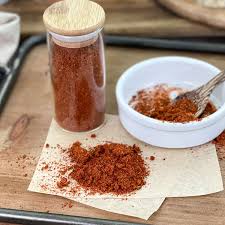
Tajin Seasoning is a special mix of spices and flavors that makes food taste better and sweet. People use it to add a yummy and sweet taste to their meals.
Tajin Seasoning is famous for its tangy taste. It’s made from a blend of chili peppers, lime, and salt. These ingredients work together to create a burst of flavor that wakes up your taste buds and makes your mouth tingle with delight.
Imagine biting into a juicy slice of watermelon. It’s sweet, but when you sprinkle Tajin Seasoning on it, it becomes even more exciting. The spicy chili, sour lime, and salty goodness turn a simple fruit into a flavor explosion. It’s like a party in your mouth!
But Tajin isn’t just for fruit. You can use it on lots of things. Sprinkle it on popcorn, and suddenly, your movie night is a spicy adventure. Add it to your grilled chicken, and your taste buds will thank you. You can even use it to rim your margarita glass for a zesty twist to your cocktail.
One of the best things about Tajin Seasoning is that it’s easy to find in most grocery stores. It comes in a little bottle with a bright orange label, so you can spot it from a mile away. Just grab it from the spice aisle, and you’re ready to jazz up your meals.
Tajin Seasoning isn’t just tasty; it’s also versatile. You can use it to make all kinds of dishes more interesting. It’s like a flavor superhero that can rescue your bland meals and turn them into something extraordinary.
So, the next time you want to add some pizzazz to your food, reach for the Tajin Seasoning. It’s a simple way to make your taste buds dance with joy. Give it a try, and you’ll see why people all around the world love this tasty spice mix.
Read Also: 4 Ways of Caring for a Fruit Tree for High Production
18 Health Benefits of Tajin Seasoning
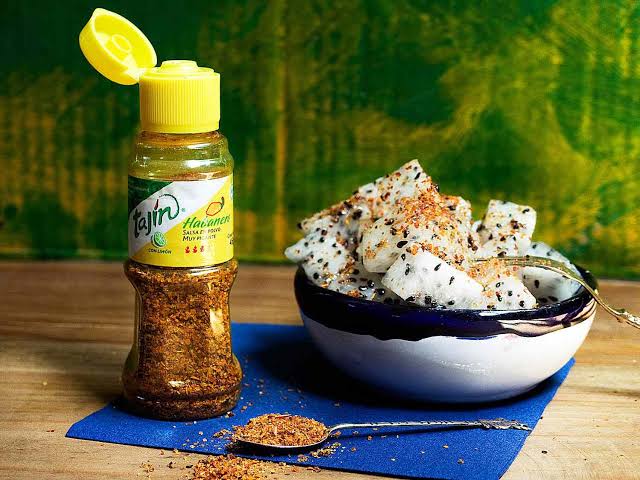
Tajin Seasoning is more than just a flavor enhancer; it also offers some potential health benefits. Here are 18 health benefits of Tajin Seasoning:
1. Low in Calories: Tajin Seasoning is low in calories, making it a great choice for those looking to manage their weight.
2. Rich in Vitamin C: The lime in Tajin Seasoning is a good source of vitamin C, which supports a healthy immune system.
3. Boosts Immunity: Vitamin C also helps your body fight off infections and illnesses.
4. Improves Digestion: The spices in Tajin can aid digestion and reduce bloating.
5. Anti-Inflammatory: Chili peppers in Tajin contain capsaicin, which has anti-inflammatory properties.
6. May Aid Weight Loss: Some studies suggest that capsaicin may boost metabolism and help with weight loss.
7. Heart Health: Tajin’s low sodium content can help maintain healthy blood pressure levels.
8. Potassium: The seasoning contains potassium, which is essential for heart health and regulating blood pressure.
9. Antioxidants: Chili peppers are rich in antioxidants that combat free radicals in the body.
10. Pain Relief: Capsaicin may provide pain relief when applied topically.
11. Improved Circulation: Spicy foods like Tajin can promote better blood circulation.
12. Cancer Prevention: Some research indicates that capsaicin may have cancer-fighting properties.
13. Anti-Bacterial: Lime and chili peppers in Tajin have natural antibacterial properties.
14. Stress Reduction: Spicy foods can trigger the release of endorphins, reducing stress.
15. Appetite Control: Tajin’s spicy kick may help control appetite and reduce overeating.
16. Bone Health: Lime provides some calcium, which is essential for strong bones.
17. Better Skin: Vitamin C in Tajin supports collagen production for healthy skin.
18. Balanced Electrolytes: Tajin’s sodium and potassium balance can help prevent muscle cramps.
Scientific Evidence and Case Studies on Indian Spice
1. Anti-Inflammatory Effects: Many Indian spices, like turmeric and ginger, contain curcumin and gingerol, which studies show reduce inflammation markers, potentially easing symptoms of arthritis and other inflammatory conditions.
2. Antioxidant Properties: Spices such as cumin, coriander, and cloves are rich in antioxidants. Research indicates they neutralize free radicals, protecting cells from oxidative damage linked to aging and chronic diseases.
3. Digestive Health Support: Indian spices like fennel and cardamom have been shown to stimulate digestive enzymes, improving nutrient absorption and reducing bloating or indigestion, per studies.
4. Antimicrobial Activity: Spices like cinnamon and black pepper exhibit antibacterial and antifungal properties, with research demonstrating their ability to inhibit pathogens like Salmonella and Candida.
5. Blood Sugar Regulation: Studies suggest spices like fenugreek and cinnamon may improve insulin sensitivity and lower blood sugar levels, supporting management of diabetes.
Uses of Tajin Seasoning
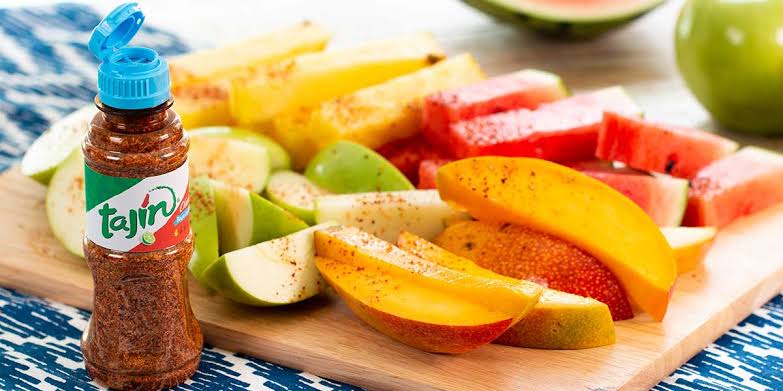
Tajin Seasoning is incredibly versatile and can be used in various ways to add a burst of flavor to your dishes. Here are some common uses:
1. Fruit Enhancement: Sprinkle Tajin on fruits like watermelon, mango, pineapple, and oranges for a zesty and tangy flavor twist.
2. Popcorn Seasoning: Sprinkle Tajin on freshly popped popcorn for a spicy and savory movie-night snack.
3. Grilled Meats: Use Tajin as a seasoning for grilled chicken, steak, or seafood to add a spicy and citrusy kick.
4. Rim for Cocktails: Dampen the rim of your margarita or cocktail glass and dip it in Tajin to give your drinks a flavorful and spicy edge.
5. Vegetable Seasoning: Sprinkle Tajin on vegetables like corn on the cob, cucumbers, or jicama for a tasty and refreshing snack.
6. Avocado Toast: Spread avocado on toast and top it with Tajin for a spicy and creamy treat.
7. Salad Dressing: Mix Tajin with lime juice, olive oil, and honey to create a unique and tangy salad dressing.
8. Taco and Burrito Topping: Use Tajin as a topping for tacos, burritos, or fajitas to add a burst of flavor without the need for extra salt.
9. Salsa Enhancer: Add a pinch of Tajin to your homemade or store-bought salsa for an extra kick.
10. Potato Chips: Sprinkle Tajin on potato chips or french fries for a spicy and savory snack.
11. Pasta Seasoning: Mix Tajin with olive oil and toss it with cooked pasta for a quick and flavorful pasta dish.
12. Soup Garnish: Sprinkle Tajin on top of soups, especially those with a tomato or vegetable base, for added flavor.
13. Egg Topping: Sprinkle Tajin on scrambled eggs or fried eggs for a spicy breakfast kick.
14. Roasted Nuts: Coat roasted nuts with a mixture of Tajin and a touch of honey for a sweet and spicy snack.
15. Rice and Grain Seasoning: Mix Tajin into rice, quinoa, or couscous for a flavorful side dish.
16. Ceviche: Use Tajin as a seasoning for seafood ceviche to enhance the citrusy flavors.
17. Marinades: Combine Tajin with olive oil, garlic, and other seasonings to create flavorful marinades for meat or vegetables.
18. Pizza Topping: Sprinkle Tajin on your pizza for a spicy and unconventional pizza experience.
These are just a few creative ways to use Tajin Seasoning, but the possibilities are nearly endless. Feel free to experiment and discover your favorite ways to incorporate this flavorful spice blend into your culinary creations.
Read Also: Planting, Growing and Harvesting Grapes
Tajin Spice
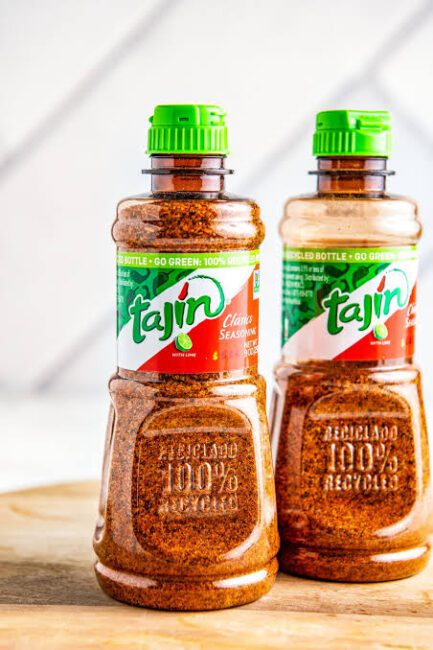
Tajin Spice is a special kind of spice that many people love to use. It is not like regular salt or pepper, it’s a mix of exciting flavors that can make your food taste super delicious.
First of all, Tajin Spice comes from Mexico, which is a country known for its tasty food. It’s made from chili peppers, salt, and dehydrated lime juice.
These ingredients might sound fancy, but they work together to create a magical taste that’s both a little spicy and a little tangy. One of the great things about Tajin Spice is that it’s super versatile. You can sprinkle it on lots of different foods to make them taste better. Here are some ideas:
1. Fruits: Try sprinkling Tajin Spice on fruits like watermelon, mangoes, or oranges. It adds a zesty kick to the sweetness of the fruit.
2. Vegetables: If you like veggies, you can use Tajin Spice on cucumber slices, corn on the cob, or even on your favorite salads. It gives them a burst of flavor.
3. Snacks: Popcorn, potato chips, and even roasted nuts can become tastier when you add a little Tajin Spice.
4. Meat and Seafood: Use Tajin Spice as a rub for chicken, fish, or shrimp before cooking them. It gives your proteins a unique twist.
5. Drinks: Some people even put Tajin Spice on the rim of their glasses when they make cocktails or mocktails. It’s a fun way to spice up your drinks.
Tajin Spice is like a flavor magician that can make almost anything taste better. Plus, it’s not too hot, so even if you’re not a fan of super spicy stuff, you can still enjoy it.
In Mexico, Tajin Spice is very popular, and you’ll find it in many homes and restaurants. It’s a simple way to make your food more exciting, and it’s a taste that lots of people around the world are starting to discover.
So, if you’re looking to add some extra yumminess to your meals, give Tajin Spice a try. You’ll be amazed at how this simple little spice can turn your food into a tasty adventure.
Frequently Asked Questions About Indian Spice
1. What are Indian spices?
Indian spices are a diverse group of seasonings like turmeric, cumin, coriander, cardamom, and chili, used to add flavor, aroma, and color to Indian cuisine.
2. How are Indian spices used in cooking?
They are used whole, ground, or roasted in curries, rice dishes, marinades, or chutneys to enhance taste and create complex flavor profiles.
3. Are Indian spices healthy?
Yes, many offer antioxidant, anti-inflammatory, and digestive benefits, but excessive use, especially of chili-based spices, may cause irritation or digestive issues.
4. How should Indian spices be stored?
Store in airtight containers in a cool, dry place away from sunlight to preserve flavor and potency for up to a year or more.
5. Can Indian spices be used in non-Indian dishes?
Yes, they add depth to global dishes like soups, roasted vegetables, or even desserts, such as cinnamon in baked goods.
6. Do Indian spices lose their flavor over time?
Yes, ground spices lose potency faster than whole ones. Freshly ground or recently purchased spices offer the best flavor.
7. Are Indian spices safe for everyone?
Most people can use them safely, but those with allergies to specific spices or sensitive stomachs should use caution and consult a doctor if needed.
8. Can Indian spices cause side effects?
Overuse may lead to digestive discomfort, heartburn, or interactions with medications like blood thinners, especially with spices like turmeric or ginger.
9. Which Indian spice is best for health?
Turmeric, due to its curcumin content, is widely studied for its anti-inflammatory and antioxidant benefits, but all spices offer unique health properties.
10. How can I tell if Indian spices are fresh?
Fresh spices have a strong aroma and vibrant color. If the scent is weak or the color faded, they may have lost potency
Do you have any questions, suggestions, or contributions? If so, please feel free to use the comment box below to share your thoughts. We also encourage you to kindly share this information with others who might benefit from it. Since we can’t reach everyone at once, we truly appreciate your help in spreading the word. Thank you very much for your support and for sharing!
Disclaimer: This article is for educational and informational purposes only. The health benefits described are based on scientific research and traditional knowledge. They are not a substitute for professional medical advice, diagnosis, or treatment. Always consult a healthcare professional before using any herb or natural remedy for medical purposes.
Read Also: Rumpke Recycling Services Complete Guide