


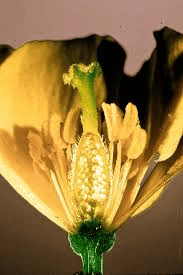
Lettuce Ovary, a crucial part of the lettuce plant’s reproductive system, plays a key role in the development of seeds. Found in the flower structure of lettuce (Lactuca sativa), the ovary is the female reproductive organ where fertilization occurs and seeds are formed. This article provides a detailed description of the lettuce ovary, including its structure, function, and development.
Lettuce is an annual plant, meaning it completes its life cycle in a single growing season. The plant produces flowers that are arranged in a cluster called a head. Each flower is a composite, meaning it’s made up of several smaller flowers grouped together. The ovary of the lettuce flower is located in the pistil, which is the female part of the flower. The pistil consists of the stigma, style, and ovary. The ovary is located at the base of the pistil and houses the ovules, which are the potential seeds.
The structure of the lettuce ovary is typically small and spherical or oval-shaped. It is composed of three main parts: the ovary wall, the ovules, and the placenta. The ovary wall is a protective layer that encloses the ovules. This wall is made up of several layers of cells that contribute to the ovary’s overall strength and structure.
The ovules are the structures that develop into seeds once fertilization occurs. Inside the ovary, the ovules are attached to the ovary wall by a structure called the placenta. The placenta provides nutrients to the developing ovules and plays a role in their growth and maturation.
Fertilization in lettuce occurs when pollen from the male parts of the flower (the stamens) reaches the stigma of the pistil. The pollen travels down the style to the ovary, where it fertilizes the ovules. This process initiates the development of seeds within the ovary.
Once fertilization is complete, the ovary begins to transform. The ovary wall thickens and becomes a protective seed coat, while the fertilized ovules develop into seeds. This transformation is part of the fruiting process, where the ovary matures into a seed-containing structure.
As the seeds develop, the ovary expands to accommodate them. In lettuce, this expansion results in the formation of a small, dry fruit known as an achene. An achene is a type of fruit where the seed is enclosed in a hard, protective shell. Once the seeds are fully mature, the ovary wall dries out and the fruit opens to release the seeds. This process allows for the dispersal of seeds and the continuation of the lettuce plant’s lifecycle.
The lettuce ovary is also of interest in plant breeding and agricultural practices. Understanding its structure and function helps in breeding programs aimed at improving lettuce varieties. By studying the ovary’s development and fertilization processes, scientists can enhance seed production and crop yields. Additionally, knowledge of the ovary’s role in seed formation is crucial for developing lettuce varieties with desirable traits, such as better resistance to pests and diseases.
The lettuce ovary is a vital component of the plant’s reproductive system. Its structure, including the ovary wall, ovules, and placenta, supports the development of seeds through fertilization and maturation. The ovary’s transformation into a seed-containing fruit is essential for the continuation of the lettuce plant’s lifecycle and is of significant interest in agricultural research and breeding.
The Economic Importance and Uses of Lettuce Ovary

1. Seed Production: The ovary is essential for lettuce seed production as it contains the ovules that, once fertilized, develop into seeds. These seeds are vital for cultivating new lettuce crops.
2. Pollination Support: The ovary plays a crucial role in the pollination process by housing the ovules that need to be fertilized by pollen from the stamens to produce seeds.
3. Herbal Medicine: In traditional herbal medicine, the ovary is sometimes used for its potential mild diuretic and anti-inflammatory properties, although this use is less common.
4. Soil Health: When composted, lettuce ovaries contribute organic matter to the soil, enhancing its fertility and structure.
5. Natural Dyes: The pigments from lettuce ovaries can be extracted and used to create natural dyes for textiles and crafts, offering an eco-friendly alternative to synthetic dyes.
6. Educational Purposes: Lettuce ovaries are used in botanical studies to teach about plant reproduction, including the role of the ovary in seed development.
7. Animal Feed: Finely chopped ovaries can be included in animal feed, offering additional nutrients for livestock and poultry.
8. Decorative Uses: Dried lettuce ovaries can be used in floral arrangements and craft projects, adding unique visual elements and textures.
9. Eco-Friendly Packaging: Processed lettuce ovaries can be used in biodegradable packaging materials, reducing reliance on plastics and supporting sustainability.
10. Mulch: Lettuce ovaries can be used as mulch in garden beds to control soil erosion and retain moisture.
11. Biodiversity Support: Growing lettuce with healthy ovaries supports plant biodiversity, contributing to local ecosystem stability and resilience.
12. Skincare Products: Extracts from lettuce ovaries may be used in skincare products for their potential soothing and anti-inflammatory effects on the skin.
13. Natural Pest Control: Lettuce ovaries can be used in integrated pest management strategies to help deter pests and support sustainable gardening practices.
14. Traditional Crafts: In some cultures, lettuce ovaries are used in traditional crafts and ceremonial activities, reflecting their cultural significance.
15. Plant-Based Fiber: The fibers from lettuce ovaries can be used to create sustainable products and composites, supporting eco-friendly manufacturing.
16. Herbal Infusions: Lettuce ovaries can be used in herbal infusions to offer mild health benefits and unique flavors.
17. Homemade Teas: Dried ovaries can be brewed into herbal teas, providing a calming beverage with potential health benefits.
18. Educational Crafts: Lettuce ovaries are used in educational craft projects to illustrate plant anatomy and reproductive functions.
Read Also: Long Haired Cat Breeds Description and Complete Care Guide
The Products and By-products That Can Be Derived From Lettuce Ovaries

1. Lettuce Seeds: The ovary is crucial for producing lettuce seeds, which are essential for planting and growing new lettuce crops.
2. Natural Dyes: Pigments from lettuce ovaries can be used to create natural dyes for textiles and crafts.
3. Herbal Teas: Dried lettuce ovaries can be brewed to make herbal teas with unique flavors and potential health benefits.
4. Compost: Lettuce ovaries can be composted to enrich soil with organic matter, improving soil quality.
5. Animal Feed: Finely chopped lettuce ovaries can be included in animal feed to provide additional nutrition.
6. Biodegradable Packaging: Processed lettuce ovaries can be used to produce biodegradable packaging materials.
7. Skincare Products: Extracts from lettuce ovaries are incorporated into skincare formulations for their potential soothing and anti-inflammatory effects.
8. Decorative Items: Dried lettuce ovaries can be used in floral arrangements and crafts, adding visual interest and texture.
9. Mulch: Lettuce ovaries can be used as mulch to help control soil erosion and retain moisture in garden beds.
10. Educational Materials: Lettuce ovaries are used in educational settings to teach about plant reproduction and the roles of different plant parts.
11. Herbal Infusions: Infused with water, lettuce ovaries create herbal infusions with mild health benefits and unique flavors.
12. Plant-Based Composites: Fibers from lettuce ovaries can be used in creating plant-based materials and composites for sustainable development.
13. Traditional Crafts: Lettuce ovaries are used in traditional crafts and ceremonies, reflecting their cultural significance.
14. Natural Pest Repellent: Lettuce ovaries can be used to help repel pests in gardens, contributing to integrated pest management strategies.
15. Soil Amendment: Used as a soil amendment or compost ingredient, lettuce ovaries enhance soil health and fertility.
16. Educational Crafts: Lettuce ovaries are used in crafts and activities to demonstrate plant anatomy and reproductive systems.
17. Eco-Friendly Gardening: Lettuce ovaries support sustainable gardening practices by improving soil health and contributing to pest management.
Read Also: Ocicat Cat (Felis catus) Description and Complete Care Guide
Frequently Asked Questions (FAQ’s) About Lettuce Ovaries

1. What are lettuce ovaries?
Lettuce ovaries are the female reproductive parts of the lettuce flower. They house the ovules that, once fertilized by pollen, develop into seeds.
2. How do lettuce ovaries contribute to seed production?
Lettuce ovaries contain ovules that need to be fertilized by pollen from the stamens. This fertilization process leads to the development of seeds, which are essential for growing new lettuce plants.
3. Can lettuce ovaries be used in herbal medicine?
Yes, in traditional herbal medicine, lettuce ovaries are sometimes used for their potential mild diuretic and anti-inflammatory properties, although this use is less common.
4. How can lettuce ovaries be used in natural dyes?
Pigments from lettuce ovaries can be extracted and used to create natural dyes for textiles and crafts, providing an environmentally friendly alternative to synthetic dyes.
5. Are lettuce ovaries beneficial for soil health?
Yes, composting lettuce ovaries adds organic matter to the soil, improving its structure, fertility, and moisture retention.
6. Can lettuce ovaries be used in animal feed?
Yes, finely chopped lettuce ovaries can be included in animal feed to provide additional nutrients for livestock and poultry.
7. How are lettuce ovaries used in decorative projects?
Dried lettuce ovaries can be used in floral arrangements and crafts, where they add unique visual elements and textures.
8. What are the educational uses of lettuce ovaries?
Lettuce ovaries are used in botanical studies to teach about plant reproduction and the role of the ovary in seed development.
9. Can lettuce ovaries be used in skincare products?
Yes, extracts from lettuce ovaries may be used in skincare products for their potential soothing and anti-inflammatory effects.
10. How can lettuce ovaries help in pest control?
Lettuce ovaries can be used in integrated pest management strategies to help deter pests in gardens and agricultural settings, supporting sustainable gardening practices.
Read Also: How to Make Your Own Organic Pesticides