


PawPaw/Papaya sepals are integral components of the PawPaw/Papaya flower structure, contributing significantly to the process of fruit development. These botanical structures, also known as calyx lobes, surround and protect the developing fruit, playing crucial roles in pollination, fertilization, and fruit maturation. Understanding the anatomy and functions of PawPaw/Papaya sepals provides valuable insights into the biology of these tropical fruits.
PawPaw/Papaya, scientifically known as Carica papaya, belongs to the Caricaceae family and is renowned for its delicious and nutritious fruits. The sepals, along with other floral organs such as petals, stamens, and pistils, form the complete flower structure responsible for sexual reproduction in PawPaw/Papaya plants.
The primary function of PawPaw/Papaya sepals is to protect the developing fruit during its initial stages of growth. These green, leaf-like structures enclose and support the immature fruit, shielding it from physical damage, pests, and environmental stressors. Additionally, PawPaw/Papaya sepals play a vital role in attracting pollinators to the flower, contributing to successful fertilization and fruit set.
During the pollination process, PawPaw/Papaya sepals help in the attraction and retention of pollinators such as bees, butterflies, and birds. The vibrant colors and subtle fragrance of the sepals attract these pollinators, encouraging them to visit the flower and transfer pollen between male and female reproductive organs. This transfer of pollen initiates the fertilization process, leading to the development of seeds and fruits.
As the PawPaw/Papaya fruit matures, the sepals undergo changes in color and texture, signaling the readiness of the fruit for harvest. In some varieties, the sepals may remain attached to the mature fruit, while in others, they may wither and fall off naturally.
The presence of sepals on the fruit can affect its appearance and marketability, with consumers often preferring fruits with intact and vibrant sepals as a sign of freshness.
In addition to their protective and reproductive functions, PawPaw/Papaya sepals have cultural and culinary significance in certain regions where the fruit is cultivated.
In traditional medicine and folklore, extracts derived from PawPaw/Papaya sepals are sometimes used for their potential therapeutic properties, although scientific evidence supporting these claims is limited.
Overall, PawPaw/Papaya sepals play essential roles in the development and maturation of PawPaw/Papaya fruits, from protecting the immature fruit to attracting pollinators and signaling fruit ripeness.
Their intricate interactions with other floral organs contribute to the successful reproduction of PawPaw/Papaya plants and the production of flavorful and nutritious fruits enjoyed worldwide.
Understanding the importance of PawPaw/Papaya sepals enhances appreciation for the complex biology of these tropical fruits and their cultural significance across different societies.
The Economic Importance and Uses of PawPaw/Papaya Sepals
1. Protective Barrier: PawPaw/Papaya sepals serve as a protective barrier for the developing fruit, shielding it from physical damage, pests, and harsh environmental conditions. By enveloping the immature fruit, sepals help ensure its quality and integrity, thereby contributing to higher yields and better marketability of PawPaw/Papaya crops.
2. Pollinator Attraction: The vibrant colors and subtle fragrance of PawPaw/Papaya sepals attract pollinators such as bees, butterflies, and birds to the flowers. This attraction facilitates pollination, leading to successful fertilization and fruit set. As a result, PawPaw/Papaya sepals play a crucial role in ensuring optimal fruit production and crop yield.
3. Indication of Fruit Ripeness: Changes in the color and texture of PawPaw/Papaya sepals can serve as indicators of fruit ripeness. As the fruit matures, the sepals may change color or begin to wither, signaling that the fruit is ready for harvest. This visual cue helps farmers determine the optimal time to harvest PawPaw/Papaya fruits, ensuring maximum flavor and nutritional content.
4. Cultural and Culinary Uses: In some cultures, PawPaw/Papaya sepals hold cultural and culinary significance. Extracts derived from sepals may be used in traditional medicine or culinary preparations for their potential therapeutic properties or flavor-enhancing effects. While scientific evidence supporting these uses may be limited, PawPaw/Papaya sepals remain valued in certain traditional practices and cuisines.
5. Potential for Value-Added Products: Research into the biochemical composition of PawPaw/Papaya sepals may uncover opportunities for the development of value-added products. Extracts or compounds isolated from sepals could be incorporated into pharmaceuticals, cosmetics, or functional foods, creating new economic opportunities and diversifying the application of PawPaw/Papaya-derived ingredients.
6. Fodder for Livestock: In agricultural systems where PawPaw/Papaya cultivation is prevalent, the biomass of PawPaw/Papaya sepals may be utilized as fodder for livestock. While not a primary economic use, utilizing sepals as feed can contribute to waste reduction and provide supplementary nutrition for animals, particularly in resource-limited settings.
7. Research and Development: PawPaw/Papaya sepals are the subject of ongoing research aimed at understanding their biochemical composition, physiological functions, and potential applications. By elucidating the properties and uses of PawPaw/Papaya sepals, researchers can uncover new avenues for innovation and commercialization in agriculture, biotechnology, and related industries.
8. Enhancement of Crop Sustainability: By supporting pollination and protecting developing fruits, PawPaw/Papaya sepals contribute to the overall sustainability of PawPaw/Papaya cultivation. Healthy and productive PawPaw/Papaya plants, facilitated by the functions of sepals, promote ecosystem resilience, soil health, and economic stability for farmers and agricultural communities.
Overall, PawPaw/Papaya sepals play multifaceted roles in PawPaw/Papaya production systems, offering economic benefits through their protective, reproductive, and signaling functions. While their direct economic value may not always be apparent, the contributions of PawPaw/Papaya sepals to crop yield, quality, and sustainability underscore their importance in the agricultural economy.
Read Also: 18 Medicinal Health Benefits Of Artemisia frigida (Fringed Sagebrush)
The Products and By-products That Can Be Derived From PawPaw/Papaya Sepals
1. Natural Dyes and Pigments: PawPaw/Papaya sepals contain pigments that can be extracted for the production of natural dyes. These dyes find applications in textile and food industries. The process involves crushing and macerating the sepals, followed by extraction and purification of the pigments.
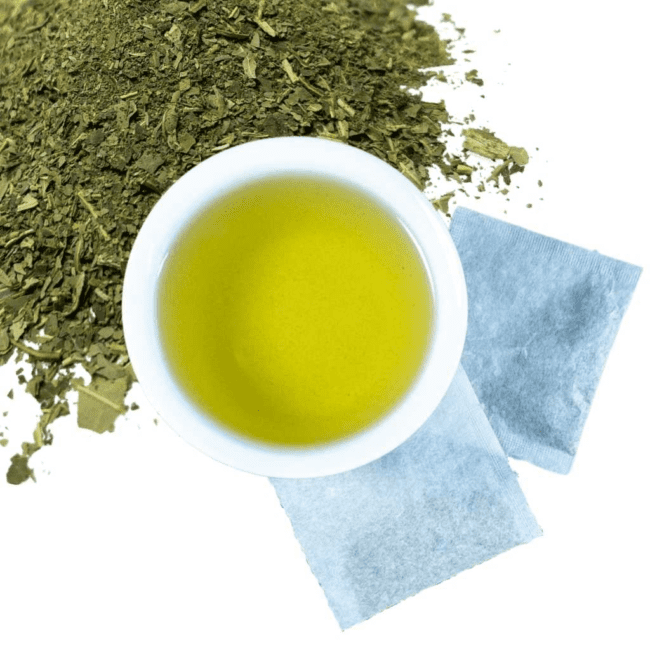
2. Herbal Infusions and Teas: Dried PawPaw/Papaya sepals can be used to create herbal infusions and teas. The sepals are harvested, cleaned, and air-dried, preserving their natural flavors and potential health benefits. PawPaw/Papaya sepals tea is consumed for its mild taste and the perceived therapeutic effects on digestion and overall well-being.
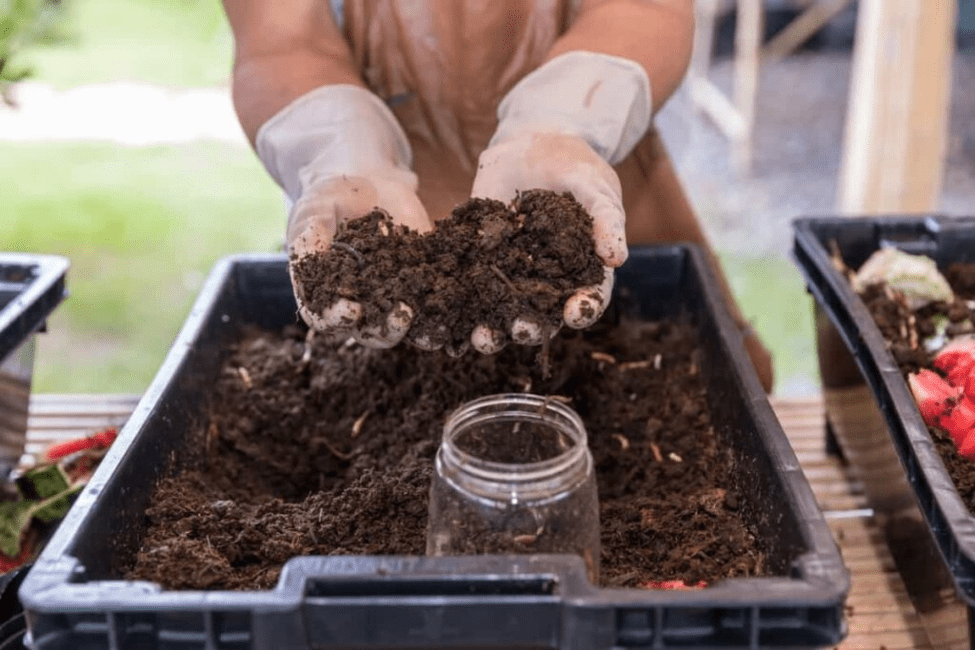
3. Organic Fertilizers: The biomass of PawPaw/Papaya sepals, along with other plant residues, can be composted to produce organic fertilizers. Composting involves mixing sepals with organic materials, promoting microbial activity and nutrient release. The resulting compost enhances soil fertility, structure, and water retention.
4. Animal Feed Additives: Residual biomass from PawPaw/Papaya sepals processing can be utilized as feed additives for livestock and poultry. The sepals’ nutrient content provides supplementary nutrition, contributing to animal health. The process involves drying and grinding the sepals for incorporation into animal feed formulations.
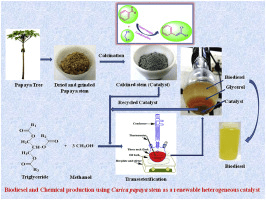
5. Biofuel Production: PawPaw/Papaya sepals, rich in organic matter, can be processed for biofuel production. Through techniques such as anaerobic digestion or pyrolysis, the sepals are converted into biogas or biochar, contributing to renewable energy sources and waste management.
6. Cosmeceutical Ingredients: Extracts from PawPaw/Papaya sepals are utilized in the cosmetic and skincare industry. These extracts may contain bioactive compounds with potential benefits for skin health. Processing involves extraction methods such as maceration or steam distillation, and the resulting extracts are incorporated into cosmetic formulations.
7. Medicinal Extracts: PawPaw/Papaya sepals may contain compounds with potential medicinal properties. Extracts derived from sepals are explored for their therapeutic effects in traditional medicine. The extraction process involves crushing and macerating the sepals, followed by solvent extraction or other methods to obtain bioactive compounds.
8. Biodegradable Packaging Materials: PawPaw/Papaya sepals’ fibers can be processed into biodegradable packaging materials. The sepals’ fibers are extracted, cleaned, and processed into biopolymer films and packaging products. These materials offer an eco-friendly alternative to conventional plastics.
9. Soil Erosion Control: Mulch derived from PawPaw/Papaya sepals can be used for soil erosion control. The sepals, when spread over the soil surface, help retain moisture, prevent erosion, and suppress weed growth. This application contributes to sustainable agriculture practices.
10. Cultural and Artistic Uses: In some cultures, dried PawPaw/Papaya sepals are used for artistic and cultural purposes. They may be incorporated into crafts, decorations, or rituals, showcasing the diverse and creative uses of natural materials.
Read Also: The PawPaw/Papaya Ovary: Economic Importance, Uses, and By-Products
Frequently Asked Questions (FAQ’s) About PawPaw/Papaya Sepals
1. What are PawPaw/Papaya Sepals?
PawPaw/Papaya sepals are leaf-like structures that surround and protect the developing fruit of the PawPaw/Papaya tree. They play important roles in the reproductive process and contribute to the fruit’s development and maturation.
2. What is the Botanical Name of PawPaw/Papaya Sepals?
The botanical name of PawPaw/Papaya sepals is Carica papaya sepals. This name reflects the genus (Carica) and species (papaya) of the PawPaw/Papaya tree.
3. How do PawPaw/Papaya Sepals Contribute to Fruit Development?
PawPaw/Papaya sepals protect the developing fruit from physical damage, pests, and environmental stressors. They also attract pollinators to the flowers, facilitating fertilization and fruit set.
4. Do PawPaw/Papaya Sepals Indicate Fruit Ripeness?
Yes, changes in the color and texture of PawPaw/Papaya sepals can indicate fruit ripeness. As the fruit matures, the sepals may change color or begin to wither, signaling that the fruit is ready for harvest.
5. Can PawPaw/Papaya Sepals be Used for Culinary Purposes?
While not commonly consumed directly, extracts from PawPaw/Papaya sepals may be used in culinary preparations or traditional medicine for their potential therapeutic properties or flavor-enhancing effects.
6. Are PawPaw/Papaya Sepals Biodegradable?
Yes, PawPaw/Papaya sepals are biodegradable. Once discarded, they decompose naturally over time, contributing to soil health and nutrient cycling.
7. What are the Environmental Benefits of PawPaw/Papaya Sepals?
PawPaw/Papaya sepals contribute to environmental sustainability by promoting pollination, enhancing soil fertility through composting, and serving as biodegradable materials for packaging or mulching.
8. Can PawPaw/Papaya Sepals be Used for Crafts or Decorations?
Yes, dried PawPaw/Papaya sepals can be used for artistic and decorative purposes. They may be incorporated into crafts, decorations, or rituals, showcasing their versatility and cultural significance.
9. Are there any Medicinal Uses Associated with PawPaw/Papaya Sepals?
While scientific evidence may be limited, extracts from PawPaw/Papaya sepals are explored for potential medicinal properties in traditional medicine. Research is ongoing to investigate their therapeutic effects.
10. How can PawPaw/Papaya Sepals Contribute to Sustainable Agriculture?
PawPaw/Papaya sepals support sustainable agriculture practices by enhancing soil fertility, promoting pollination, and providing biodegradable materials for mulching or packaging. Their multifaceted roles contribute to ecosystem resilience and agricultural productivity.