


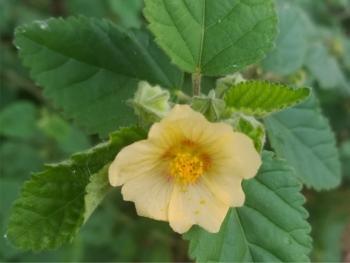
The role of Sida acuta (commonly known as wireweed or common sida) in hypertension treatment has gained increasing attention in recent years, particularly as the prevalence of high blood pressure continues to rise globally. Hypertension, often termed a “silent killer,” affects millions and can lead to severe health complications such as heart disease, stroke, and kidney failure.
While conventional treatments primarily involve lifestyle changes and pharmaceutical drugs, there is growing interest in exploring natural remedies that can complement traditional approaches. Sida acuta, a perennial herb belonging to the Malvaceae family, is widely used in traditional medicine across Africa and Asia for its diverse therapeutic properties, including potential support for managing high blood pressure.
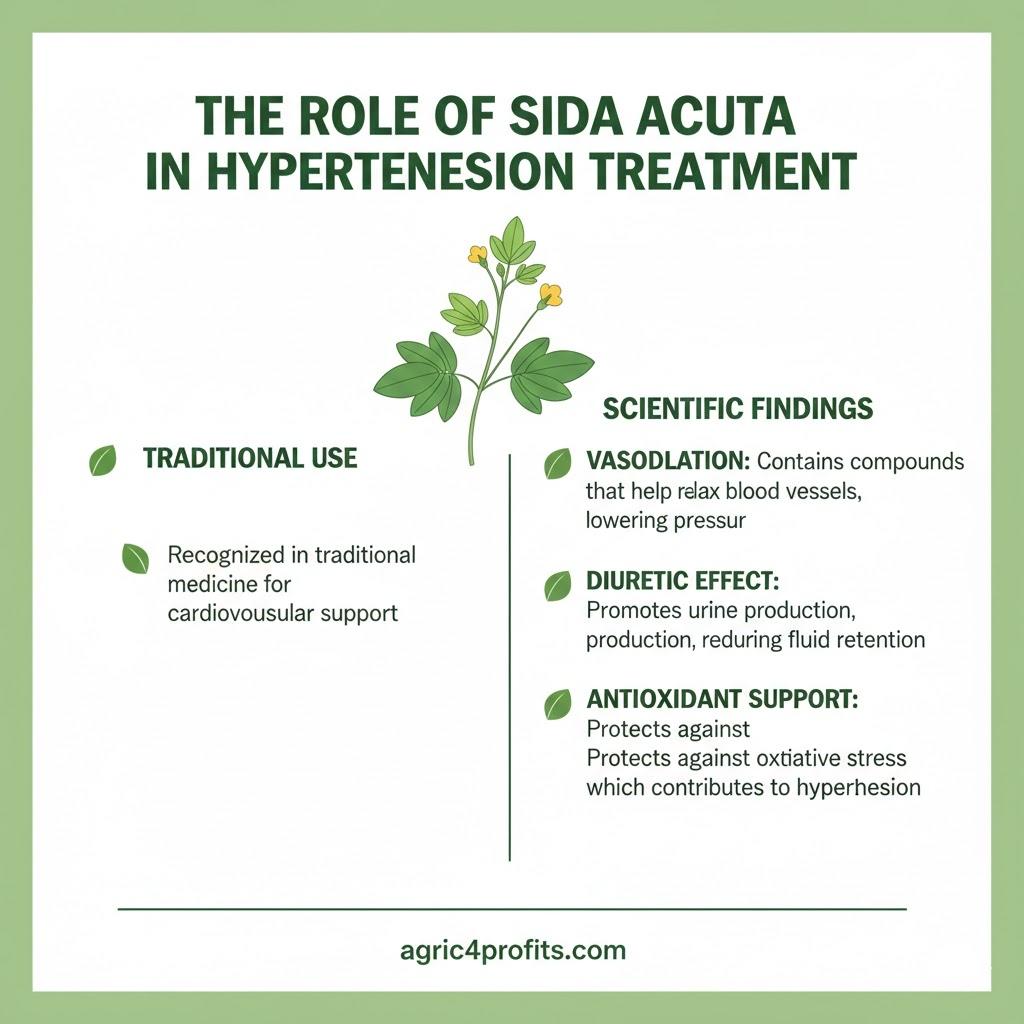
Traditionally, Sida acuta has been employed to treat various ailments, including infections, inflammation, and digestive issues. Recent research has begun to uncover its potential role in managing hypertension, revealing the presence of bioactive compounds such as flavonoids, alkaloids, and phenolic acids. These compounds are believed to exhibit antihypertensive effects, primarily through mechanisms like vasodilation, which relaxes blood vessels and improves blood circulation. This helps reduce the pressure on arterial walls.
Additionally, Sida acuta may act as a natural diuretic, promoting the elimination of excess sodium and fluid, thereby decreasing blood volume and aiding in blood pressure reduction. Its antioxidant properties combat oxidative stress—a key factor in hypertension development—by neutralizing free radicals, protecting blood vessels from damage, reducing inflammation, and promoting cardiovascular health.
Incorporating Sida acuta into hypertension management offers advantages such as affordability and accessibility, especially in regions where conventional medications are costly or limited. As a natural remedy, it may present fewer side effects than synthetic drugs for some individuals seeking holistic options.
Despite promising findings from preclinical studies (mostly in vitro or animal models), evidence from robust human clinical trials remains limited, and more research is needed to confirm efficacy and safety in people. Individuals should consult healthcare professionals before use, especially those with existing conditions or on antihypertensive medications, due to potential interactions or contraindications (e.g., caution in hypertension cases noted in some herbal sources).
Hypertension and Its Impact on Health
Hypertension is a persistent elevation in arterial blood pressure (≥130/80 mmHg), often asymptomatic yet leading to serious complications like heart attack, heart failure, stroke, kidney disease, vision loss, and cognitive decline. It strains the heart and vessels while also causing psychological stress and reduced quality of life.
Risk factors include poor diet, inactivity, obesity, excessive alcohol, smoking, age, genetics, and family history. Globally, about 1.28 billion adults aged 30-79 have hypertension (per WHO), with many unaware, driven by urbanization, lifestyle shifts, and aging populations.
Overview of Traditional Treatments for Hypertension
1. Lifestyle Modifications: Heart-healthy diet, regular exercise, weight management, sodium reduction.
2. Antihypertensive Medications: Diuretics, ACE inhibitors, calcium channel blockers, beta-blockers.
3. Monitoring Blood Pressure: Regular checks to evaluate treatment.
4. Patient Education: Adherence and understanding of condition.
5. Holistic Approaches: Complementary therapies like herbal remedies.
Sida Acuta As A Medicinal Plant
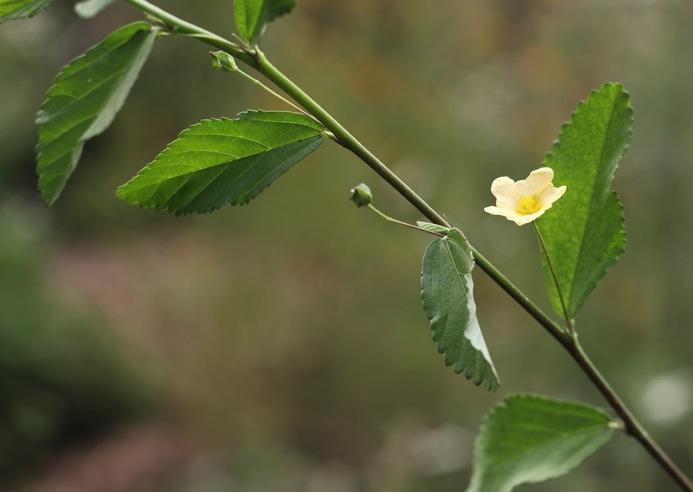
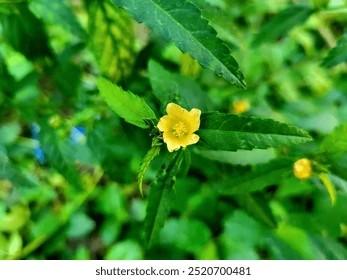
1. Description of Sida Acuta: Perennial herbaceous plant (wireweed) in tropical/subtropical regions.
2. Traditional Uses: For hypertension, respiratory issues, inflammation, and more in various cultures.
3. Phytochemical Composition: Flavonoids (e.g., quercetin, kaempferol), alkaloids, triterpenoids, polyphenols, vitamins/minerals.
4. Mechanisms of Action: Antioxidant, anti-inflammatory, diuretic, potential vasodilatory effects.
5. Growing Interest: Recognized in herbal medicine and research for cardiovascular benefits.
Read Also: A Guide to Growing and Caring for Indian Grass (Sorghastrum Nutans)
Phytochemical Composition of Sida Acuta
1. Flavonoids: Quercetin, kaempferol for antioxidant protection against oxidative stress.
2. Alkaloids: Such as sidacrine with pharmacological effects on cardiovascular health.
3. Triterpenoids: Contribute to anti-inflammatory and analgesic properties.
4. Polyphenols: Enhance vascular health, endothelial function, reduce inflammation.
5. Vitamins and Minerals: Vitamin C, calcium, potassium for nutritional/therapeutic support.
Mechanisms of Action: How Sida Acuta Affects Blood Pressure
1. Vasodilation: Relaxes blood vessels, reduces resistance.
2. Antioxidant Activity: Mitigates oxidative stress damaging vessels.
3. Anti-inflammatory Effects: Improves vascular function.
4. Regulation of Neurotransmitters: Influences vascular tone.
5. Diuretic Properties: Reduces blood volume.
Clinical Studies on Sida Acuta and Hypertension
Limited human trials exist; most evidence from preclinical (animal/in vitro) models shows promise in blood pressure reduction via bioactive compounds. Some studies report minimal side effects and good tolerance, but robust clinical data in humans is insufficient for definitive recommendations. Long-term effects require further investigation.
Comparison of Sida Acuta with Conventional Treatments
1. Efficacy: Potential complementary role with unique multi-mechanism action.
2. Side Effects: Fewer reported than synthetics (e.g., no dizziness/fatigue in some sources).
3. Cost-Effectiveness: More affordable and accessible.
4. Mechanism of Action: Holistic vs. targeted receptor effects.
5. Integration: Possible alongside conventional plans under supervision.
Read Also: 17 Medicinal Health Benefits Of Panax pseudoginseng (Himalayan ginseng)
Potential Benefits of Sida Acuta in Hypertension Management
1. Natural Blood Pressure Lowering: Via vasodilation/diuretic effects.
2. Antioxidant Properties: Protects vessels from oxidative damage.
3. Anti-inflammatory Effects: Enhances endothelial function.
4. Diuretic Potential: Aids fluid balance.
5. Holistic Approach: Supports overall well-being.
Dosage and Administration of Sida Acuta for Hypertension
1. Standardized Extracts: Often 200-400 mg/day (vary by individual).
2. Forms: Capsules, teas, tinctures.
3. Timing: Consistent daily intake.
4. Consultation: Essential with healthcare providers.
5. Monitoring: Regular BP checks.
Safety and Side Effects of Sida Acuta
1. General Tolerance: Well-tolerated at recommended doses with low acute/chronic toxicity in studies.
2. Possible Reactions: Rare allergies, GI discomfort; discontinue if occurs.
3. Interactions: Potential with antihypertensives (additive effects); monitor.
4. Pregnant/Nursing: Avoid due to limited data.
5. Long-Term Use: Generally safe short-term; more research needed.
Integrating Sida Acuta into Hypertension Treatment Plans
1. Complementary Use: Alongside medications/lifestyle changes.
2. Lifestyle Modifications: Combine with diet/exercise.
3. Personalized Plans: Tailored by providers.
4. Patient Education: On benefits/risks.
5. Regular Follow-Ups: Monitor effectiveness/safety.
Future Research Directions for Sida Acuta in Hypertension Therapy
1. Clinical Trials: Larger human studies needed.
2. Mechanistic Studies: Detail specific pathways.
3. Long-term Effects: Safety over extended use.
4. Combination Therapies: With other remedies/drugs.
5. Quality of Life Impact: Beyond BP reduction.
Do you have any questions, suggestions, or contributions? Feel free to comment below. Share this with others who might benefit—thank you for your support!
Summary of The Role Of Sida Acuta in Hypertension Treatment
| Section | Key Points |
|---|---|
| Introduction | Sida acuta (wireweed) traditionally used in Africa/Asia; potential antihypertensive via flavonoids, alkaloids, phenolics; mechanisms include vasodilation, diuresis, antioxidants; complements conventional treatments but needs more human trials. |
| Hypertension Impact | “Silent killer” ≥130/80 mmHg; causes CVD, stroke, kidney issues; risk factors: lifestyle, genetics; global prevalence ~1.28 billion adults. |
| Traditional Treatments | Lifestyle changes, medications (diuretics, ACE inhibitors), monitoring, education, holistic options. |
| Sida Acuta Overview | Perennial herb; traditional for hypertension/inflammation; contains flavonoids, alkaloids, polyphenols. |
| Phytochemical Composition | Flavonoids (quercetin/kaempferol), alkaloids, triterpenoids, polyphenols, vitamins/minerals for antioxidant/anti-inflammatory effects. |
| Mechanisms | Vasodilation, antioxidant, anti-inflammatory, diuretic, neurotransmitter regulation. |
| Clinical Studies | Mostly preclinical; promising BP reduction; limited human data; minimal side effects reported. |
| Comparison with Conventional | Complementary, fewer side effects, cost-effective, multi-mechanism. |
| Potential Benefits | Natural BP lowering, vascular protection, holistic support. |
| Dosage/Administration | 200-400 mg extracts; capsules/teas; consult provider, monitor BP. |
| Safety/Side Effects | Low toxicity; rare allergies/GI issues; avoid in pregnancy; potential interactions. |
| Integration/Future Research | Complementary with lifestyle/meds; needs more trials, mechanistic/long-term studies. |
Frequently Asked Questions
1. What is Sida acuta?
Sida acuta, also known as wireweed, is a perennial herb from the Malvaceae family native to tropical regions, traditionally used in African and Asian medicine for various ailments including potential support for hypertension.
2. How does Sida acuta help with hypertension?
Its bioactive compounds (flavonoids, alkaloids, phenolics) may promote vasodilation to relax blood vessels, act as a mild diuretic to reduce fluid volume, and provide antioxidant/anti-inflammatory effects to protect against oxidative stress and vascular damage.
3. Is there scientific evidence for Sida acuta in treating high blood pressure?
Preclinical studies (animal/in vitro) show promise for BP reduction, but human clinical trials are limited; more robust research is needed to confirm efficacy and safety.
4. What are the main phytochemicals in Sida acuta?
Key compounds include flavonoids (quercetin, kaempferol), alkaloids, triterpenoids, polyphenols, and vitamins/minerals contributing to its therapeutic potential.
5. Can Sida acuta replace conventional antihypertensive medications?
No, it should complement rather than replace standard treatments; consult a healthcare provider for integrated use.
6. What is the recommended dosage for Sida acuta in hypertension?
Standardized extracts often range from 200-400 mg/day (e.g., capsules); forms include teas/tinctures—dosage should be personalized under professional guidance.
7. Are there side effects or safety concerns with Sida acuta?
Generally well-tolerated with low toxicity in studies; rare allergic reactions or GI discomfort possible; caution or avoid in pregnancy, nursing, or with certain medications due to potential interactions.
8. How should Sida acuta be used for blood pressure management?
As teas, capsules, or extracts; combine with lifestyle changes (diet, exercise); monitor BP regularly and consult a doctor before starting.
9. Is Sida acuta safe for long-term use?
Short-term appears safe based on available data; long-term effects require more research—use under supervision.
10. Who should avoid Sida acuta?
Pregnant/nursing women, those with certain conditions (e.g., potential caution in existing hypertension per some sources), or on interacting medications; always seek professional advice.
Do you have any questions, suggestions, or contributions? If so, please feel free to use the comment box below to share your thoughts. We also encourage you to kindly share this information with others who might benefit from it. Since we can’t reach everyone at once, we truly appreciate your help in spreading the word. Thank you very much for your support and for sharing!
Disclaimer: This article is for educational and informational purposes only. The health benefits described are based on scientific research and traditional knowledge. They ayre not a substitute for professional medical advice, diagnosis, or treatment. Always consult a healthcare professional before using any herb or natural remedy for medical purposes.
Read Also: What is some advantages of solar energy?