


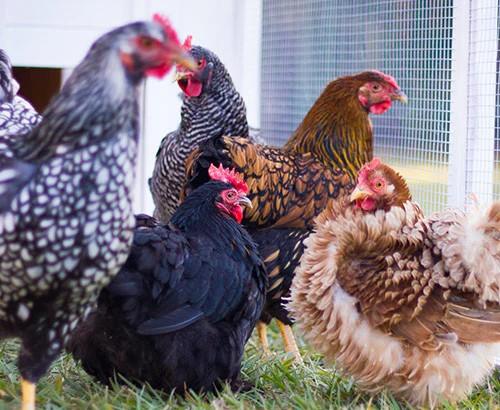
Picking the right chicken breed is one of the most important decisions you will make when starting a backyard farm. It affects how many eggs you get, how much meat you produce, how easy your birds are to handle, and whether they can survive in your local climate. Get it right and your farm runs smoothly. Get it wrong and you spend more time and money fixing problems than enjoying the rewards.
Chickens are grouped into three main categories based on what they are raised for. Layer breeds like the Rhode Island Red and Leghorn are kept mainly for egg production. Broiler breeds like the Cornish Cross grow fast and are raised for meat. Dual-purpose breeds like the Orpington and Plymouth Rock offer a solid balance of both eggs and meat, making them a practical choice for small farms.
Beyond what they produce, chickens offer plenty of other benefits. They eat pests, reduce your need for chemical pesticides, and their manure is one of the best natural fertilizers for garden soil. They are also relatively low-maintenance once you have the right setup, and raising them can be a great experience for the whole family, including kids who can learn about animal care and where food comes from.
Before you buy your first birds, think about your priorities. Are you looking for high egg production? Do you want birds that are easy to handle around children? Do you live somewhere with harsh winters or hot summers? All of these factors will shape which breeds work best for you. This guide covers everything you need to know to make a confident, informed choice.
Benefits of Raising Chickens
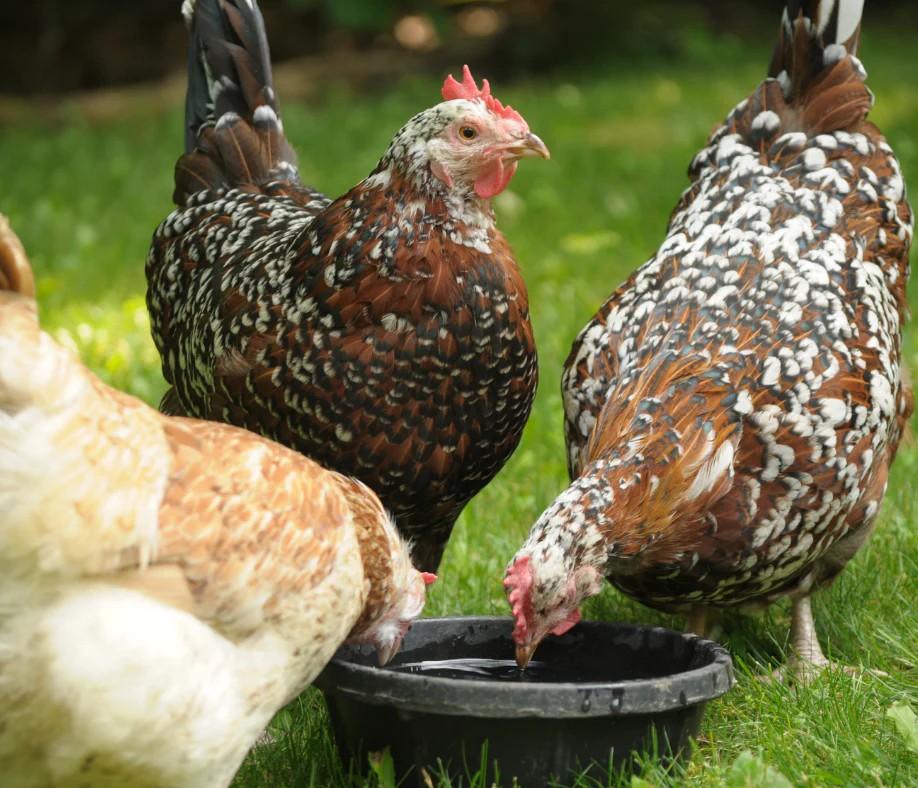
There are several practical reasons why backyard chicken farming has become so popular. Here are the key benefits worth knowing.
1. Fresh Eggs: One of the biggest advantages is having a steady supply of fresh eggs. Home-raised eggs are free from preservatives and often taste better than store-bought ones.
2. Sustainable Meat Source: Raising your own birds gives you full control over their diet and living conditions, which means healthier meat on your table.
3. Pest Control: Chickens naturally forage for insects, ticks, and weeds. This cuts down pest populations in your yard without the need for chemical sprays.
4. Nutrient-Rich Manure: Chicken manure is packed with nitrogen, phosphorus, and potassium. It is one of the best natural fertilizers you can use in a garden.
5. Educational Experience: Raising chickens teaches children about responsibility, animal care, and how food is produced. It is a hands-on learning experience that is hard to replicate elsewhere.
A. Factors to Consider When Choosing Chicken Breeds
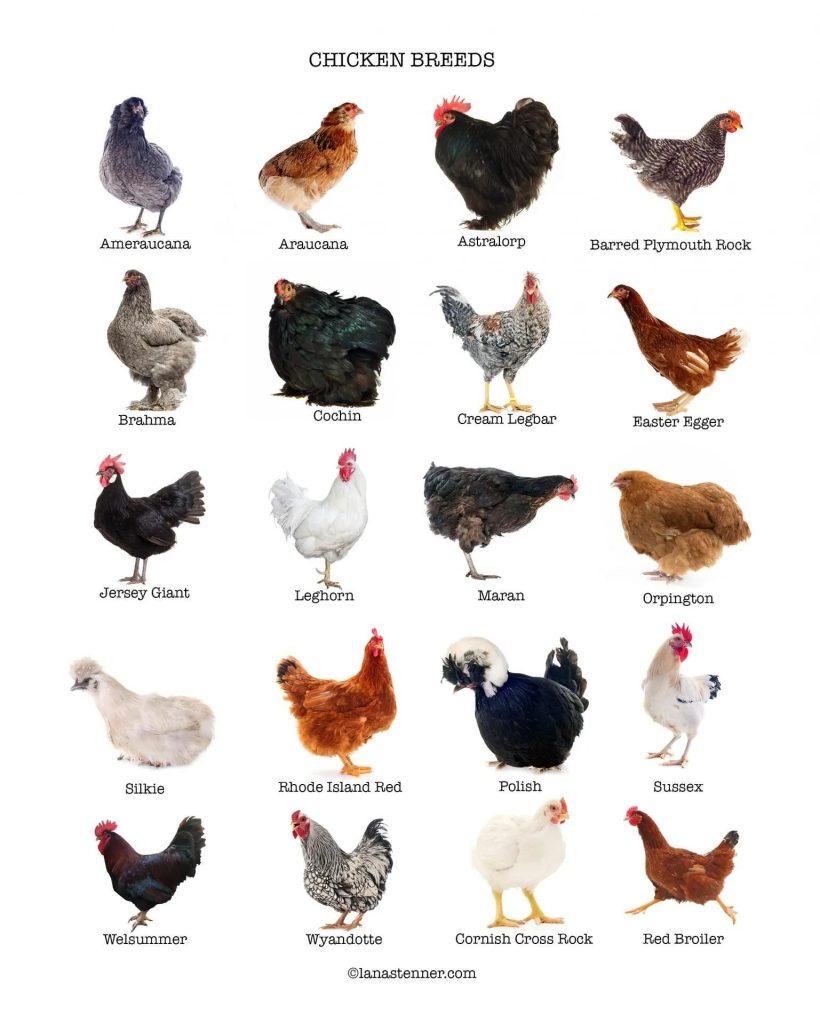
Not every breed suits every farm. Here are the main things to think about before making your choice.
1. Purpose of Raising Chickens: Decide first whether you want eggs, meat, or both. This single decision will guide most of your breed selection.
2. Climate Adaptability: Some breeds handle heat well while others do better in cold. Match the breed to your local weather to avoid health problems down the line.
3. Space Requirements: Some breeds need more room to roam. If your backyard is small, choose breeds that are comfortable in tighter spaces.
4. Temperament: If you have children or other animals on your property, choose breeds that are calm and easy to handle. Not all breeds are naturally docile.
5. Egg and Meat Production: Look at the average production figures for each breed. Some lay far more eggs than others, and growth rates for meat birds vary widely.
B. Top Dual-Purpose Chicken Breeds
Dual-purpose breeds are a smart pick for small farms because they deliver both eggs and meat. These five are among the best.
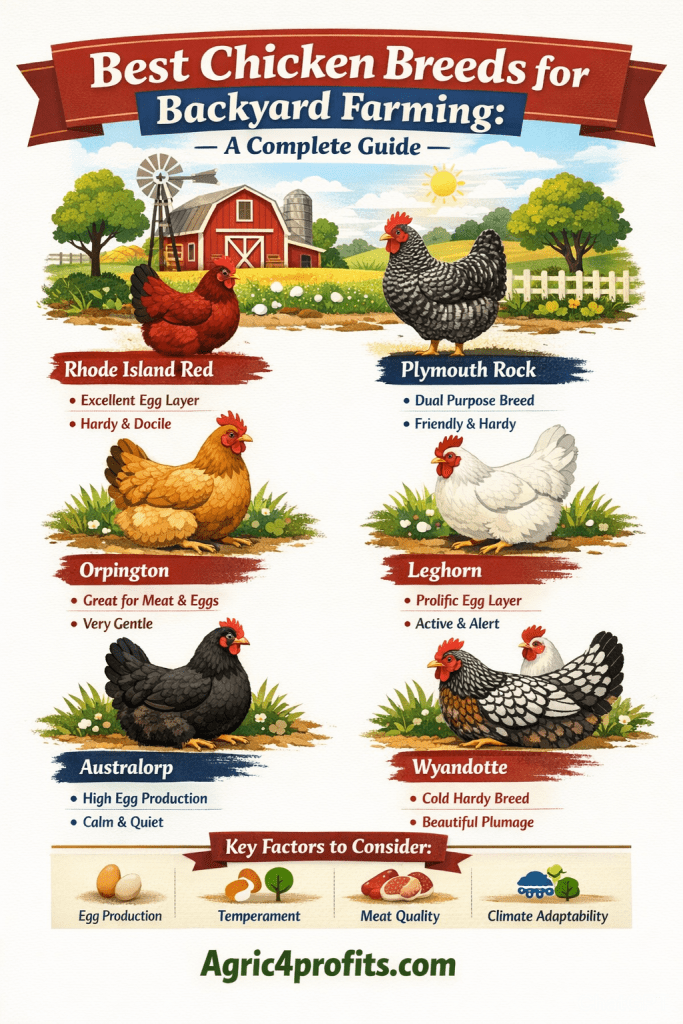
1. Rhode Island Red: A hardy and adaptable breed that lays around 250 to 300 brown eggs per year and also has good meat quality. One of the most popular choices for backyard farmers.
2. Plymouth Rock: Friendly and easy to manage, Plymouth Rocks are great for families. They lay a solid number of brown eggs and provide decent meat yield as well.
3. Orpington: Known for its gentle nature and thick plumage, the Orpington lays around 180 to 200 medium to large brown eggs per year and produces a good-sized carcass for meat.
4. Sussex: A versatile bird that adapts to most environments. Sussex chickens lay around 250 to 300 large brown eggs annually and are also valued for their meat quality.
5. Wyandotte: A calm and hardy bird that produces around 200 to 250 brown eggs per year. Wyandotte meat is well-regarded for its flavor and tenderness.
Read Also: 14 Medicinal Health Benefits of Epimedium grandiflorum (Horny Goat Weed)
C. Best Egg-Laying Chicken Breeds
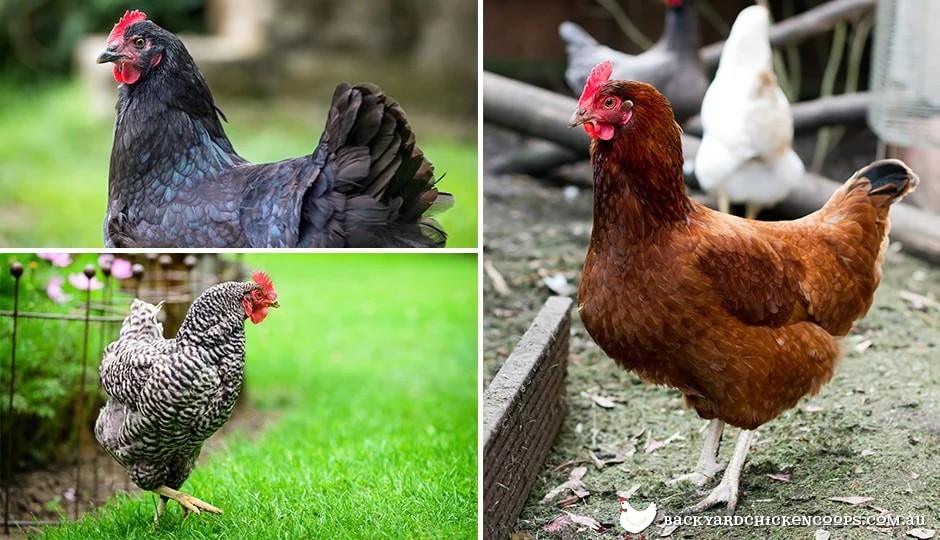
If egg production is your main goal, these breeds are among the top performers you can raise in a backyard setting.
1. Leghorn: Leghorns are among the most productive layers in the world, producing around 280 to 300 large white eggs per year. They are hardy, adaptable, and widely used in commercial egg farming.
2. Golden Comet: Golden Comets start laying early and average around 250 to 300 brown eggs per year. They are friendly birds that are easy to manage.
3. Australorp: This breed holds records for egg production and can lay about 250 to 300 brown eggs annually. It also handles different climates well and has an attractive black plumage.
4. Red Star: A hybrid breed known for consistent production, averaging 250 to 300 medium brown eggs per year. Red Stars are friendly and low-maintenance.
5. Sussex: Beyond being a great dual-purpose bird, Sussex chickens are excellent layers, producing around 250 to 300 large brown eggs per year in a backyard flock.
D. Best Meat Chicken Breeds
If you are raising chickens primarily for meat, these breeds grow well and produce quality carcasses.
1. Cornish Cross: The most popular meat breed worldwide. Cornish Cross birds grow extremely fast and reach market weight in just 6 to 8 weeks.
2. Red Ranger: A slower-growing alternative to the Cornish Cross with better foraging ability and a more natural lifestyle. Meat quality is excellent.
3. Jersey Giant: A large dual-purpose breed valued particularly for its meat. It grows slower than other meat breeds but produces a sizeable carcass with great texture.
4. Plymouth Rock: Reaches market weight in about 12 to 16 weeks and produces flavorful, tender meat. A reliable choice for backyard meat production.
5. Bresse: Considered one of the finest meat chickens in the world. Bresse birds take longer to mature but are prized for their rich flavor and tenderness.
E. Hardy Breeds for Extreme Weather
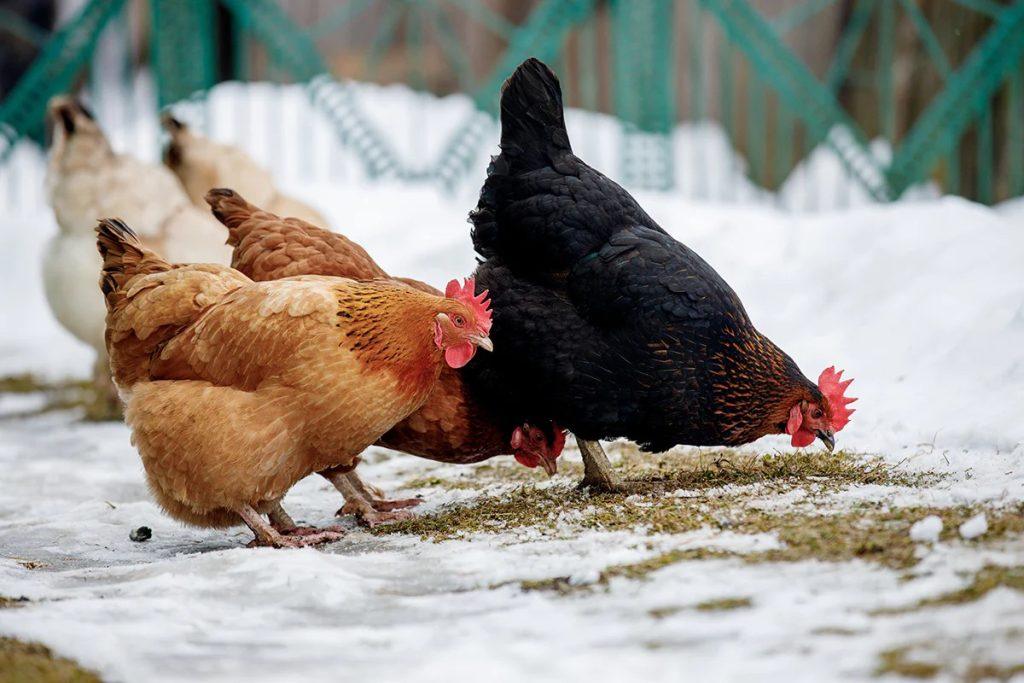
If you live in an area with harsh winters or intense summers, choosing a weather-resistant breed matters a lot.
1. Plymouth Rock: Adapts well to both hot and cold climates, making it one of the most versatile breeds for diverse farming environments.
2. Rhode Island Red: Can handle cold winters and hot summers without major issues. A very resilient breed that suits a wide range of conditions.
3. Wyandotte: Built for cold weather with a robust frame and dense feathering. Wyandottes continue laying consistently even during colder months.
4. Orpington: Thick feathering makes the Orpington a natural fit for cold climates. It is also calm and continues laying well in winter.
5. Sussex: Adapts to changing weather conditions with ease. Sussex birds are tough, reliable, and handle both heat and cold reasonably well.
Read Also: Poultry Record Keeping and Performance Evaluation
F. Friendly and Docile Chicken Breeds
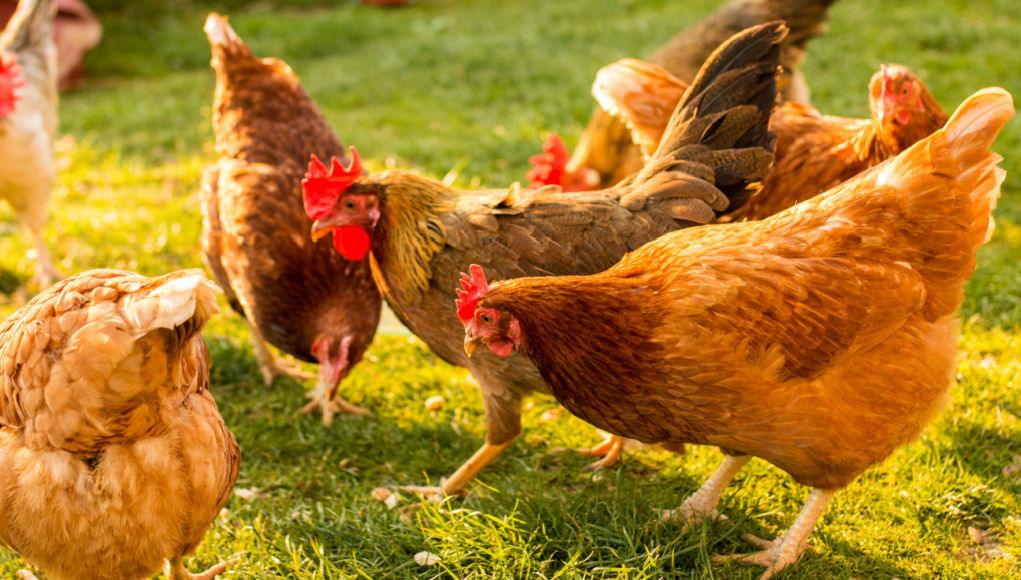
Some breeds are naturally calm and easy to handle, making them a better fit for families with children or first-time chicken keepers.
1. Orpington: One of the gentlest breeds around. Orpingtons are calm, easy to handle, and make great additions to a family flock.
2. Australorp: Friendly and social, Australorps are good companions in the yard. They lay well and are easy to manage around people.
3. Silkie: Famous for their unique fluffy appearance and extremely docile nature. Silkies are popular with families and work well around children.
4. Sussex: Not just hardy, Sussex chickens are also friendly and straightforward to handle, making them a good starting point for beginners.
5. Wyandotte: Calm and friendly with a steady temperament. Wyandottes are a great choice for backyard farms where people and birds interact regularly.
G. Unique and Exotic Chicken Breeds
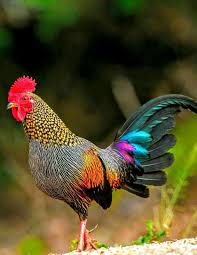
If you want something a little different, these breeds stand out for their appearance, history, or unusual traits.
1. Ayam Cemani: A striking all-black breed from Indonesia. Its feathers, skin, and internal organs are black due to a rare genetic mutation. It is valued for its meat and holds cultural significance in its home country.
2. Silkie: Beyond being docile, Silkies are known for their fluffy, fur-like plumage and broody nature. They are excellent at hatching eggs and are often used for that purpose on farms.
3. Polish: Recognized by their distinctive feather crests on their heads, Polish chickens come in many colors and are friendly birds. They are not the best layers but are a favorite among poultry enthusiasts for their looks.
4. Serama: One of the smallest chicken breeds in the world, originally from Malaysia. Despite their tiny size, Seramas have big personalities and are well-suited to small spaces and urban settings.
5. Cochin: Large, fluffy birds with feathered legs and a gentle disposition. Cochins are often kept for their beauty, though they do lay a decent number of eggs.
H. Breeds for Small Spaces
Limited outdoor space does not mean you cannot keep chickens. These breeds do well in smaller environments.
1. Bantam Breeds: Bantams are miniature chickens that need less space than standard breeds. They are friendly, easy to manage, and come in a wide variety of colors and types.
2. Serama: Their tiny size makes Seramas ideal for urban backyards and confined spaces. They are friendly and easy to handle, which adds to their appeal.
3. Silkie: Small in size and calm in nature, Silkies can adapt to limited living conditions without trouble.
4. Dutch Bantam: Another small breed that thrives in tight spaces. Dutch Bantams are good foragers and a joy to keep in a compact backyard setup.
Feeding and Care Requirements
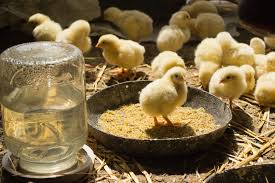
No matter which breed you choose, proper feeding and care are essential for a healthy, productive flock.
1. Balanced Diet: Feed your chickens a commercial feed matched to their stage and purpose. Layers need high-calcium feed, while broilers need protein-rich diets. Kitchen scraps, grains, and greens can supplement their meals.
2. Fresh Water: Chickens need access to clean, fresh water at all times. Dehydration reduces egg production and causes health issues quickly.
3. Housing: A good coop protects your birds from predators and bad weather. It should be well-ventilated, secure, and spacious enough for your birds to move around freely.
4. Space Requirements: A general rule is at least 4 square feet per bird inside the coop and 10 square feet per bird in the outdoor run. Smaller breeds can get by with a bit less.
5. Regular Health Checks: Monitor your flock regularly for signs of illness. Set up a vaccination and deworming schedule to keep your birds healthy year-round.
Summary on Best Chicken Breeds for Backyard Farming
| Category | Top Breeds | Key Traits |
|---|---|---|
| Dual-Purpose | Rhode Island Red, Plymouth Rock, Orpington, Sussex, Wyandotte | Good for both eggs and meat production |
| Best Egg Layers | Leghorn, Golden Comet, Australorp, Red Star, Sussex | 250 to 300 eggs per year on average |
| Best Meat Breeds | Cornish Cross, Red Ranger, Jersey Giant, Plymouth Rock, Bresse | Fast growth, quality carcass |
| Hardy Breeds | Plymouth Rock, Rhode Island Red, Wyandotte, Orpington, Sussex | Tolerates heat, cold, and tough weather |
| Friendly Breeds | Orpington, Australorp, Silkie, Sussex, Wyandotte | Calm, easy to handle, great for families |
| Exotic Breeds | Ayam Cemani, Silkie, Polish, Serama, Cochin | Unique appearance and interesting traits |
| Small Space Breeds | Bantam, Serama, Silkie, Dutch Bantam | Compact size, suitable for urban farming |
| Key Care Tips | Balanced diet, clean water, secure housing | Essential for all breeds regardless of type |
Frequently Asked Questions About Best Chicken Breeds for Backyard Farming
1. What is the best chicken breed for beginners? Rhode Island Reds, Plymouth Rocks, and Sussex chickens are all great starting points. They are hardy, friendly, and fairly easy to manage with minimal experience.
2. Which breed lays the most eggs per year? Leghorns are among the top layers, producing around 280 to 300 large white eggs per year. Golden Comets and Australorps are close behind with similar numbers.
3. What is the best chicken breed for cold climates? Wyandottes, Orpingtons, and Rhode Island Reds handle cold weather well. Their thick feathering and robust builds help them stay healthy through winter.
4. Can I keep chickens in a small backyard? Yes. Bantam breeds, Seramas, and Silkies do well in smaller spaces. Just make sure each bird still has enough room to move around comfortably.
5. How many chickens should I start with? Starting with three to six birds is a practical approach for most beginners. This gives you enough eggs without overwhelming your space or time.
6. What do chickens eat? Chickens need a commercial feed matched to their purpose, either layer feed or broiler feed. You can also supplement with kitchen scraps, grains, leafy greens, and grit.
7. How long do backyard chickens live? Most backyard chickens live between five and ten years, though egg production tends to decline significantly after the first two to three years.
8. Do I need a rooster for my hens to lay eggs? No. Hens lay eggs without a rooster. You only need a rooster if you want fertilized eggs for hatching chicks.
9. What is the best dual-purpose chicken breed? The Sussex and Rhode Island Red are both excellent dual-purpose choices. They lay well and also produce decent meat, making them practical for small farms.
10. How do I keep my chickens healthy? Provide clean water, a balanced diet, a secure coop, and enough space to roam. Conduct regular health checks and follow a vaccination and deworming schedule to prevent illness.
Do you have any questions, suggestions, or contributions? If so, please feel free to use the comment box below to share your thoughts. We also encourage you to kindly share this information with others who might benefit from it. Since we can’t reach everyone at once, we truly appreciate your help in spreading the word. Thank you very much for your support and for sharing!