


Rubber stigmas, also known as rubber flowers, are a type of artificial flower made from rubber materials. These flowers are often used for decorative purposes, as they can be made in a variety of colors, shapes, and sizes, and can be easily customized to fit different needs and preferences.
One of the main advantages of rubber stigmas is their durability. Unlike natural flowers, which wilt and die after a short time, rubber flowers can last for years with proper care and maintenance. This makes them an ideal choice for use in settings where real flowers would not be practical or cost-effective, such as in outdoor events or in areas with harsh weather conditions.
Another advantage of rubber stigmas is their versatility. They can be made in a wide range of shapes and sizes, from small and delicate to large and bold. This makes them suitable for a wide range of applications, including as centerpieces, wall decorations, and even as part of clothing and accessories.
Rubber stigmas are also relatively easy to care for. They require no watering or special attention, and can be easily cleaned with a damp cloth or a mild soap solution. This makes them a low-maintenance option for those who want the beauty of flowers without the hassle of caring for living plants.
In terms of their scientific composition, rubber stigmas are typically made from a combination of natural and synthetic rubber materials. These materials are molded and shaped into the desired form, and then painted or dyed to create the desired color and texture.
One of the key challenges in creating realistic-looking rubber stigmas is achieving the right texture and feel. Natural flowers have a certain softness and suppleness that is difficult to replicate with synthetic materials. However, advances in manufacturing and materials science have made it possible to create rubber stigmas that are nearly indistinguishable from real flowers in terms of texture and appearance.
In addition to their decorative uses, rubber stigmas are also used in a variety of other applications. For example, they are often used in medical settings as part of prosthetic devices and other medical equipment. They are also used in the automotive industry as part of gaskets and other sealing materials.
Rbber stigmas are a unique and versatile type of artificial flower that can be used in a wide range of settings and applications. Their durability, versatility, and low maintenance requirements make them an attractive choice for those who want the beauty of flowers without the hassle of caring for living plants. With advances in materials science and manufacturing techniques, the future looks bright for this fascinating and useful product.
The Economic Importance and Uses of Rubber Stigmas
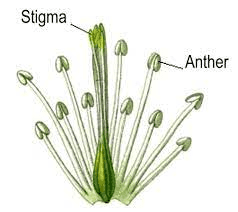
1. Pollination: Rubber stigmas play a crucial role in the sexual reproduction of rubber trees (Hevea brasiliensis) by receiving pollen grains from the male reproductive organs and facilitating fertilization. This process is essential for the production of rubber seeds, which are used for seedling propagation in rubber cultivation.
2. Seed Production: Rubber stigmas contribute to the production of rubber seeds, which serve as the primary source of planting material for establishing new rubber plantations and renewing existing ones. High-quality seeds obtained through effective pollination ensure the success and sustainability of rubber farming.
3. Genetic Improvement: Rubber stigmas are instrumental in breeding programs aimed at developing improved rubber tree varieties with desirable traits such as high latex yield, disease resistance, and environmental adaptability. Controlled pollination of rubber stigmas enables breeders to select parent trees with desirable characteristics and produce hybrid offspring with superior traits.
4. Nursery Operations: Rubber stigmas influence nursery operations by determining the quality and quantity of seedlings produced for transplantation. Proper pollination and fertilization of rubber stigmas ensure the viability and vigor of rubber seeds, leading to the production of healthy and resilient seedlings in nurseries.
5. Rubber Cultivation: Rubber stigmas support rubber cultivation by promoting seedling propagation and genetic diversity in rubber populations. Successful pollination of rubber stigmas ensures the availability of quality seeds for planting, which contributes to the establishment and maintenance of productive rubber plantations.
6. Research: Rubber stigmas are subjects of scientific research aimed at understanding the reproductive biology, pollination ecology, and genetic diversity of rubber trees. Studies on rubber stigmas contribute to the development of breeding strategies, cultivation techniques, and pest management practices for improving rubber productivity and sustainability.
7. Agricultural Economy: Rubber stigmas contribute to the agricultural economy by supporting rubber cultivation, which is a significant source of income and employment in many regions. Rubber plantations provide livelihoods for millions of people involved in rubber farming, tapping, processing, and trading activities.
8. Industrial Applications: While not directly used in industrial applications, rubber stigmas indirectly influence various industries that rely on natural rubber as a raw material. The successful reproduction of rubber trees ensures the availability of rubber seeds for planting, sustaining rubber production for industries manufacturing tires, automotive parts, footwear, medical devices, and other rubber products.
9. Environmental Conservation: Rubber stigmas play a role in environmental conservation by promoting the sustainable management of rubber plantations and forest ecosystems. Well-managed rubber cultivation practices, supported by effective pollination and seed production, help preserve biodiversity, soil fertility, and ecosystem services in rubber-growing areas.
10. Livelihood Security: Rubber stigmas contribute to livelihood security by providing smallholder farmers and plantation workers with opportunities for stable income and livelihoods. Rubber cultivation offers economic stability, social benefits, and access to essential services such as education, healthcare, and housing for rural communities dependent on rubber farming.
11. Climate Resilience: Rubber stigmas support climate resilience by facilitating the adaptation of rubber trees to changing environmental conditions. Genetic diversity resulting from effective pollination and seed production enhances the resilience of rubber populations to climate-related stresses such as drought, disease, and extreme temperatures.
12. Agricultural Innovation: Rubber stigmas drive agricultural innovation by enabling research and development initiatives focused on improving rubber tree genetics, cultivation practices, and productivity. Innovations in rubber breeding, biotechnology, and agronomy supported by studies on rubber stigmas contribute to the sustainability and competitiveness of rubber farming.
13. Global Trade: Rubber stigmas contribute to global trade by sustaining the production and export of natural rubber, which is a valuable commodity traded on international markets. Rubber-producing countries rely on rubber cultivation for foreign exchange earnings and economic development, with rubber stigmas playing a crucial role in maintaining the supply chain and market competitiveness.
14. Rural Development: Rubber stigmas support rural development by stimulating economic growth, infrastructure development, and social progress in rubber-producing regions. Rubber cultivation creates opportunities for entrepreneurship, job creation, and community development, leading to improved living standards and quality of life for rural populations.
15. Food Security: While not directly related to food production, rubber stigmas indirectly contribute to food security by supporting agricultural diversification and income generation in rubber-growing areas. Rubber cultivation alongside food crops provides farmers with additional sources of income and livelihoods, enhancing food security and resilience to economic shocks.
16. Sustainable Agriculture: Rubber stigmas promote sustainable agriculture by fostering environmentally friendly practices and resource management in rubber farming. Sustainable rubber cultivation techniques, supported by effective pollination and seed production, minimize negative impacts on ecosystems, conserve natural resources, and promote ecosystem resilience.
17. Technology Transfer: Rubber stigmas facilitate the transfer of technology and knowledge in rubber cultivation through research, extension services, and collaboration between research institutions, government agencies, and industry stakeholders. Innovations in rubber breeding, agronomy, and pest management driven by studies on rubber stigmas are disseminated to farmers to improve productivity and sustainability.
Read Also: 14 Medicinal Health Benefits of Ghost Pepper (Capsicum Chinese)
The Products and By-products That Can Be Derived From Rubber Stigmas
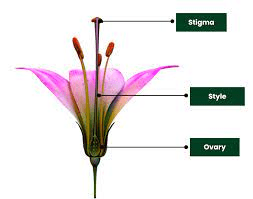
1. Rubber Seeds: Rubber stigmas facilitate the production of rubber seeds, which serve as the primary source of planting material for establishing new rubber plantations and renewing existing ones.
2. Nursery Seedlings: Rubber stigmas contribute to the production of high-quality seedlings in nurseries, which are transplanted into rubber plantations for establishment and renewal.
3. Genetic Material: Rubber stigmas contain genetic material essential for breeding programs aimed at developing improved rubber tree varieties with desirable traits.
4. Research Specimens: Rubber stigmas serve as research specimens for scientific studies on rubber tree reproduction, genetics, and breeding.
5. Seed Germination Studies: Rubber stigmas are used in seed germination studies to understand factors influencing seed viability and seedling establishment.
6. Pollination Research: Rubber stigmas are subjects of pollination research to investigate pollinator behavior, pollen dispersal mechanisms, and pollination efficiency in rubber trees.
7. Hybridization Programs: Rubber stigmas are used in hybridization programs to produce crossbred rubber varieties with improved characteristics for commercial cultivation.
8. Seed Production: Rubber stigmas contribute to seed production for commercial use in rubber farming, ensuring a sustainable supply of planting material for growers.
9. Germplasm Conservation: Rubber stigmas play a role in germplasm conservation by preserving genetic diversity and unique traits of rubber tree populations for future breeding efforts.
Read Also: How often you need to Change Water in your Fish Farm
Frequently Asked Questions (FAQ’s) About Rubber Stigmas
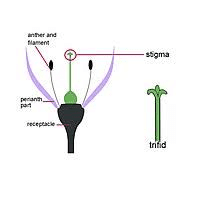
1. What are rubber stigmas?
Rubber stigmas are part of the female reproductive organs of rubber trees (Hevea brasiliensis) responsible for receiving pollen grains during the pollination process.
2. How do rubber stigmas contribute to rubber tree reproduction?
Rubber stigmas play a vital role in the sexual reproduction of rubber trees by receiving pollen grains from the male reproductive organs (anthers) and facilitating fertilization, leading to the formation of rubber seeds.
3. What is the importance of rubber stigmas in rubber cultivation?
Rubber stigmas are essential for seed production, genetic improvement, and nursery operations in rubber cultivation. They ensure the availability of quality seeds for planting, support breeding programs for developing improved rubber varieties, and influence the production of healthy seedlings in nurseries.
4. How are rubber stigmas pollinated?
Rubber stigmas are primarily pollinated by insects, particularly bees and flies, which visit rubber tree flowers in search of nectar. Pollen grains adhere to the stigma’s surface during insect visitation, initiating the pollination process.
5. Can rubber stigmas be artificially pollinated?
Yes, rubber stigmas can be artificially pollinated using controlled breeding techniques such as hand pollination. This method allows breeders to cross-pollinate selected parent trees to produce hybrid offspring with desired traits.
6. What factors influence the success of pollination in rubber stigmas?
The success of pollination in rubber stigmas depends on factors such as the availability of compatible pollen, the activity of pollinating insects, environmental conditions, and the timing of flower opening and pollen release.
7. Are there any threats to rubber stigma pollination?
Threats to rubber stigma pollination include habitat loss, pesticide use, climate change, and the decline of pollinator populations. Addressing these threats is crucial for ensuring successful pollination and seed production in rubber cultivation.
8. How do rubber stigmas contribute to genetic improvement in rubber trees?
Rubber stigmas support genetic improvement in rubber trees by facilitating controlled pollination and breeding programs aimed at developing improved varieties with desirable traits such as high latex yield, disease resistance, and environmental adaptability.
9. What research is being conducted on rubber stigmas?
Research on rubber stigmas encompasses various aspects of reproductive biology, pollination ecology, genetic diversity, and breeding strategies aimed at improving rubber tree productivity and sustainability.
10. How do rubber stigmas contribute to sustainable agriculture?
Rubber stigmas promote sustainable agriculture by facilitating environmentally friendly practices and resource management in rubber farming. They support the production of quality seeds and seedlings, genetic diversity conservation, and ecosystem resilience in rubber-growing areas.