


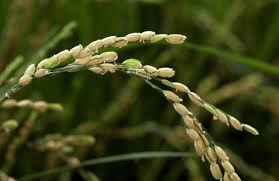
The sorghum panicle is a distinctive and crucial part of the sorghum plant, known scientifically as Sorghum bicolor. It is the flowering structure where the seeds, or grains, develop, and its formation is vital for the plant’s reproductive success and subsequent grain production.
The panicle is an inflorescence, which means it is a cluster of flowers arranged on a central stem or axis. In sorghum, the panicle is typically large, open, and branching, creating a loose, bushy structure at the top of the plant. The shape and size of the panicle can vary widely among different sorghum varieties, ranging from compact and dense to more widely spread.
Structurally, the sorghum panicle consists of a central axis from which secondary branches, called racemes, extend. Each raceme bears a number of small, individual flowers. The arrangement of these flowers on the branches can be quite complex, with each flower having its own set of reproductive structures. The panicle serves as a support for these flowers, ensuring they are well-positioned for pollination.
Sorghum flowers are small and inconspicuous, but they are crucial for seed development. Each flower contains both male and female parts: the stamens, which produce pollen, and the pistil, which receives pollen. Pollination in sorghum is generally achieved through wind, though insects may also play a role in transferring pollen from one flower to another. Once pollination occurs, the flowers develop into seeds.
The seeds of sorghum are encased in a protective layer called the lemma and palea, which are structures that help safeguard the developing grain. As the seeds mature, they accumulate nutrients and energy, becoming plump and hard. The process of seed development is essential for the crop’s yield, and factors such as pollination efficiency and environmental conditions can significantly impact the quality and quantity of the final harvest.
The panicle’s shape and size are influenced by various factors, including the sorghum variety, growing conditions, and plant health. For example, sorghum varieties adapted to dry climates often produce smaller, more compact panicles as a strategy to conserve water and minimize exposure to harsh environmental conditions. Conversely, varieties grown in more favorable conditions may produce larger, more open panicles with higher seed numbers.
In agricultural practice, the sorghum panicle is important for determining harvest time. Farmers monitor the panicles for signs of maturity, such as the hardening of seeds and the drying of the panicle structure. Harvesting is typically done when the seeds are fully mature and the panicle has dried sufficiently to prevent spoilage.
The sorghum panicle is a vital reproductive structure that plays a key role in seed development and grain production. Its complex arrangement of flowers and branches ensures effective pollination and seed formation, contributing to the overall yield of the sorghum crop. Understanding the structure and function of the panicle is essential for optimizing sorghum cultivation and maximizing agricultural output.
The Economic Importance and Uses of Sorghum Panicle

1. Grain Production: The panicle of sorghum is crucial for grain production, as it holds and distributes the seeds that are harvested for food and feed.
2. Animal Feed: The seeds from the panicle are used as high-nutrient feed for various livestock, including poultry, cattle, and pigs.
3. Biofuel Production: The seeds from the panicle can be processed into bioethanol, a renewable energy source.
4. Human Consumption: Sorghum grains from the panicle are used in a variety of foods, including porridges, breads, and baked goods.
5. Traditional Medicine: In some cultures, the grains from the panicle are used in traditional medicine for their purported health benefits.
6. Soil Improvement: After harvest, plant residues from the panicle, including husks and stalks, can be used to improve soil fertility.
7. Erosion Control: The panicle and plant residues contribute to soil stability, helping prevent erosion.
8. Organic Farming: Sorghum panicles can be integrated into organic farming practices to enhance soil health and reduce the need for synthetic inputs.
9. Nutritional Supplements: Grains from the panicle are processed into dietary supplements due to their high nutrient content.
10. Gluten-Free Products: Sorghum grains are naturally gluten-free, making them suitable for gluten-free diets and products.
11. Brewing Industry: Grains from the panicle are used in brewing traditional beverages and specialty beers.
12. Biodegradable Materials: Plant residues from the panicle can be processed into biodegradable packaging materials.
13. Animal Bedding: The husks and residues from the panicle can be used as bedding material for livestock.
14. Composting: Plant residues from the panicle are excellent for composting, contributing to high-quality compost.
15. Green Manure: Panicle residues can be used as green manure to enhance soil fertility.
16. Carbon Sequestration: Sorghum cultivation, including the panicle, helps capture carbon dioxide from the atmosphere, contributing to climate change mitigation.
17. Agroforestry Systems: Sorghum can be integrated into agroforestry systems to support sustainable land management and improve biodiversity.
18. Pest Control: Residues from the panicle can be used in creating natural pest control solutions.
Read Also: Recommended Volume of Water for Fish Farming on a Concrete Pond
The Products and By-products That Can Be Derived From Sorghum Panicle
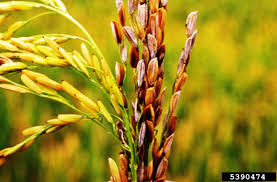
1. Edible Grains: The primary product from the panicle, used for human consumption and animal feed.
2. Bioethanol: Produced by fermenting the grains derived from the panicle.
3. Animal Feed: The grains are processed into high-nutrient feed for livestock.
4. Traditional Beverages: Grains from the panicle are used to make traditional drinks and beers.
5. Gluten-Free Flour: The grains can be ground into flour for gluten-free baking and cooking.
6. Nutritional Supplements: Processed grains are used in dietary supplements for their health benefits.
7. Biodegradable Packaging: Residues from the panicle can be processed into biodegradable packaging materials.
8. Compost: Residues from the panicle contribute to nutrient-rich compost.
9. Animal Bedding: Husks and other by-products from the panicle are used as bedding material for livestock.
10. Biochar: Plant residues from the panicle can be processed into biochar for soil improvement and carbon sequestration.
11. Natural Dyes: Extracts from the grains and residues can be used to produce natural dyes.
12. Textile Fibers: Fibers from the plant, including residues from the panicle, can be used in textile manufacturing.
13. Green Manure: Panicle residues can be plowed back into the soil to improve fertility.
14. Bioremediation Agents: Residues from the panicle can be used in bioremediation to clean contaminated soils.
15. Natural Adhesives: Extracts from the panicle can be processed into natural adhesives.
16. Water Filtration: The residues can be used in natural water filtration systems.
17. Green Building Materials: Panicle residues can be used in the production of eco-friendly building materials.
Read Also: Concrete Pond Management: Steps to take before introducing the Fish in the Water
Frequently Asked Questions (FAQ’s) About Sorghum Panicle
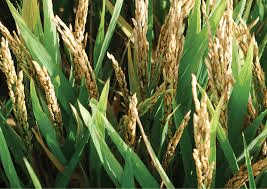
1. What is the primary use of the sorghum panicle?
The sorghum panicle is primarily used for grain production, providing seeds that are harvested for food, feed, and other applications.
2. Can sorghum panicle grains be used as animal feed?
Yes, grains from the sorghum panicle are used as high-nutrient feed for various livestock.
3. How do sorghum panicles contribute to soil health?
Plant residues from the panicle, including husks and stalks, improve soil fertility when decomposed.
4. Can sorghum panicle grains be used in biofuel production?
Yes, the grains can be processed into bioethanol, a renewable energy source.
5. Are sorghum panicle grains suitable for gluten-free products?
Yes, grains from the sorghum panicle are naturally gluten-free and used in gluten-free foods.
6. How do sorghum panicles help with erosion control?
The panicle and plant residues contribute to soil stability, helping to prevent erosion.
7. Can residues from the sorghum panicle be used for composting?
Yes, residues from the panicle are excellent for composting, contributing to high-quality compost.
8. Are sorghum panicle residues useful in crafting?
Yes, plant residues from the panicle can be used in crafting and creating biodegradable materials.
9. How do sorghum panicles contribute to carbon sequestration?
Sorghum cultivation, including the panicle, helps capture carbon dioxide from the atmosphere, aiding in climate change mitigation.
10. Can sorghum panicle residues be used in natural pest control?
Yes, residues from the sorghum panicle can be used to create natural pest control solutions.
Read Also: Adaptive Means of Animals Coping with the Environment