


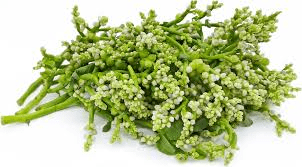
Spinach flowers, though often overlooked due to spinach being primarily cultivated for its leaves, play a crucial role in the plant’s reproductive cycle and seed production. Understanding spinach flowers sheds light on their structure, function, and the plant’s reproductive strategy.
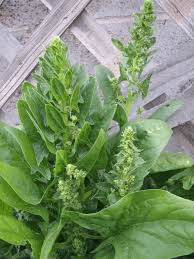
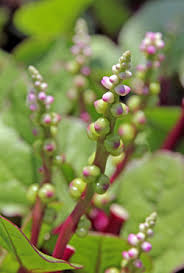
Spinach flowers are small and inconspicuous, typically greenish-yellow in color. They are borne on slender stalks and are arranged in clusters within the inflorescence, which emerges from the center of the leaf rosette. Each flower is bisexual, containing both male and female reproductive organs.
The male reproductive organs, known as stamens, consist of a filament topped by an anther. The anther produces pollen grains, which contain the male gametes (sperm cells). The female reproductive organ, called the pistil or carpel, consists of a stigma, style, and ovary. The stigma is the receptive surface where pollen grains land and germinate. The style connects the stigma to the ovary, which contains ovules that develop into seeds after fertilization.
Pollination in spinach flowers primarily occurs through wind (anemophily). Since spinach flowers lack showy petals or nectar that attract insects, they rely on wind currents to carry pollen from the anthers of one flower to the stigma of another flower. Once a pollen grain lands on the stigma and germinates, it forms a pollen tube that grows down through the style and delivers sperm cells to fertilize the ovules within the ovary.
Successful fertilization results in the development of seeds within the ovary. Each fertilized ovule becomes a seed, enclosed within a protective seed coat. The ovary itself matures into a fruit-like structure called a capsule or utricle, which contains several seeds.
In agricultural settings, spinach flowers are generally not encouraged to develop fully because the onset of flowering (bolting) often signals a decline in leaf quality and taste. This phenomenon is triggered by stress factors such as high temperatures or long daylight hours, which induce the plant to divert energy from leaf production to flower and seed formation.
To manage spinach cultivation effectively, farmers often grow varieties that are less prone to bolting or adjust planting times to avoid stress-inducing conditions. By controlling the onset of flowering, growers can prolong the harvest of high-quality spinach leaves, which are the primary marketable product.
While spinach flowers may seem insignificant compared to its leafy greens, they are integral to the plant’s reproductive cycle and seed production. Their structure and function illustrate spinach’s adaptation strategies for reproduction in its natural environment. Understanding spinach flowers not only enhances agricultural practices but also contributes to botanical research aimed at improving crop yield and sustainability.
The Economic Importance and Uses of Spinach Flowers
1. Nutritional Value: Spinach flowers are rich in vitamins and minerals, providing numerous health benefits. Example: Incorporating spinach flowers into salads for added nutrition.
2. Culinary Uses: Spinach flowers can be used in a variety of dishes for their unique flavor and texture. Example: Adding spinach flowers to soups and stews.
3. Herbal Medicine: Spinach flowers are used in traditional remedies for their medicinal properties. Example: Spinach flower tea to help with respiratory issues.
4. Animal Feed: Spinach flowers can serve as a nutritious feed for livestock. Example: Feeding spinach flowers to chickens.
5. Composting Material: Spinach flowers can be composted to produce organic fertilizer. Example: Adding spinach flowers to compost piles to enrich soil.
6. Natural Dye: Spinach flowers can be used to produce natural green dye. Example: Using spinach flower extract to dye fabrics.
7. Biodegradable Packaging: Fibers from spinach flowers can be used to create biodegradable packaging materials. Example: Spinach flower fiber packaging for eco-friendly products.
8. Paper Production: Spinach flower fibers can be used in the production of eco-friendly paper. Example: Making recycled paper with spinach flower fibers.
9. Biofuel: Spinach flowers can be processed to produce biofuel. Example: Converting spinach flower biomass into ethanol.
10. Food Industry: Spinach flowers can be used as a thickening agent in soups and sauces. Example: Pureeing spinach flowers to thicken vegetable soups.
11. Cosmetic Industry: Spinach flower extract is used in skincare products for its antioxidant properties. Example: Spinach flower serum in anti-aging creams.
12. Dietary Fiber: Spinach flowers are high in dietary fiber, which can be added to food products. Example: Adding spinach flower fiber to cereals and baked goods.
13. Agricultural Mulch: Dried spinach flowers can be used as mulch to retain soil moisture. Example: Using spinach flower mulch in organic farming.
14. Craft Materials: Spinach flowers can be used in crafting and DIY projects. Example: Making natural wreaths and decorations with dried spinach flowers.
15. Environmental Protection: Spinach flowers can be used in bioremediation to clean up contaminated soils. Example: Using spinach flowers in phytoremediation projects.
16. Edible Products: Spinach flowers can be cooked and eaten as a vegetable. Example: Stir-fried spinach flowers as a side dish.
17. Pharmaceutical Industry: Spinach flower extracts are used in pharmaceutical formulations. Example: Spinach flower extract in capsules for immune support.
18. Livestock Bedding: Spinach flowers can be used as bedding material for livestock. Example: Spinach flower bedding in poultry farms.
Read Also Principles and Techniques in Livestock Breeding (Methods of Genetic Improvement)
The Products and By-products That Can Be Derived From Spinach Flowers
1. Fresh Flowers: Harvested and sold fresh for consumption. Process: Harvesting and packaging.
2. Dried Flowers: Spinach flowers are dried for longer storage. Process: Drying and packaging.
3. Spinach Flower Powder: Dried and ground spinach flowers. Process: Drying and grinding.
4. Spinach Flower Extract: Liquid extract used in supplements. Process: Extraction and concentration.
5. Spinach Flower Juice: Fresh juice extracted from flowers. Process: Juicing.
6. Spinach Flower Chips: Baked or fried flowers. Process: Baking or frying.
7. Spinach Flower Fiber: Fibers extracted for use in textiles and paper. Process: Fiber extraction and processing.
8. Compost: Spinach flower waste turned into compost. Process: Composting.
9. Biofuel: Biofuel produced from flowers. Process: Biomass conversion.
10. Spinach Flower Dye: Natural dye extracted from flowers. Process: Extraction and application.
11. Animal Feed: Flowers used as livestock feed. Process: Harvesting and drying.
12. Herbal Remedies: Traditional remedies made from flowers. Process: Drying and formulating.
13. Agricultural Mulch: Dried flowers used as mulch. Process: Drying and application.
14. Food Thickener: Flowers pureed and used as a thickener. Process: Pureeing and adding to foods.
15. Biodegradable Packaging: Packaging materials made from flower fibers. Process: Fiber extraction and molding.
16. Craft Supplies: Flowers used in crafting projects. Process: Drying and preparing for crafts.
17. Pharmaceutical Ingredients: Extracts used in medicines. Process: Extraction and formulation.
Read Also Digestive Anatomy of Ruminants
Frequently Asked Questions (FAQ’s) About Spinach Flowers
1. What are spinach flowers?
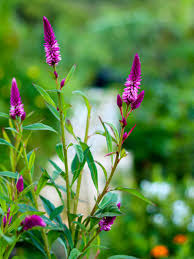
Spinach flowers are the blossoms of the spinach plant, which can be used in culinary, medicinal, and industrial applications.
2. Can spinach flowers be eaten?
Yes, spinach flowers can be eaten and are often used in salads, soups, and other dishes.
3. Are spinach flowers nutritious?
Yes, spinach flowers are rich in vitamins, minerals, and antioxidants, making them a nutritious addition to the diet.
4. How do you prepare spinach flowers for cooking?
Spinach flowers can be washed, chopped, and added to salads, soups, stir-fries, or used as a garnish.
5. Can spinach flowers be used in smoothies?
Yes, spinach flowers can be blended into smoothies for added nutrition and flavor.
6. How should spinach flowers be stored?
Fresh spinach flowers should be stored in the refrigerator and used within a few days. They can also be dried for longer storage.
7. Are there any health benefits to eating spinach flowers?
Yes, consuming spinach flowers can provide health benefits such as improved digestion, better bone health, and increased antioxidant intake.
8. Can spinach flowers be used in herbal remedies?
Yes, spinach flowers are used in traditional medicine for various health benefits, including respiratory and digestive support.
9. How do spinach flowers contribute to sustainability?
Spinach flowers can be used in various sustainable practices such as composting, biodegradable packaging, and biofuel production.
10. What are some creative uses for spinach flowers?
Spinach flowers can be used in crafting, as natural dyes, in gourmet cooking, and even in bioremediation projects.