


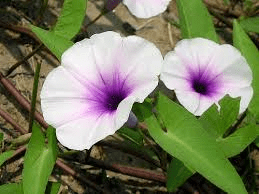
Spinach sepals are the outermost part of the spinach flower’s protective structure, serving several important functions in the reproductive process. Sepals are typically green, leaf-like structures that enclose and protect the developing flower bud before it blooms. In spinach, they play a crucial role in the initial stages of flower development and provide support and protection to the delicate inner floral parts.
The sepals of spinach flowers are usually fused together, forming a structure known as the calyx. The calyx surrounds and protects the developing flower bud, shielding it from physical damage and potential threats like insects or adverse weather conditions. This protective role is crucial during the early stages of flower formation when the delicate reproductive organs inside the bud are developing.
As the spinach flower matures and prepares for pollination, the sepals begin to open or split apart, allowing the flower bud to emerge. This process, known as dehiscence, facilitates the exposure of the inner floral parts—such as the petals, stamens, and pistil—to external factors necessary for successful pollination and fertilization.
While sepals primarily serve a protective function, they also contribute to the overall aesthetic appeal of the flower. In some species, including spinach, sepals may persist even after the flower blooms, providing structural support and maintaining the integrity of the developing fruit (utricle) that forms after successful fertilization.
In agricultural contexts, understanding the role of sepals in spinach flowers can aid in optimizing cultivation practices. For instance, monitoring the development and condition of sepals can provide insights into the plant’s reproductive health and potential yield. Additionally, studying sepals helps breeders and researchers understand the genetic diversity and evolutionary adaptations within the spinach species, contributing to efforts aimed at improving crop resilience and productivity.
Spinach sepals are integral components of the spinach flower’s anatomy, fulfilling protective, structural, and developmental roles essential for successful reproduction. Their presence and function highlight the plant’s adaptation strategies to thrive in various environmental conditions and contribute to its overall reproductive success.
The Economic Importance and Uses of Spinach Sepals
1. Nutritional Value: Spinach sepals contain nutrients beneficial for health. Example: Adding spinach sepals to salads for extra vitamins.
2. Culinary Uses: Sepals can be used in various dishes for their flavor and texture. Example: Sautéing spinach sepals with other vegetables.
3. Herbal Medicine: Spinach sepals are used in traditional remedies. Example: Spinach sepal tea for digestive health.
4. Animal Feed: Sepals can serve as nutritious feed for livestock. Example: Mixing spinach sepals with other feed for goats.
5. Composting Material: Spinach sepals can be composted to produce organic fertilizer. Example: Adding spinach sepals to compost heaps.
6. Natural Dye: Sepals can be used to produce green dye. Example: Extracting dye from spinach sepals for fabric coloring.
7. Biodegradable Packaging: Fibers from sepals can be used to create eco-friendly packaging. Example: Spinach sepal fiber packaging for sustainable products.
8. Paper Production: Sepal fibers can be used in making eco-friendly paper. Example: Creating recycled paper using spinach sepal fibers.
9. Biofuel: Sepals can be processed to produce biofuel. Example: Converting sepal biomass into ethanol.
10. Food Industry: Sepals can be used as a thickening agent in soups and sauces. Example: Pureeing sepals to thicken vegetable broths.
11. Cosmetic Industry: Sepal extract is used in skincare products for its antioxidant properties. Example: Spinach sepal extract in facial creams.
12. Dietary Fiber: Sepals are high in dietary fiber, beneficial for digestion. Example: Adding sepal fiber to cereals and baked goods.
13. Agricultural Mulch: Dried sepals can be used as mulch to retain soil moisture. Example: Using spinach sepal mulch in gardening.
14. Craft Materials: Sepals can be used in crafting projects. Example: Making natural decorations with dried spinach sepals.
15. Environmental Protection: Sepals can be used in bioremediation to clean up contaminated soils. Example: Using spinach sepals in phytoremediation projects.
16. Edible Products: Sepals can be cooked and eaten as part of a meal. Example: Boiled spinach sepals as a side dish.
17. Pharmaceutical Industry: Sepal extracts are used in pharmaceutical formulations. Example: Spinach sepal extract in dietary supplements.
18. Livestock Bedding: Sepals can be used as bedding material for livestock. Example: Spinach sepal bedding in poultry farms.
Read Also: How often you need to Change Water in your Fish Farm
The Products and By-products That Can Be Derived From Spinach Sepals
1. Fresh Sepals: Harvested and sold fresh for consumption. Process: Harvesting and packaging.
2. Dried Sepals: Spinach sepals are dried for longer storage. Process: Drying and packaging.
3. Spinach Sepal Powder: Dried and ground sepals. Process: Drying and grinding.
4. Spinach Sepal Extract: Liquid extract used in supplements. Process: Extraction and concentration.
5. Spinach Sepal Juice: Fresh juice extracted from sepals. Process: Juicing.
6. Spinach Sepal Chips: Baked or fried sepals. Process: Baking or frying.
7. Spinach Sepal Fiber: Fibers extracted for use in textiles and paper. Process: Fiber extraction and processing.
8. Compost: Spinach sepal waste turned into compost. Process: Composting.
9. Biofuel: Biofuel produced from sepals. Process: Biomass conversion.
10. Spinach Sepal Dye: Natural dye extracted from sepals. Process: Extraction and application.
11. Animal Feed: Sepals used as livestock feed. Process: Harvesting and drying.
12. Herbal Remedies: Traditional remedies made from sepals. Process: Drying and formulating.
13. Agricultural Mulch: Dried sepals used as mulch. Process: Drying and application.
14. Food Thickener: Sepals pureed and used as a thickener. Process: Pureeing and adding to foods.
15. Biodegradable Packaging: Packaging materials made from sepal fibers. Process: Fiber extraction and molding.
16. Craft Supplies: Sepals used in crafting projects. Process: Drying and preparing for crafts.
17. Pharmaceutical Ingredients: Extracts used in medicines. Process: Extraction and formulation.
Read Also: 14 Medicinal Health Benefits of Ghost Pepper (Capsicum Chinese)
Frequently Asked Questions (FAQ’s) About Spinach Sepals
1. What are spinach sepals?
Spinach sepals are the small, leaf-like parts that protect the spinach flower before it blooms.
2. Can spinach sepals be eaten?
Yes, spinach sepals can be eaten and are used in various culinary dishes.
3. Are spinach sepals nutritious?
Yes, spinach sepals are rich in vitamins, minerals, and dietary fiber.
4. How do you prepare spinach sepals for cooking?
Spinach sepals can be washed, chopped, and added to salads, soups, stir-fries, or used as a garnish.
5. Can spinach sepals be used in smoothies?
Yes, spinach sepals can be blended into smoothies for added nutrition.
6. How should spinach sepals be stored?
Fresh spinach sepals should be stored in the refrigerator and used within a few days. They can also be dried for longer storage.
7. Are there any health benefits to eating spinach sepals?
Yes, consuming spinach sepals can provide health benefits such as improved digestion, better bone health, and increased antioxidant intake.
8. Can spinach sepals be used in herbal remedies?
Yes, spinach sepals are used in traditional medicine for various health benefits, including digestive support.
9. How do spinach sepals contribute to sustainability?
Spinach sepals can be used in various sustainable practices such as composting, biodegradable packaging, and biofuel production.
10. What are some creative uses for spinach sepals?
Spinach sepals can be used in crafting, as natural dyes, in gourmet cooking, and even in bioremediation projects.