


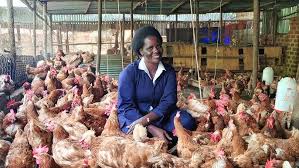
Starting a poultry farm with limited money is a common challenge, especially in places like Nigeria. The key is to first look at what cash you have and what type of birds interest you most.
Cockerels usually cost the least to start and keep going. Day-old chicks are cheap, and they don’t eat as much feed as older ones. Check with local hatcheries or farmers for today’s prices, as they change often. Broiler chicks might cost around ₦1,600–1,800 each, layers are higher at ₦1,000+, and cockerels much lower.
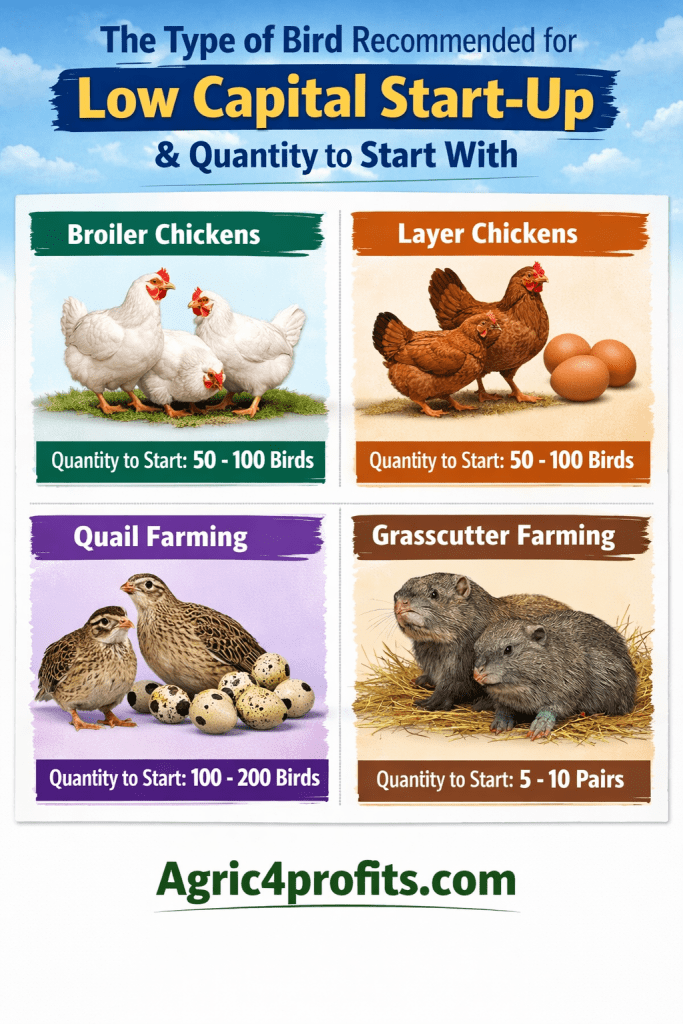
But your interest counts a lot. If you only have enough for 50 layers and you really like egg production, go for it. You can grow from there as you sell eggs and reinvest. How many birds to begin with comes down to your space, budget, and who you will sell the meat or eggs to.
Broilers and cockerels sell best around holidays like Christmas, Easter, Ramadan, or New Year when people want meat and prices go up. Layers (pullets) bring in money year-round because eggs are needed every day.
Note: Don’t take on more birds than you can handle well. Too many in one place causes sickness, deaths, and less profit.
Read Also: 6 Ways to Enhance Egg Production and Maximize Profits on Layers
1. Egg Producing Poultry Breeds
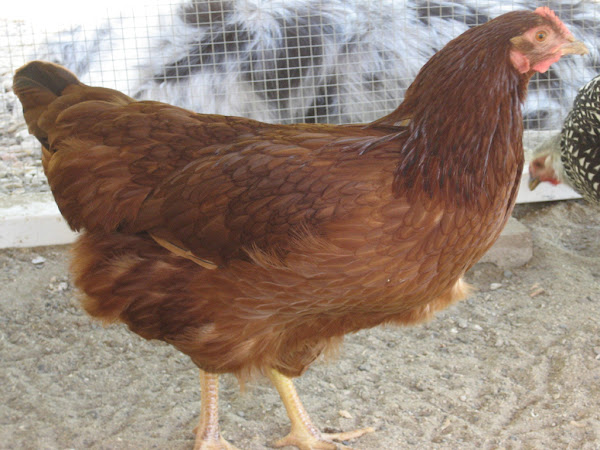
Layers are chickens raised mainly for eggs. Most good commercial layers start producing at 5–6months and give 275–300 eggs a year. Some top ones hit 330.
Common breeds are Leghorn, Minorca, Ancona, Fayoumi, ISA Brown, Babcock, Star Cross, Lohmann, Hy-Line Brown, and Bovans Brown.
In Nigeria and similar hot areas, ISA Brown, Lohmann Brown, and Hy-Line Brown do well. They handle heat, lay plenty, and stay healthy.
What makes Egg Producing Poultry Breeds (Layers) stand out:
1. Comparatively lighter weight.
2. Early sexual maturity: They start laying sooner.
3. Low egg incubation tendency.
4. Start laying eggs within 5–6months of age.
5. High feed-to-egg conversion efficiency.
6. Lower body fat content.
7. Very high egg-producing capacity.
8. Produce large-sized eggs.
2. Meat Producing Poultry Breeds
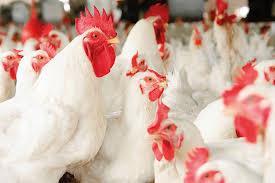
The meat is tender and tasty. They reach 2–2.5kg in 7–8weeks on about 4kg of feed. You can sell them in just 8 weeks, so cash comes back fast.
Popular ones include Starbro, Plymouth Rock, Cornish, Sussex, Brahma, Hy-Line, Rose Broiler, Asil, Cochin, and commercial ones like Cobb 500 and Ross 308. These two are favorites in Nigeria for quick growth and good feed use.
Key features of Meat Producing Poultry Breeds:
1. Comparatively heavier weight.
2. Do not incubate their eggs: All energy goes to growing.
3. High food-to-meat conversion efficiency.
4. Very fast growth rate.
5. Higher body fat content.
6. Low egg-producing power.
7. Reach very large sizes quickly.
Read Also: importance of records maintenance in the poultry farm
3. Dual-Purpose Poultry Bird Breeds
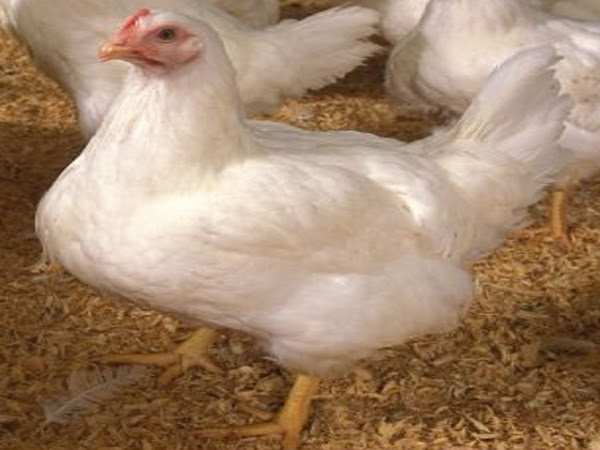
These birds give both meat and eggs, good if you want options without picking one side. Common ones are New Hampshire, Australorp, Rhode Island Red, Plymouth Rock, and local hybrids like Noiler and Kuroiler. In Nigeria and Africa, Noiler and Kuroiler are tough, resist diseases, eat local feeds or scraps, and do well with less input.
Characteristics of Dual-Purpose Poultry Bird Breeds:
1. Medium-sized body.
2. High weight gain.
3. Some tendency for hatching eggs.
4. Lay fewer eggs.
5. Balanced body fat ratio.
6. Good growth rate.
7. Fast maturity.
Pick layers for steady egg money, broilers or cockerels for fast meat sales, or dual-purpose for balance. It all depends on your goals, cash, and what sells where you are. As a beginner, start small. You learn as you go, make fewer mistakes, and build up without big risks.
Summary on Choosing The Right Poultry Breeds for Low-Capital Start
| Aspect | Layers (Egg Production) | Broilers (Meat Production) | Dual-Purpose Breeds | Cockerels (Often for Meat) |
|---|---|---|---|---|
| Startup Capital | Higher (longer wait for income) | Lower to medium (quick cycle) | Medium | Lowest (cheap chicks, minimal feed) |
| Time to First Income | 5–6months | 7–8weeks | Varies (eggs ~5months, meat earlier) | 3–6months depending on growth |
| Annual Output | 275–330 eggs per bird | 2–2.5kg meat per bird | Moderate eggs + good meat | Good meat yield, slower than broilers |
| Market Timing | Year-round (consistent egg demand) | Festive seasons (high demand periods) | Flexible | Festive seasons or steady local sales |
| Best For Beginners | If interested in steady income | For quick returns with low capital | Balanced option, hardy in tropics | Lowest risk entry point |
| Popular Breeds (Nigeria/Africa) | ISA Brown, Lohmann, Hy-Line | Cobb 500, Ross 308 | Noiler, Kuroiler, Rhode Island Red | Local hybrids or slow-growers |
| Key Advantage | Long-term stable income | Fast turnover and profit | Versatility | Minimal maintenance cost |
Frequently Asked Questions About Choosing Poultry Breeds for Low-Capital Start
1. What is the best poultry type to start with low capital?
Cockerels or broilers usually work best. Chicks cost less, feed per cycle is lower, and you see returns in 6–8weeks.
2. Are layers profitable for beginners with limited funds?
They need more money up front and a longer wait (5–6months), but eggs give steady income once they start laying.
3. How many birds should a beginner start with?
Keep it small, 50 to 200 birds depending on your space, money, and how well you can care for them to avoid losses.
4. Which breeds are best for egg production in tropical areas like Nigeria?
ISA Brown, Lohmann Brown, Hy-Line Brown, and Bovans Brown handle heat well and lay a lot.
5. What are the advantages of dual-purpose breeds?
They give both eggs and meat, stay hardy like Noiler or Kuroiler, and do okay on local feeds or scraps good for low-input setups.
6. When is the best time to raise broilers or cockerels?
Aim for festive times like Christmas, Easter, Ramadan, and New Year when demand jumps and prices rise.
7. Can I start poultry farming without much experience?
Yes. Start small to learn hands-on. Get advice from experts, focus on basics like feed, housing, and keeping things clean.
8. What factors determine how many birds I can raise?
Your cash, housing space, how much you can manage daily, and market demand. Never crowd them health and profit suffer.
9. Are broilers more profitable than layers?
Broilers often give faster cash with less starting money, while layers build more stable returns over time. It depends on what you want and your local market.
10. How important is interest in choosing a poultry type?
It matters a lot. If you care about it, you’ll manage better and stick with it even if you start small with your favorite type.
Do you have any questions, suggestions, or contributions? If so, please feel free to use the comment box below to share your thoughts. We also encourage you to kindly share this information with others who might benefit from it. Since we can’t reach everyone at once, we truly appreciate your help in spreading the word. Thank you very much for your support and for sharing!
Read Also: 9 Impressive Health Benefits of Onions