


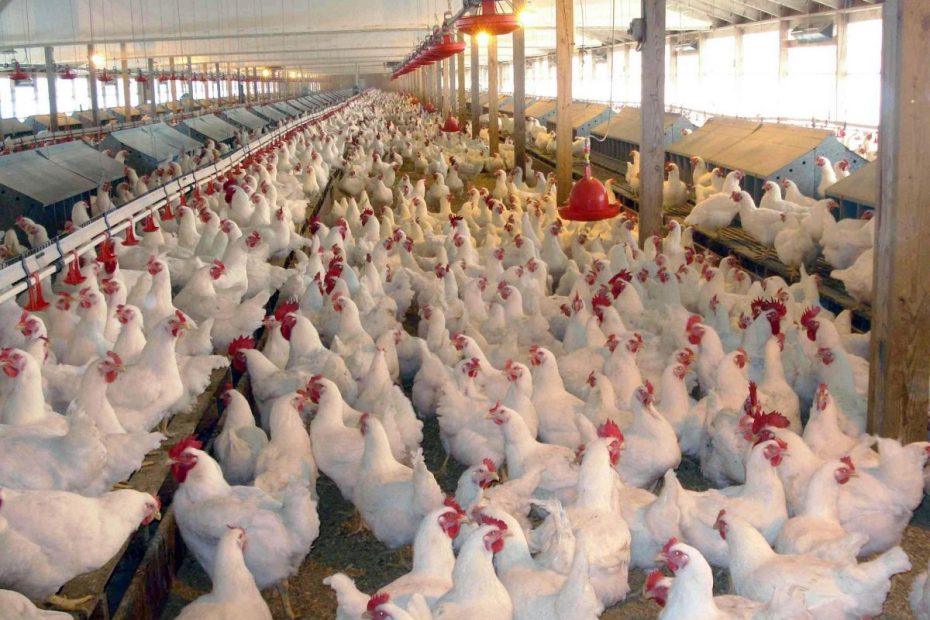
Poultry farming is one of the most profitable agricultural businesses you can start in Nigeria today. The demand for chicken and eggs never drops. Every household, hotel, restaurant, and food vendor needs poultry products consistently, and local production has never been enough to fully meet that demand. Nigeria still imports chicken from other countries because what local farmers produce cannot satisfy a population of over 180 million people. That gap is an opportunity.
A good poultry farmer in Nigeria can earn above N15 million per year depending on the scale of the operation. Even on a smaller scale, the returns are attractive when the business is run with proper knowledge and discipline. This article covers everything you need to know to get started the right way.
1. Why Poultry Farming is a Smart Business
Poultry farming creates real business opportunities and employment. Chicken and eggs are among the most widely consumed protein sources in the world. No tribe, religion, or country forbids chicken. Everyone eats it, which is why poultry products sell fast and stay in high demand regardless of economic conditions.
Every child needs at least one egg a day for healthy growth. Every adult benefits from regular consumption. As long as people need protein, there is a market for poultry products.
The business has three main categories of birds, each with its own advantages:
i. Layers: Reared for egg production. The most lucrative of the three but also the most demanding to manage. Layers can produce both eggs and meat, giving you two income streams from a single flock.
ii. Broilers: Reared for meat. They grow very fast and are ready for sale at around 12 weeks from hatch. Good for quick turnover.
iii. Cockerels: Also reared for meat but grow more slowly, taking up to 24 weeks before they are mature enough for market. They are more resilient than layers and broilers and better able to withstand harsh conditions.
2. What You Need Before You Start
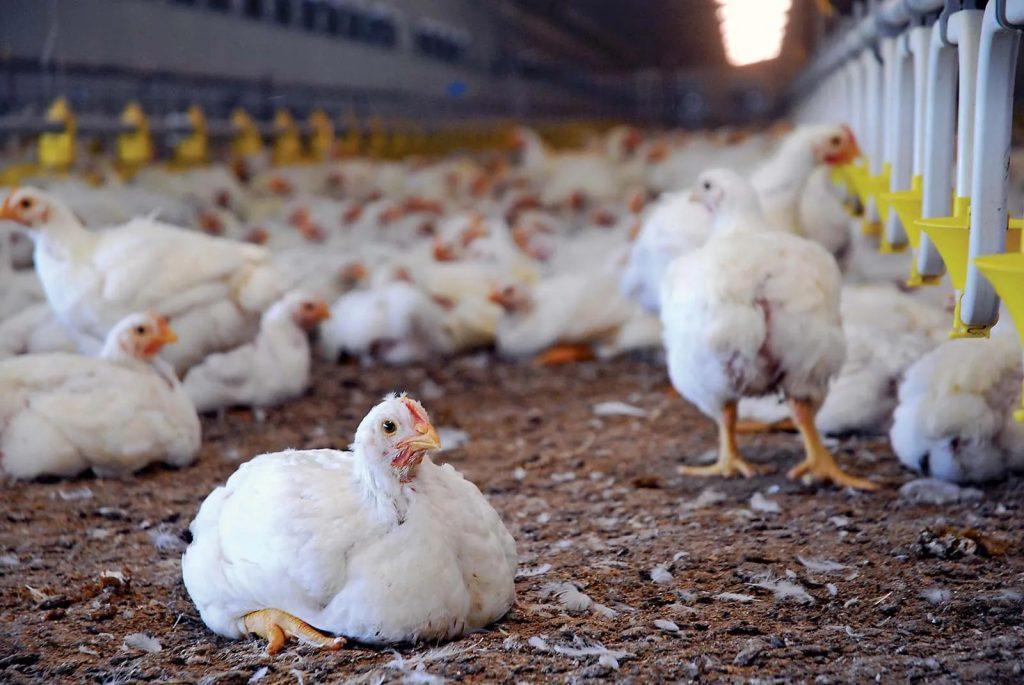
Success in poultry farming does not come from money alone. Knowledge is what makes the business work. You can have all the capital you need and still fail if you do not understand what to do at each stage of the production cycle. If you plan to hire someone to manage the farm for you, make sure that person has proven knowledge and can be fully trusted. If there is any doubt about the trust, do not hand over your investment.
Before starting, sit down and calculate all the costs involved. Starting small is a smart way to learn the business without exposing yourself to large losses. Once you have built experience and confidence, you can scale up.
Read Also: Coccidiosis Disease in Poultry Farming and How to Tackle / Treat it
3. Basic Requirements to Set Up a Poultry Farm
A. Land
Land is the first and most important requirement. A plot of 120 by 60 square meters is a reasonable size to start a medium-scale poultry farm. It is also the most expensive part of the setup, particularly in cities like Lagos and Abuja.
Look for land in a rural or peri-urban area rather than a densely populated neighborhood. Poultry farming produces odors that can cause problems with residents nearby, and some local authorities do not permit it in residential areas. Rural land is cheaper, keeps you out of regulatory trouble, and allows room to expand. Your products can be transported to urban markets for sale.
Own your land if at all possible. Renting creates a risk of being asked to leave at any time, and relocating a farm always comes with significant costs.
B. Chicken House
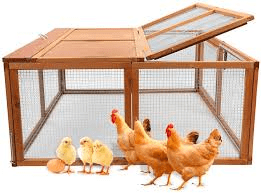
The chicken house is the second most important requirement. It does not have to be expensive, but it must be functional. The house must be spacious enough for the birds to move freely, well ventilated, and designed to allow you to control airflow and temperature.
Do not compromise on space. Overcrowded birds suffer from heat stress, disease spread, and suffocation, all of which translate directly into financial losses. If you are going for large-scale construction, hire a qualified engineer. If you are starting small, visit a well-run poultry farm near you to see how the housing is arranged before building your own.
Light must be available consistently in the house. During cold or rainy seasons when temperatures drop, adequate light and heat keep young birds warm and active. Make sure you have a reliable power source or a backup system.
C. Day Old Chicks
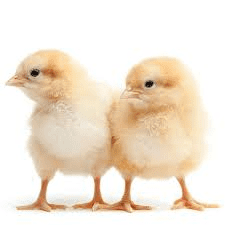
This is where the production cycle begins. Buy your chicks from a reputable hatchery that specializes in supplying healthy day-old birds. Do not pay anyone until you have physically seen the chicks you are buying. The estimated price for day-old chicks in Nigeria ranges from N120 to N250 per bird, and you can negotiate better prices when buying in bulk.
The productivity of your entire flock starts with how healthy the chicks are at day one. Source only from healthy, certified hatcheries.
During the first seven to nine weeks, check on your chicks frequently, at least five times a day in the early weeks. Young chicks cannot regulate their own body temperature and depend on an external heat source to stay warm. Keep their feed and water clean, protect them from predators and excessive handling, and monitor the brooder temperature consistently.
Read Also: Sheep 101: Wool production
D. Caring for Growing Chickens
Once chicks pass the brooding stage, they become pullets and cockerels. Daily care from this point involves keeping feed and water fresh, collecting eggs regularly, monitoring health, and making sure the birds are protected from predators at all times.
Most layers begin laying eggs at 18 weeks of age, though some wait until about 22 weeks. Once laying begins, the financial returns become very clear. A full crate of large eggs can sell for N750 at wholesale price. If your farm produces 10,000 crates, that is N7,500,000 from eggs alone. The birds themselves, when sold for meat, add another significant income stream. Ten thousand chickens at N1,500 each at wholesale gives you N15,000,000 from bird sales.
These numbers show why layer farming is considered the most lucrative category in poultry production.
Summary on Poultry Farming Business in Nigeria

| Topic | Key Points |
|---|---|
| Why Poultry Farming | High and consistent demand, no cultural or religious barriers, dual income from eggs and meat. |
| Earning Potential | Above N15 million per year at scale. N7.5 million from eggs and N15 million from bird sales for 10,000 birds. |
| Types of Birds | Layers for eggs, broilers for fast meat production at 12 weeks, cockerels for slower but more resilient meat production at 24 weeks. |
| Land | 120 x 60 sq meters minimum for medium scale. Buy rather than rent. Rural areas are cheaper and less restrictive. |
| Chicken House | Must be spacious, well ventilated, and temperature controlled. Never overcrowd. Hire an engineer for large-scale builds. |
| Day Old Chicks | Buy from certified hatcheries. N120 to N250 per chick. Never pay before seeing the birds. |
| Chick Care | Check at least 5 times daily in early weeks. Maintain heat, clean water, and feed. Protect from predators. |
| Knowledge | More important than capital. Know what to do at each stage. Only entrust the farm to someone with proven knowledge. |
Frequently Asked Questions About Poultry Farming Business in Nigeria
1. How much capital do I need to start a poultry farm in Nigeria?
The amount depends on your scale. A small backyard operation can start with very little. A medium-scale farm of around 500 birds requires capital for land or rent, housing construction, day-old chicks, feed for the first few months, equipment, and drugs. Plan your budget carefully before starting and calculate costs at each stage so there are no surprises midway through the production cycle.
2. Which type of poultry is most profitable in Nigeria?
Layer farming is widely considered the most profitable because you earn from two sources simultaneously, egg sales and eventual bird sales for meat. Broilers offer faster turnover with a 12-week cycle. Cockerels are more resilient and lower maintenance but take longer to mature at around 24 weeks.
3. Where should I locate my poultry farm?
Choose a rural or peri-urban location where land is cheaper and there are fewer restrictions on farming activities. Avoid densely populated residential areas where the smell from the farm may cause complaints and where local regulations may prohibit poultry farming. Products can always be transported to urban markets for sale.
4. Should I buy or rent land for my poultry farm?
Buying is always better if you can afford it. Rented land creates the risk of being asked to leave at any time. Relocating a functioning farm is expensive and disruptive. If renting is the only option at the start, negotiate the longest possible lease and begin working toward owning your land as soon as possible.
5. Where do I buy healthy day-old chicks in Nigeria?
Buy from certified hatcheries that specialize in producing and supplying day-old chicks. Ask experienced farmers in your area for recommendations on reputable hatcheries. Never pay for chicks you have not physically seen, and inspect the birds for signs of good health before accepting delivery.
6. How soon do layers start laying eggs?
Most layers begin laying at 18 weeks of age. Some may take until 22 weeks. Once they start, egg production becomes a consistent daily income source for the farm.
7. Can I start a poultry farm without prior experience?
You can start without experience, but you must invest heavily in learning before you invest money in birds. Visit established farms, read widely, attend agricultural training programs, and speak to experienced farmers. Many losses in poultry farming come from a lack of knowledge about disease management, feed rationing, and bird behavior. Starting small while you learn is the safest approach.
8. What if I have capital but no time to manage the farm?
You can hire a farm manager, but this comes with risk. The person must have solid knowledge of poultry production and must be completely trustworthy. Poor management or dishonesty can quickly erode your investment. If you are not confident you can find someone who meets both requirements, it is better to wait until you can manage the farm yourself or find a reliable partner.
9. How do I protect my chicks in the early weeks?
During the first seven to nine weeks, chicks need consistent heat, clean water, fresh feed, and protection from predators and cold. Check on them at least five times a day in the early weeks. Use reliable feeders designed for chicks that prevent them from tipping over and wasting feed. Maintain a stable temperature in the brooder and make sure light is available at all times.
10. Is poultry farming in Nigeria a sustainable long-term business?
Yes. Demand for poultry products in Nigeria continues to grow as the population increases. Local production has never been sufficient to meet demand, which is why the country still imports chicken. Farmers who build well-managed, knowledge-driven operations have strong long-term prospects. The key to sustainability is continuous learning, good health management, financial discipline, and reinvesting profits back into the farm to grow its capacity over time.
Do you have any questions, suggestions, or contributions? If so, please feel free to use the comment box below to share your thoughts. We also encourage you to kindly share this information with others who might benefit from it. Since we can’t reach everyone at once, we truly appreciate your help in spreading the word. Thank you very much for your support and for sharing!
Read Also: Anatomy of Fishes: Female Fish and their Reproductive Strategies
Wow! This is well detailed. Thanks so much. I just started with 60 broilers just to understand the business. I’m looking forward to expand. Thanks a lot. I don’t know if you have a group non Facebook where I can follow you.