


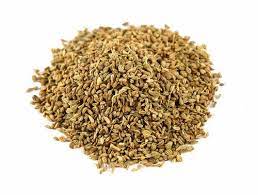
Thyme seeds are tiny, oval-shaped seeds derived from the thyme plant (Thymus vulgaris), an aromatic herb commonly used in cooking and for its medicinal properties. Thyme is a low-growing perennial herb that belongs to the mint family (Lamiaceae) and is native to the Mediterranean region. The seeds of the thyme plant, like the leaves and flowers, carry a distinctive fragrance and flavor that is both savory and slightly earthy.
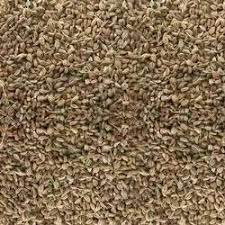
Thyme seeds are very small, measuring about 1-2 millimeters in length. They are usually dark brown to black in color and have a smooth, glossy surface. Thyme seeds have a strong, aromatic fragrance that is reminiscent of the thyme herb. Their flavor is similar, with a combination of earthy, minty, and slightly peppery notes. Thyme seeds contribute to the overall flavor profile of dishes, especially in Mediterranean and Middle Eastern cuisines.
Thyme seeds are commonly used as a spice or seasoning in a variety of dishes. They are often employed in rubs, marinades, and spice blends, such as za'atar. Thyme seeds add depth and a unique flavor to roasted meats, poultry, stews, soups, and vegetables. a Thyme, including its seeds, is believed to have various medicinal properties. It has been used traditionally in herbal remedies for its potential benefits, including as a natural remedy for coughs, sore throats, and digestive issues. Thyme seeds are a source of essential oils and compounds that are known for their antimicrobial and antioxidant properties.
Thyme seeds are typically harvested from mature thyme plants. Thyme is a hardy herb and can be grown in various climates. The seeds can be collected by drying the flower heads and then separating the seeds from the chaff. To maintain the freshness and flavor of thyme seeds, it is best to store them in an airtight container in a cool, dark place away from direct sunlight. Proper storage can help preserve the seeds for an extended period.
Thyme seeds are a versatile culinary ingredient that enhances the taste of many dishes and is appreciated for its potential health benefits. They are a valuable addition to any kitchen, especially for those who enjoy exploring Mediterranean and Middle Eastern cuisine.
The Economic Importance and Uses of Thyme Seeds
Thyme seeds, like the herb thyme (Thymus vulgaris), have several economic and practical uses due to their aromatic and medicinal properties. Here are some of the economic importance and uses of thyme seeds:
🌿 Go Organic on Your Farm: Instead of harmful chemical pesticides and fertilisers, try our organic farming products — including neem oil spray, bio-pesticides, natural plant treatments, organic seeds and seedlings, suckers, and many more organic products that are safe for your health, your family, your soil and your harvest. Shop Now →
1. Seasoning: Thyme seeds are a common culinary spice used to season a variety of dishes, including soups, stews, roasted meats, and vegetables. They contribute a distinct earthy, slightly minty flavor to recipes.
2. Spice Blends: Thyme seeds are often included in spice blends such as herbes de Provence, za'atar, and bouquet garni.
3. Natural Preservative: Thyme seeds have antimicrobial properties due to the presence of thymol, making them useful for preserving and flavoring pickles and fermented foods.
4. Herbal Medicine: Thyme seeds have been used in traditional herbal medicine to treat various ailments. Thymol, one of the compounds in thyme seeds, is known for its potential antiseptic, anti-inflammatory, and antioxidant properties.
🔧 Free Farm Tool Available: Use our free Agric4Profits Farm Tools to calculate your farm profits, formulate feeds, identify pests and diseases on both your crops and animal farms, plan your planting and harvesting season, including many more farm tasks to get free expert advice and recommendations — completely free, no registration required. Access Free Tools →
5. Cough Remedies: Thyme seeds are a common ingredient in cough syrups, lozenges, and herbal teas due to their potential ability to soothe sore throats and alleviate coughs.
6, Digestive Aid: Thyme seeds may be used to make herbal teas that help relieve digestive issues such as indigestion and gas.
7. Essential Oil Production: Thyme essential oil is extracted from thyme seeds and is widely used in aromatherapy and the cosmetic industry. It is known for its pleasant aroma and potential health benefits, such as stress relief and respiratory support.
8. Thyme Cultivation: The cultivation of thyme, from which thyme seeds are derived, can be economically significant in regions with suitable climates. Thyme is grown as a cash crop, providing income for farmers.
9. Fragrance: Thyme essential oil is used in the production of perfumes and cosmetics due to its pleasant scent.
💬 Have a Farming Question? Join thousands of farmers across Africa on the Agric4Profits Community — ask questions, share experiences and connect with agricultural experts. It is completely free. Ask Your Question Now →
10. Skin Care: Some cosmetics and skincare products use thyme oil for its purported benefits in treating skin conditions and promoting healthy skin.
11. Livestock and Poultry Feed: Thyme seeds and thyme-derived products can be included in animal feed as natural additives, possibly enhancing the health and growth of livestock and poultry.
12, Insect Repellent: Thyme essential oil, with its high thymol content, can be used as a natural insect repellent in agriculture and home gardening.
13. Aromatherapy: Thyme essential oil is used in aromatherapy for its potential calming and soothing effects when diffused in the air or used in massage.
Read Also: Thyme Flowers: Economic Importance, Uses, and by-Products
14. Beverage Production: Thyme seeds are occasionally used to flavor alcoholic beverages and liqueurs, adding a unique herbal and aromatic element.
The Products and By-products That Can Be Derived From Thyme Seeds
Thyme seeds, derived from the thyme plant (Thymus vulgaris), are used for various culinary and medicinal purposes. They can be processed to obtain several products and by-products.
Here's a list of the products and by-products that can be derived from thyme seeds:
📖 Want to Go Deeper on This Topic?
Our expert agricultural ebooks cover poultry, fish farming, different crops production, snail farming, organic farming, mushrooms, sheep, cattle, flowers, pig farming, goat farming, agribusiness, etc. in practical step-by-step detail — written by agricultural professionals for African farmers.
Browse All Farming Ebooks →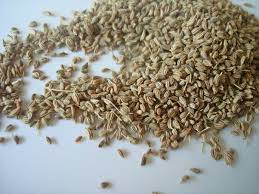
1. Thyme Oil: Thyme essential oil is one of the primary products obtained from thyme seeds. It is extracted through steam distillation. Thyme oil has a strong, aromatic fragrance and is used in aromatherapy, perfumes, and as a flavoring agent in food.
2. Thyme Powder: Thyme seeds can be ground into a fine powder. Thyme powder is a common culinary seasoning used to flavor dishes like soups, stews, and roasted meats.
3. Herbal Tea: Thyme seeds or dried thyme leaves can be used to make herbal tea. Thyme tea is believed to have various health benefits, including soothing sore throats and aiding digestion.
4. Medicinal Tinctures: Thyme seeds can be used to prepare tinctures that are used in traditional herbal medicine for their potential therapeutic properties, such as respiratory relief and digestive support.
5. Seasoning Mixes: Thyme seeds and powdered thyme are often included in various seasoning blends, such as Italian seasoning, poultry seasoning, and fines herbes, to add flavor and aroma to dishes.
6. Culinary Oils: Infused oils can be made by steeping thyme seeds or dried thyme leaves in a carrier oil (e.g., olive oil). Thyme-infused oils are used in cooking and salad dressings.
7. Thyme-Flavored Vinegar: Thyme seeds and fresh thyme can be added to vinegar, creating a flavorful thyme-infused vinegar that can be used in dressings and marinades.
8. Potpourri: Dried thyme, including seeds and leaves, can be used in potpourri blends and sachets for their pleasant aroma.
9. By-products: Thyme Residue: After the essential oil extraction process, there may be a residue or spent thyme seeds. This residue can be used as animal feed or compost.
10. Thyme Seed Husks: The outer husks of thyme seeds can be a by-product during the milling process when producing thyme powder. These husks may be discarded or used as animal feed.
11. Thyme-Infused Water: When making thyme tea or tinctures, there may be thyme-infused water left as a by-product. This water can be consumed as a mild thyme-flavored beverage.
In conclusion, thyme seeds and their derivatives are versatile and have both culinary and medicinal applications, making them a valuable resource in the kitchen and traditional herbal medicine.
Read Also: Is the Saltwater Crocodile a Threat to Humans?
🌱 Take Your Farming Further With Agric4Profits
Based on what you just read, here are free resources and products from Agric4Profits that can help your farm right now:
- 🛒 Visit Our Marketplace — Organic neem oil, bio-pesticides, seeds and farming products
- 📚 Read Premium Content — Advanced guides for serious and profitable farming
- 🎓 Join Our Free Academy — Structured free training for farmers across Africa
- 🔧 Use Our Free Farm Tools — Profit calculators, feed formulation, pest identifier and more
- 💬 Join Our Farming Community — Connect with farmers across all 54 African countries
- ❓ Ask a Farming Question — Get answers from experienced farmers and agricultural experts
Please cite this content in academic work, research, or publications.