


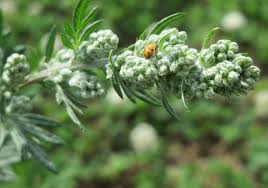
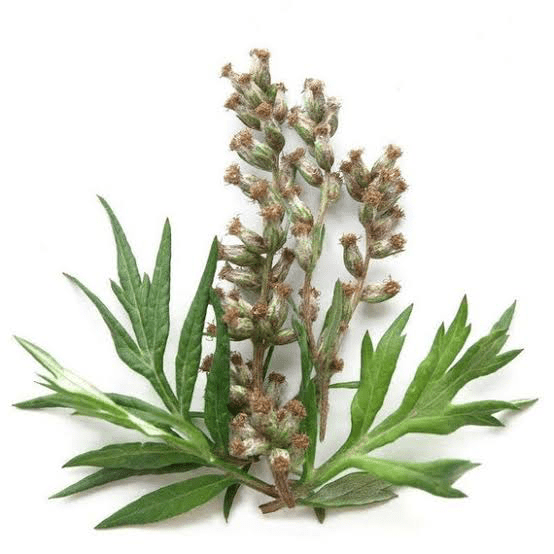
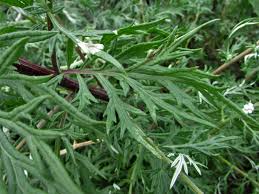
Artemisia vulgaris typically grows to a height of 2 to 4 feet (60 to 120 cm). The stem is usually reddish-brown and covered with fine hairs. The leaves are deeply lobed, alternate, and dark green on the upper surface with a silvery-white underside. They have a pinnate or bipinnate shape, and their edges are finely serrated.
Artemisia vulgaris produces small, inconspicuous flowers in clusters. These flowers are often a pale yellow or reddish-brown color. The plant blooms from mid-summer to early autumn. The roots of Mugwort are rhizomatous, meaning they grow underground horizontally, producing new shoots and plants.
One of the distinctive features of Artemisia vulgaris is its strong, aromatic scent. When the leaves are crushed or bruised, they release a fragrance that is often described as earthy and slightly bitter.
Mugwort is a hardy plant that thrives in various environments, including roadsides, waste areas, meadows, and along riverbanks. It is native to Europe and Asia but has become naturalized in many parts of North America.
Artemisia vulgaris prefers well-drained soil and can tolerate a range of soil types, including sandy, loamy, and clay soils. It thrives in full to partial sunlight and is known for its ability to adapt to different growing conditions.
Mugwort can be propagated from seeds, division of established plants, or by taking root cuttings.
Artemisia vulgaris has a rich history of use in traditional medicine and rituals in various cultures. It has been used for its medicinal properties and as an ingredient in herbal remedies.
Read Also: All You Need To Know About Soft Grass
The Medicinal Health Benefits of Artemisia vulgaris (Mugwort)
1. Digestive Aid: Artemisia vulgaris can relieve indigestion, reduce bloating, and alleviate flatulence, promoting healthy digestion.
2. Menstrual Pain Relief: It helps ease menstrual cramps and discomfort due to its anti-inflammatory properties, providing relief to women.
3. Stress Reduction: With its calming effects, Artemisia vulgaris aids in reducing anxiety and stress, promoting mental well-being.
4. Sleep Enhancement: This plant serves as a natural remedy for insomnia, aiding in achieving restful and quality sleep.
5. Skin Health: Artemisia vulgaris’s anti-inflammatory and antimicrobial properties make it effective in soothing skin irritations, eczema, and acne.
6. Respiratory Health: It can alleviate respiratory issues such as asthma and bronchitis by reducing airway inflammation.
7. Immune System Support: Packed with antioxidants, Mugwort strengthens the immune system, enhancing overall health.
8. Anti-Inflammatory: Artemisia vulgaris reduces inflammation in the body, providing relief from various inflammatory conditions.
9. Antibacterial: It has natural antibacterial properties that can help combat bacterial infections.
10. Antifungal: This plant’s compounds can inhibit the growth of fungi, making it useful in treating fungal infections.
11. Pain Relief: Artemisia vulgaris can help alleviate various types of pain, including headaches and muscle aches.
12. Liver Health: It supports liver function and may aid in detoxifying this vital organ.
13. Antioxidant Rich: Being rich in antioxidants, it helps protect cells from oxidative damage.
14. Menopausal Symptoms: For women going through menopause, Artemisia vulgaris can reduce hot flashes and mood swings.
15. Anti-Parasitic: It has been used traditionally to combat parasitic infections in some cultures, providing relief from internal parasites.
Read Also: 22 Medicinal Health Benefits of Nutmeg (Myristica Fragrans)
The Methods of Usage to Achieve the Provided Health Benefits of Artemisia vulgaris (Mugwort)
1. Herbal Tea: Prepare an infusion by steeping dried Artemisia vulgaris leaves in hot water. This tea can aid digestion, relieve stress, and promote sleep.
2. Topical Compress: Create a poultice or compress by blending the leaves into a paste and applying it to skin irritations, wounds, or sore muscles for relief.
3. Aromatherapy: Inhale the essential oil of Artemisia vulgaris to reduce anxiety and stress. Use a diffuser or add a few drops to a bowl of hot water and inhale the steam.
4. Tincture: Make an alcohol-based tincture using the plant’s leaves. This concentrated form can be taken in small doses to address various health issues.
5. Herbal Pillow: Fill a pillowcase with dried Artemisia vulgaris leaves and place it under your pillow to promote restful sleep and relaxation.
6. Infused Oil: Create an infused oil by steeping the leaves in a carrier oil. This oil can be applied topically for soothing skin conditions or massage.
7. Smudging: Burn dried Artemisia vulgaris leaves as a smudging herb to purify the air and clear negative energy in your living space.
8. Bath Soak: Add a handful of dried Artemisia vulgaris leaves to your bathwater to soothe sore muscles, relieve stress, and improve overall relaxation.
The Side Effects of Using Artemisia vulgaris Medicinal Plant
1. Allergic Reactions: Some individuals may be allergic to Artemisia vulgaris, experiencing symptoms like skin rashes, itching, or respiratory issues upon exposure.
2. Gastrointestinal Upset: In rare cases, excessive consumption of Artemisia vulgaris can lead to digestive discomfort, including nausea, vomiting, or diarrhea.
3. Uterine Stimulation: Pregnant women should avoid Artemisia vulgaris, as it can stimulate uterine contractions and potentially lead to complications during pregnancy.
4. Photosensitivity: Prolonged exposure to sunlight after applying Artemisia vulgaris oil topically may lead to skin sensitivity and sunburn.
5. Drug Interactions: Artemisia vulgaris may interact with certain medications, potentially altering their effects. Consult a healthcare professional if you’re taking medications regularly.
6. Dizziness: Some individuals may experience dizziness or lightheadedness after consuming large amounts of Artemisia vulgaris.
7. Psychological Effects: In high doses or prolonged use, Artemisia vulgaris can induce hallucinations or other psychological disturbances.
8. Pregnancy Complications: Avoid using Artemisia vulgaris during pregnancy, as it can lead to miscarriage or premature labor due to its uterine-stimulating properties.
9. Liver Toxicity: Excessive consumption or prolonged use of Artemisia vulgaris may have adverse effects on the liver, so moderation is key.
10. Neurological Effects: Rarely, individuals may experience neurological symptoms such as tremors or seizures with high doses of Artemisia vulgaris
Nutritional Value of Artemisia Vulgaris (Mugwort)
1. Flavonoids: Artemisia vulgaris contains flavonoids like quercetin and kaempferol, which provide antioxidant and anti-inflammatory properties, supporting cellular health and reducing oxidative stress.
2. Sesquiterpene Lactones: These bioactive compounds, such as vulgarin, contribute to anti-inflammatory and antimicrobial effects, aligning with traditional uses for infections and inflammation.
3. Volatile Oils: The plant is rich in essential oils (0.1-1.4%), including cineole and camphor, which offer antimicrobial, expectorant, and calming effects, used in aromatherapy and respiratory remedies.
4. Phenolic Compounds: Phenolics act as antioxidants, protecting against cellular damage and potentially lowering the risk of chronic diseases like cancer and heart disease.
5. Coumarins: Present in small amounts, coumarins may have anticoagulant and anti-inflammatory properties, supporting traditional uses for circulatory health.
6. Tannins: Found in the leaves and roots, tannins provide astringent properties, aiding in wound healing and reducing inflammation when applied topically.
7. Polysaccharides: These compounds may enhance immune function and support gut health, contributing to the plant’s immunomodulatory effects.
8. Trace Minerals: Contains minor amounts of minerals like potassium, calcium, and magnesium, supporting metabolic and muscle functions, though not a primary dietary source.
9. Carotenoids: Trace carotenoids in the leaves support eye health and act as antioxidants, though quantities are minimal.
10. Carbohydrates: The aerial parts contain minimal carbohydrates, providing negligible energy in medicinal preparations, primarily used for therapeutic purposes.
The bioactive components of Artemisia vulgaris, particularly its flavonoids and volatile oils, make it a valued herb in traditional medicine, though it is used sparingly due to potential toxicity in high doses.
Scientific Evidence and Case Studies on Artemisia Vulgaris
1. Liu et al. (2022): Ekiert et al. reviewed the phytochemical profile of Artemisia vulgaris, highlighting its flavonoids and sesquiterpene lactones, which showed significant antioxidant and anti-inflammatory activity in vitro, supporting its use for inflammatory conditions.
2. Bora et al. (2011): Bora et al. investigated the antimicrobial activity of Artemisia vulgaris essential oils, finding strong effects against bacteria like Staphylococcus aureus and fungi like Candida albicans, validating its traditional use for infections.
3. Jakovljević et al. (2015): Jakovljević et al. studied the neuroprotective effects of Artemisia vulgaris extracts in neuronal cell models, demonstrating that its phenolic compounds reduced oxidative stress and neuronal damage, suggesting potential for neurodegenerative disease management.
Frequently Asked Questions About Artemisia Vulgaris
1. What is Artemisia Vulgaris?
Artemisia vulgaris, commonly known as mugwort, is a perennial herb in the Asteraceae family, native to Europe, Asia, and North America, used in traditional medicine for its leaves and roots.
2. How is Artemisia vulgaris used in traditional medicine?
Its leaves and roots are used in teas, tinctures, or poultices to treat digestive issues, menstrual disorders, anxiety, and infections, and as a dream-enhancing herb in folklore.
3. What are the health benefits of Artemisia vulgaris?
It may reduce inflammation, fight infections, support digestion, and offer neuroprotective benefits due to its flavonoids, sesquiterpene lactones, and volatile oils.
4. Is Artemisia vulgaris safe to consume?
In moderate doses (e.g., 1-2 g dried herb as tea), it is generally safe, but high doses may cause nausea, neurotoxicity, or allergic reactions; avoid during pregnancy due to uterine stimulation risks.
5. Can Artemisia vulgaris help with digestion?
Yes, its volatile oils and bitter compounds stimulate digestion, aiding in appetite enhancement and relieving bloating, as supported by traditional use.
6. What are the main active compounds in Artemisia vulgaris?
Key compounds include flavonoids (quercetin, kaempferol), sesquiterpene lactones, volatile oils (cineole, camphor), and phenolic compounds, driving its therapeutic effects.
7. Where does Artemisia vulgaris grow?
It grows in temperate regions worldwide, including Europe, Asia, and North America, thriving in disturbed soils, roadsides, and waste areas.
8. Are there risks associated with Artemisia vulgaris?
Risks include allergic reactions (especially in those sensitive to Asteraceae plants), potential neurotoxicity in high doses, and interactions with sedatives or anticoagulants; use under professional guidance.
Do you have any questions, suggestions, or contributions? If so, please feel free to use the comment box below to share your thoughts. We also encourage you to kindly share this information with others who might benefit from it. Since we can’t reach everyone at once, we truly appreciate your help in spreading the word. Thank you very much for your support and for sharing!
Disclaimer: This article is for educational and informational purposes only. The health benefits described are based on scientific research and traditional knowledge. They are not a substitute for professional medical advice, diagnosis, or treatment. Always consult a healthcare professional before using any herb or natural remedy for medical purposes.