


Translocation is the movement of materials, particularly carbohydrates (sugars), from the leaves to other tissues throughout the plant. Carbohydrates are produced in the leaves via photosynthesis, but non-photosynthetic parts of the plant also require these carbohydrates and other organic and inorganic materials.
Therefore, nutrients are transported from sources (regions with excess carbohydrates, such as mature leaves) to sinks (regions where carbohydrates are needed, such as roots, flowers, fruits, stems, and developing leaves). Young leaves initially act as sinks and later, when they are about half grown, become sources.
Read Also: 7 Medicinal Health Benefits of Daffodils (Narcissus Plant)
Mechanism of Translocation in Phloem
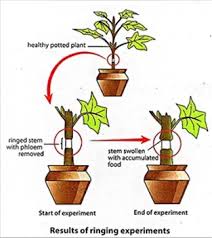
Photosynthates like sucrose are produced in the mesophyll cells of photosynthesizing leaves and then transported through the phloem to areas where they are used or stored.
Mesophyll cells are connected by cytoplasmic channels known as plasmodesmata, through which photosynthates move to reach phloem sieve-tube elements (STEs) in the vascular bundles.
The sucrose is actively transported into the phloem cells, using energy from ATP, through a process involving the sucrose-H+ symporter.
Phloem Sieve-Tube Elements and Companion Cells
Phloem STEs have reduced cytoplasmic contents and are connected by a sieve plate with pores, allowing for pressure-driven bulk flow or translocation of the phloem sap. Companion cells, associated with STEs, assist in metabolic activities and energy production for the STEs.
The sap is an aqueous solution containing sugars, minerals, amino acids, and plant growth regulators. The high sugar concentration decreases the water potential, causing water to move by osmosis from the adjacent xylem into the phloem, thereby increasing pressure and driving the movement of phloem sap from source to sink.
Unloading and Utilization at the Sink
At the sink, sucrose concentration is lower due to its metabolism for growth or conversion into storage forms like starch or cellulose for structural integrity.
Unloading occurs either through diffusion or active transport of sucrose molecules from areas of high to low concentration. The water diffuses from the phloem via osmosis and is recycled through the xylem or transpired.
Munch’s Pressure-Flow Theory in Phloem Transport
The widely accepted Munch’s Pressure-Flow Theory explains that translocation in the phloem occurs due to mass flow along a turgor (hydrostatic) pressure gradient. Assimilates enter the phloem sieve tubes through active transport at the source, causing an osmotic potential drop.
This leads to water being drawn into the sieve tube from the surrounding tissues and xylem. The resulting pressure drives the flow of water and dissolved substances along the sieve tube.
At the sink, the removal of assimilates increases the water potential, causing water to flow out. This leads to a drop in hydrostatic pressure, drawing more phloem sap toward the sink, with water eventually returning to the xylem.
Read Also: Bacterial Canker (Stone fruit trees): Description, Damages Caused, Control and Preventive Measures
Protective Mechanisms in Phloem
Two mechanisms prevent uncontrolled loss of phloem sap when the sieve tube is damaged:
1. Formation of P-protein plugs: These protein filaments form a network near the plasma membrane of sieve elements. If damaged, P-protein and other phloem contents rush to the cut end, forming a plug that seals the sieve tube.
2. Proliferation of callose: A carbohydrate polymer, callose is deposited into the sieve pores of damaged tubes, sealing off the affected area. Callose proliferates when there is a pressure drop, further assisting in sealing the pores.
Importance of Translocation in Plant Growth
Photosynthesis in leaves produces simple sugars (glucose), but other plant parts, such as roots, stems, and flowers, cannot prepare their own food. Hence, the food produced by the leaves must be transported to all other parts of the plant to provide energy for maintenance, growth, and repair.
Translocation ensures that every part of the plant receives the necessary nutrients for growth and development, maintaining the overall health of the plant.
Do you have any questions, suggestions, or contributions? If so, please feel free to use the comment box below to share your thoughts. We also encourage you to kindly share this information with others who might benefit from it. Since we can’t reach everyone at once, we truly appreciate your help in spreading the word. Thank you so much for your support and for sharing!