


Antivitamins are substances that inhibit the biological function of a genuine vitamin. Some antivitamins have a similar chemical structure to those of the actual vitamins whose action they block or restrict. In this article, the focus continues from the previous article on antinutrients, with an emphasis now on antivitamins.
Antivitamins in Agricultural Diets
Food antivitamins are substances present in the diet that prevent the assimilation, absorption, or metabolism of vitamins. All of them are classified within antinutrients.
These components are not very abundant in the diet, because they are normally destroyed during cooking or they are not ingested in sufficient quantities to produce nutritional deficiencies.
Read Also: How many plots of land do I need to start fish farming?
Types of Antivitamins in Agricultural Products
i. Antivitamin K or Coumarin Factors in Crops: Coumarins are vitamin K antagonists that produce their anticoagulant effect by interfering with the cyclic interconversion of vitamin K and its 2,3 epoxide (vitamin K epoxide).
The anticoagulant effect of coumarins when consumed in excess may lead to bleeding in a situation where there is injury. Foods that have an important content in coumarins are: grapefruit, alfalfa (in the form of sprouts or as an edible wild plant), and capers.
People taking anticoagulant medications should take special care not to eat these foods, since their coumarins enhance the effect of the drugs and the risk of bleeding multiplies.
ii. Antivitamin B1 or Thiamin Factors in Food Production: Some foods contain substances that inhibit the assimilation of thiamin or vitamin B1. This vitamin (B1) is abundant in many foods, both vegetable and animal, so the ingestion of antivitamin B does not pose a nutritional problem or lead to serious health damage in the vast majority of cases.
The main antivitamin B1 factors are:
- Thiaminases type I: They are enzymes that destroy vitamin B1. They are found in meat liver, pates, and seafood (clams, crabs, …). These components are removed with cooking, so they are only found in meat and fish that are eaten raw or undercooked, other thiaminases can be found in plants. Vegetables in the cabbage family (cruciferous) also contain B1 anti-vitamin factors.
iii. Analogs of Thiamine in Agricultural Research: Two analogs of Thiamine, oxythiamine and pyrithiamine, are potent antimetabolites that are widely used to induce thiamine deficiency in experimental animals.
iv. Sulfites in Food Preservation: The use of sulphites in food reduces the vitamin B1 (Thiamine) content of the food. Sulfites are the food additives numbered in Europe from number E220 to E228. These additives are used to inhibit growth of microbes in food and to preserve the vivid color of food (antioxidant).
They are found in industrial fruit nectars, burger meat, and dried fruits such as dried apricots. Thiamine is labile to sulphite, which cleaves the methylene bridge leading to loss of thiamine. Sulfite treatment of dried fruit and other foods results in more or less complete loss of thiamin.
1. Egg Avidin or Antivitamin B8 (Biotin) in Poultry Products
Avidin is an abundant antivitamin in egg white that binds to two biotin molecules (vitamin B8) forming a compound that prevents the absorption of this vitamin. This substance is removed by cooking the egg, so it is only found in the raw egg or raw egg white. This is one of the reasons why eating raw eggs or using raw egg remedies is not recommended.
In addition, the consumption of uncooked egg has other drawbacks such as the possibility of food poisoning and indigestion. Once cooked, egg proteins and vitamins are easier to digest.
There are usually no cases of biotin deficiency due to egg ingestion, because food is always consumed cooked. However, biotin deficiencies can occur in people who consume raw eggs or raw egg yolks daily.
2. Antivitamin C Factors in Fruits and Vegetables
Vegetables and fruits of the Cucurbitaceae family such as melon, watermelon, cucumber, chayote, or zucchini contain an enzyme (ascorbic acid oxidase) that inactivates vitamin C.
It is also present in fresh fruits, although in practically insignificant quantities. This enzyme is destroyed in cooking (although cooking itself also eliminates vitamin C, which is heat sensitive).
It should be mentioned that there are many other antioxidant components in addition to vitamin C, such as flavonoids, substances that are also abundant in vegetables. It will be very beneficial to increase the vitamin intake of the diet, adding foods very rich in vitamin C fruits and vegetables.
3. Other Food Antivitamin Factors in Crops
i. Antivitamin B3 or Niacin Factors: There are antivitamins that affect the correct absorption of niacin (niacinogens). Very well-known is the case of corn which needs an alkaline bath so that the vitamin B3 it contains is assimilable (a process known as nixtamalization).
ii. Antivitamin A Factors: Soy contains the enzyme lipoxidase, which inactivates vitamin A and beta carotene from fruits and vegetables. The citral present in the essential oil of citrus fruits (especially in the skin of these fruits), also has an antivitamin A effect.
iii. Antivitamin E Factors: In the fatty fraction of some herbs, substances that eliminate vitamin E have been found, such as in alfalfa.
iv. Antivitamin D Factors: Raw soybeans have a substance that can cause rickets, which is vitamin D deficiency. It is not a toxicological problem since it is eliminated during cooking.
4. Vitamin B12 Analogues in Plant-Based Diets
In algae, there are substances that are analogous to vitamin B12, that is, they are very similar substances but without vitamin function. It is not exactly a type of antivitamin, because these analogues do not prevent the absorption or function of true vitamin B12, but it should be taken into account in vegetarians, since it is a problem in the diagnosis of vitamin B12 deficiency.
5. Toxicity of Antivitamins in Agricultural Diets
In general, antivitamins are not toxic in the doses found in the diet although they diminish the nutritional value of food. The scarce problem of these substances is due to the fact that most are destroyed during food preparation. However, they do have important contraindications in some cases.
Read Also: How to determine if your Housing is Conducive for your Fishes
Processes for Reducing Antinutrients in Agricultural Food Processing
1. Thermal Treatment in Food Preparation
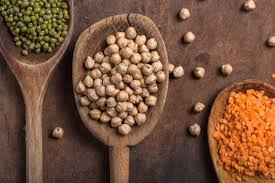
Legume seeds are hardly consumed raw; they are usually cooked, and by this procedure, lectins and protease inhibitors are inactivated. Low molecular weight compounds are leached out into cooking water, to be discarded afterwards.
2. Antinutritional Factors in Agricultural Foods
| Antinutritional Factor | Common Food Sources | Effect of Antinutritional Factor |
|---|---|---|
| Avidin | Egg Whites, Red Kidney Beans | Binds biotin making it biologically unavailable |
| Haemagglutinins | Yellow Wax Beans, Chickpea | Binds biotin |
| Lathyrogens | Sweet Potatoes, Beans | Disturbances in the elastic fibre formation of the vascular wall |
| Goitrogens | Cabbage, Turnips | Induced red blood cell clumping in iodine deficiency |
| Alpha-Amylase inhibitors | Cereal grains | Prevent the action of enzymes that break the glycosidic bonds |
| Trypsin inhibitors | Peas, Beans, Legumes | Decreases growth rate by reducing protein digestion |
| Thiaminase | Fish, Shellfish, Red Cabbage, Brussels Sprouts | Causes thiamine deficiency |
3. Chemical Detoxification in Crop Processing
Deaminocanavanine is a well-known nontoxic deamination product of canavanine. The degradation of canavanine to deaminocanavanine under alkaline conditions occurs; therefore, a chemical strategy for the detoxification of this compound has already been successfully employed for the processing of the canavanine-containing seeds of C. ensiformis.
It is reasonable to propose that, in principle, post-harvest detoxification procedures can be developed for these anti-nutritional factors.
4. Fermentation in Agricultural Food Production
The incorporation of fermentation processes in simple food technologies offers good prospects for a detoxification of food sources of antinutrients while simultaneously giving flexibility in the manipulation of flavour, texture, and colour of the raw material.
5. Germination in Legume Crop Processing
Pea and lentil sprouts have gained popularity in recent years. Traditionally, Mediterranean grain legumes have not been used as sprouts; the potential toxicity of beta-isoxazolin-5-one-alanine (BIA), the biosynthetic precursor for the lathyrism toxin beta-ODAP (Oxalyldiaminopropionic acid – ODAP), may be a risk factor if consumption increases during the germination of lentils and peas.
The kind of processing, however, which reduces the content of oligosaccharides and of other N-containing ANFs, has a long history in Asia, where it has served to improve the palatability of soybeans.
Antivitamins represent a broad class of compounds that counteract the essential effects of vitamins. There are some processes that reduce or eliminate the effects of antinutrients, e.g., thermal treatment, chemical detoxification, fermentation, and germination.
Do you have any questions, suggestions, or contributions? If so, please feel free to use the comment box below to share your thoughts. We also encourage you to kindly share this information with others who might benefit from it. Since we can’t reach everyone at once, we truly appreciate your help in spreading the word. Thank you so much for your support and for sharing!