



In this article, spirits are explored in detail. Alcohol has been used medicinally throughout human history. Its medicinal properties are mentioned 191 times in the Old and New Testaments of the Bible. As early as the turn of the century, evidence suggested that moderate consumption of alcohol was associated with a decreased risk of heart attack. The evidence of health benefits from moderate consumption has continued to grow over time.
Read Also: Deep Litter Poultry Production System
Definition and Types of Spirits

Spirits are unsweetened, distilled alcoholic beverages intended for human consumption. An alcoholic beverage is a drink containing ethanol, commonly known as alcohol.
Spirit drinks possess particular organoleptic qualities and have a minimum alcoholic strength of 15 percent alcohol by volume (ABV). They are produced by the distillation of a fermented base product. Distilling concentrates the alcohol and eliminates some of the congeners. Spirits can be added to wines to create fortified wines, such as port and sherry.
Categories of Spirits
All spirits are grouped into 2 broad categories:
- Clear spirits
- Dark spirits
All distillates come off the still as clear liquids. The taste, smell, and appearance of the final product depend on how the distiller processes the liquid.
Characteristics of Clear Spirits
Clear spirits are transparent and can be seen through. Depending on the foods from which they were distilled, some have a specific flavor. Examples include:
1. Gin comes in 2 basic styles. There is the original Dutch jenever (juniper, or genièvre in French), a distillate of malt spirits that include juniper berries. London dry gin is a clear spirit that is redistilled with juniper berries and further flavored with aromatic botanicals (plant products).
2. Rum is distilled from molasses or sugar cane. All rums start out as clear spirits; some are aged in barrels. Aging turns the rum golden, amber, or very dark.
3. Sake is a clear spirit distilled from rice wine.
4. Tequila is distilled from the fruit of the blue agave plant. Like rum, all tequilas start out clear, but some turn golden or amber with aging.
5. Vodka is a true neutral spirit, crystal clear, with no discernible flavor or aroma. Modern vodka producers, however, may flavor their vodkas, changing the taste and sometimes the color to match the color of the fruit juice or synthetic flavoring.
Characteristics of Dark Spirits
With the exception of brandy, which is distilled from wine, dark spirits are beverages distilled from grains. Like clear spirits, dark spirits start out clear, but aging in barrels and the addition of coloring agents such as caramel (burnt sugar) to maintain color consistency from year to year turns them characteristically golden amber. Examples are:
1. Brandy is a spirit distilled from wine or a mash (fermented mass) of any fruit, most commonly grapes.
2. Whiskey is a spirit distilled from grain, such as barley, corn, rye, or wheat. A straight whiskey is made from the distillate produced by 1 operation of a still and added neutral spirits. A blended whiskey contains several straight whiskeys and added neutral spirits.
3. Bourbon and Tennessee Whisky are distilled spirits made only in the United States; by law, they must be made of 51 percent corn.
4. Canadian Whisky is a distilled spirit made in Canada, generally from a mix of grains, primarily corn, plus rye, wheat, and barley.
5. Irish Whisky is a distilled spirit made in Ireland from a mix of grains dominated by barley.
6. Scotch Whisky is a distilled spirit made in Scotland from a mix of grains, primarily barley, plus “small grains”—so-called because they are used in limited amounts. The small grains usually include oats.
Read Also: Animal Segregation Analysis: Complex Segregation Analysis
Production Process of Spirits
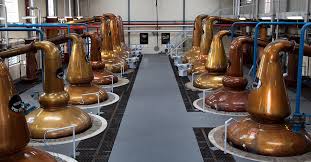
All spirits are produced by distillation. In the processing of alcoholic beverages, distillation is not used as a true purification method but rather to transfer all volatiles from the source materials to the distillate. The history of distillation dates back 2,000 years when it was used in China to make perfumes and by the Arabs to make spirit-based drinks.
The principle of distillation is that ethyl alcohol vaporizes at a lower temperature (78°C) than water (100°C). Thus, when a liquid containing alcohol is heated in an enclosed environment, the alcohol will form steam first and can be taken off, leaving water and other ingredients behind. This process raises the alcoholic content of the resulting liquid.
There are 2 main methods of producing spirits:
1. Pot Still Method: Used for full, heavy-flavored spirits such as brandy.
2. Patent Still Method: Used in producing lighter spirits such as vodka.
Bases for Spirit Production
Spirit drinks are produced from various bases. In each case, the base is a fermented liquid (alcoholic wash). The table below shows some of the bases and the spirits produced from them.
| Spirit | Base |
|---|---|
| Whisky, Gin, Vodka | Barley, maize, or rye (i.e., beer) |
| Brandy | Wine |
| Calvados | Cider |
| Rum | Molasses |
| Tequila | Pulque |
Frequently Asked Questions (FAQs)
1. What are spirits in the context of alcoholic beverages?
Spirits are unsweetened, distilled alcoholic beverages intended for human consumption, with a minimum alcoholic strength of 15 percent alcohol by volume (ABV). They are produced by distilling a fermented base product, concentrating the alcohol and eliminating some congeners.
2. What are the two main categories of spirits?
Spirits are grouped into 2 broad categories: clear spirits and dark spirits.
3. What distinguishes clear spirits from dark spirits?
Clear spirits are transparent with specific flavors depending on their base, while dark spirits, except for brandy, are distilled from grains and gain their golden amber color from aging in barrels and the addition of coloring agents like caramel.
4. What are some examples of clear spirits?
Examples of clear spirits include gin, rum, sake, tequila, and vodka.
5. How are spirits produced?
Spirits are produced by distillation, where a fermented base is heated to vaporize ethyl alcohol at a lower temperature (78°C) than water (100°C), allowing the alcohol to be separated and concentrated.
6. What are the two main methods of producing spirits?
The 2 main methods are the pot still method, used for heavy-flavored spirits like brandy, and the patent still method, used for lighter spirits like vodka.
7. What are the bases used for producing different spirits?
Spirits are produced from various fermented bases, such as barley, maize, or rye for whisky, gin, and vodka; wine for brandy; cider for calvados; molasses for rum; and pulque for tequila.
8. What historical evidence supports the medicinal use of alcohol?
Alcohol’s medicinal properties are mentioned 191 times in the Bible, and evidence from the turn of the century indicates that moderate alcohol consumption is associated with a decreased risk of heart attack, with growing evidence of health benefits over time.
Do you have any questions, suggestions, or contributions? If so, please feel free to use the comment box below to share your thoughts. We also encourage you to kindly share this information with others who might benefit from it. Since we can’t reach everyone at once, we truly appreciate your help in spreading the word. Thank you so much for your support and for sharing!