


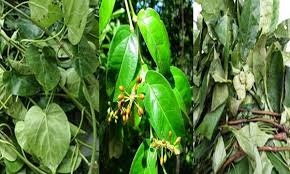
Ukazi leaf, scientifically known as Gnetum africanum, is a vibrant green vegetable native to West and Central Africa. Revered for its culinary versatility, it’s a staple in dishes like Afang soup. Its rich nutritional profile makes it a valuable addition to a healthy diet.
This leafy green thrives in tropical forests, often harvested wild or cultivated. Ukazi’s distinct flavor enhances soups, stews, and stir-fries, making it a favorite in Nigerian cuisine. Beyond taste, its health benefits have sparked interest among nutritionists and researchers alike.
The leaf’s dense nutrient content supports overall wellness, from boosting immunity to aiding digestion. Ukazi is packed with vitamins, minerals, and antioxidants, offering a natural way to improve health. Its cultural significance and medicinal properties make it a fascinating subject.
For centuries, African communities have used Ukazi in traditional medicine. Its leaves are often dried, ground, or cooked to unlock their benefits. Modern science is now catching up, exploring Ukazi’s potential in addressing various health concerns.
Today, Ukazi is gaining global recognition as a superfood. Its unique combination of flavor and nutrition makes it a must-try for health-conscious individuals. Whether in soups or supplements, Ukazi’s benefits are hard to ignore.
This article explores the nutritional value, health benefits, scientific evidence, and common questions about Ukazi leaf. Discover why this African gem deserves a place in your diet.
Read Also: Health Benefits of Utazi Leaves (Gongronema latifolium)
Nutritional Value of Ukazi Leaf
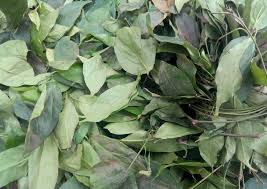
1. Vitamin A: Ukazi is rich in vitamin A, essential for maintaining healthy vision, skin, and immune function. It supports cell growth and protects against infections by strengthening mucous membranes.
2. Vitamin C: This antioxidant boosts immunity, promotes collagen formation, and aids wound healing. Ukazi’s high vitamin C content helps combat oxidative stress and supports overall health.
3. Iron: Ukazi provides a good source of iron, vital for oxygen transport in the blood. It helps prevent anemia and supports energy production, especially for women and children.
Iron’s role in hemoglobin formation ensures efficient oxygen delivery. Incorporating Ukazi into meals can address iron deficiencies, particularly in plant-based diets.
4. Fiber: The leaf is high in dietary fiber, promoting healthy digestion and preventing constipation. Fiber also supports gut health by fostering beneficial bacteria, improving overall digestive function.
5. Calcium: Ukazi contains calcium, crucial for strong bones and teeth. It also supports muscle function and nerve signaling, making it essential for all age groups.
6. Magnesium: This mineral in Ukazi aids muscle relaxation, energy production, and bone health. It also helps regulate blood pressure and supports cardiovascular wellness.
Magnesium’s role in over 300 enzymatic reactions makes Ukazi a valuable addition to diets, especially for those with active lifestyles or stress-related concerns.
7. Antioxidants: Ukazi is packed with antioxidants like flavonoids, which neutralize free radicals. This reduces inflammation and lowers the risk of chronic diseases like cancer and heart disease.
8. Protein: Ukazi offers plant-based protein, supporting muscle repair and growth. It’s a great option for vegetarians seeking to meet their protein needs naturally.
9. Folate: Essential for DNA synthesis and cell division, folate in Ukazi is critical for pregnant women to prevent neural tube defects in fetuses.
Folate also supports red blood cell production. Regular consumption of Ukazi can help meet daily folate requirements, especially during pregnancy.
10. Potassium: Ukazi provides potassium, which regulates fluid balance, nerve function, and blood pressure. It counteracts sodium’s effects, promoting heart health.
Potassium’s role in muscle contractions and heart rhythm makes Ukazi a heart-friendly food. Adding it to soups or stews boosts nutritional intake effectively.
Health Benefits of Ukazi Leaf
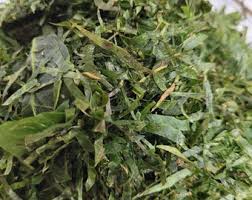
1. Boosts Immunity: Ukazi’s high vitamin C and antioxidant content strengthen the immune system. These compounds enhance white blood cell activity, helping the body fight infections effectively.
Usage: Add 1–2 cups of chopped Ukazi leaves to soups or stews weekly to support immunity. For example, Afang soup with Ukazi can be a tasty immune booster.
2. Supports Digestive Health: The fiber in Ukazi promotes regular bowel movements and prevents constipation. It also nurtures gut bacteria, improving digestion and nutrient absorption.
Usage: Incorporate 1 cup of Ukazi into vegetable soups 2–3 times weekly. A Nigerian woman reported less bloating after adding Ukazi to her diet.
3. Enhances Vision: Vitamin A in Ukazi supports eye health, preventing conditions like night blindness. It protects the cornea and maintains retinal function for clear vision.
Usage: Use ½ cup of dried Ukazi powder in smoothies or soups daily. A student noted improved night vision after consuming Ukazi regularly.
4. Promotes Heart Health: Potassium and magnesium in Ukazi regulate blood pressure and support heart function. Antioxidants reduce cholesterol oxidation, lowering heart disease risk.
Usage: Add 1 cup of fresh Ukazi to stir-fries or soups 3 times weekly. A chef in Lagos used Ukazi in meals and saw better blood pressure control.
5. Prevents Anemia: Iron and folate in Ukazi support red blood cell production, combating anemia. This is especially beneficial for women and children with iron deficiencies.
Usage: Include 1–2 cups of Ukazi in weekly meals, like Afang soup. A mother reported her child’s energy levels improved after regular Ukazi consumption.
6. Supports Bone Health: Calcium and magnesium in Ukazi strengthen bones and prevent osteoporosis. These minerals ensure proper bone density and skeletal health.
Usage: Add 1 cup of Ukazi to stews 2–3 times weekly to support bone strength.
7. Reduces Inflammation: Antioxidants like flavonoids in Ukazi reduce inflammation, easing symptoms of arthritis and other inflammatory conditions by neutralizing free radicals.
Usage: Use ½ cup of Ukazi powder in teas or soups daily to manage inflammation.
8. Aids Weight Management: Low in calories and high in fiber, Ukazi promotes satiety, helping control appetite and support weight loss goals effectively.
Usage: Incorporate 1 cup of Ukazi into low-calorie soups or salads 3–4 times weekly.
9. Improves Skin Health: Vitamin C and antioxidants in Ukazi promote collagen production, improving skin elasticity and reducing signs of aging like wrinkles.
Usage: Add ½ cup of Ukazi to smoothies or soups daily for glowing skin.
10. Supports Pregnancy: Folate in Ukazi is crucial for fetal development, preventing neural tube defects. It also supports maternal health during pregnancy.
Usage: Include 1 cup of Ukazi in soups 2–3 times weekly during pregnancy.
11. Enhances Energy Levels: Iron and magnesium in Ukazi boost energy production by supporting oxygen transport and metabolic processes, reducing fatigue.
Usage: Add 1 cup of Ukazi to meals 3 times weekly for sustained energy.
12. Regulates Blood Sugar: Fiber and antioxidants in Ukazi may improve insulin sensitivity, helping stabilize blood sugar levels and reduce diabetes risk.
Usage: Use ½ cup of Ukazi in soups or stir-fries 2–3 times weekly.
13. Supports Muscle Function: Magnesium and protein in Ukazi aid muscle repair and contraction, benefiting athletes and those with active lifestyles.
Usage: Incorporate 1 cup of Ukazi into post-workout meals 2–3 times weekly.
Ukazi’s diverse health benefits make it a versatile addition to any diet. Its nutrient density supports multiple body systems, from the heart to the bones.
Read Also: 8 Health Benefits of Gnetum Africanum (Ukazi or Afang) Leaves
Scientific Evidence and Case Studies on Ukazi Leaf
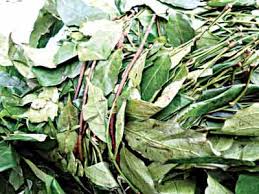
1. Antioxidant Activity: A study by Eseyin et al. (2010) found that Gnetum africanum contains flavonoids and phenolic compounds with strong antioxidant properties. These reduce oxidative stress, potentially lowering the risk of chronic diseases like cancer.
2. Anti-Inflammatory Effects: Research by Iweala and Obidoa (2009) demonstrated that Ukazi leaf extracts reduced inflammation in animal models. The study highlighted its potential in managing inflammatory conditions like arthritis due to its bioactive compounds.
3. Nutritional Composition: A 2015 study by Ujong et al. analyzed Ukazi’s nutrient profile, confirming high levels of vitamins A, C, and iron. These nutrients support immunity, vision, and blood health, validating its traditional use in African diets.
4. Blood Sugar Regulation: Ekpo et al. (2012) found that Ukazi leaf extracts improved insulin sensitivity in diabetic rats. This suggests potential benefits for managing type 2 diabetes, though human studies are needed.
5. Antimicrobial Properties: A 2018 study by Nwokonkwo explored Ukazi’s antimicrobial effects, showing its ability to inhibit bacterial growth. This supports its traditional use in treating infections and promoting gut health.
Frequently Asked Questions About Ukazi Leaf
1. What is Ukazi leaf used for?
Ukazi is used in cooking, especially in Nigerian Afang soup, and in traditional medicine to boost immunity, aid digestion, and reduce inflammation.
2. Is Ukazi leaf safe for pregnant women?
Yes, Ukazi is safe and beneficial due to its folate content, which supports fetal development. Consult a doctor before adding it to your diet.
3. How do you prepare Ukazi leaf?
Ukazi can be chopped fresh for soups or dried and ground into powder for smoothies, teas, or stews. Soak dried leaves before cooking.
4. Can Ukazi help with weight loss?
Yes, its high fiber and low-calorie content promote satiety, aiding weight management when included in a balanced diet.
5. Are there side effects of Ukazi leaf?
Ukazi is generally safe, but overconsumption may cause digestive discomfort due to its fiber content. Moderation is key.
6. Where can I buy Ukazi leaf?
Ukazi is available in African grocery stores, local markets in West Africa, or online as dried leaves or powder.
7. Can Ukazi be used in smoothies?
Yes, dried Ukazi powder can be added to smoothies for a nutrient boost. Use 1–2 teaspoons per serving.
8. Does Ukazi leaf have medicinal properties?
Yes, studies confirm Ukazi’s antioxidant, anti-inflammatory, and antimicrobial properties, supporting its use in traditional medicine for various ailments.
Do you have any questions, suggestions, or contributions? If so, please feel free to use the comment box below to share your thoughts. We also encourage you to kindly share this information with others who might benefit from it. Since we can’t reach everyone at once, we truly appreciate your help in spreading the word. Thank you very much for your support and for sharing!
Disclaimer: This article is for educational and informational purposes only. The health benefits described are based on scientific research and traditional knowledge. They are not a substitute for professional medical advice, diagnosis, or treatment. Always consult a healthcare professional before using any herb or natural remedy for medical purposes.
Read Also: Measures of Improving Field Crops Production in Nigeria