


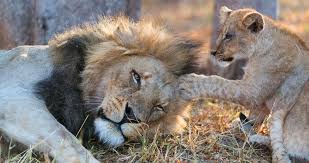
Animal behavior is a fascinating field that explores how animals interact with their environment and each other. It reflects the complex interplay of internal and external stimuli that drive an animal’s actions. This article delves into the mechanisms, influences, and patterns of animal behavior, highlighting its significance in survival and species continuation.
The study of animal behavior reveals how organisms respond to stimuli, which are factors influencing their actions. These responses are critical for survival, reproduction, and maintaining population stability. By examining these behaviors, we gain insights into the intricate balance of nature and the adaptive strategies animals employ.
Defining Animal Behavior
Animal behavior is the overt expression of an animal’s coordinated life processes. It encompasses all actions resulting from stimuli, which are factors influencing an organism. These stimuli trigger responses, shaping how animals interact with their surroundings. Understanding this process is key to studying animal ecology.
The environment constantly bombards animals with stimuli, which they integrate and filter to produce specific responses. These responses vary based on the stimuli received and the animal’s past experiences. For instance, a prey animal’s reaction to a predator depends on multiple stimuli and prior encounters.
A. Stimuli and Responses
1. Types of Stimuli: Animals receive stimuli through senses like sound, sight, touch, and chemical cues (scent, taste, hormones). These stimuli drive behavioral responses, such as fleeing or foraging.
2. Sensory Differences: Unlike humans, some animals possess superior sensory abilities. Owls locate prey in near darkness, and hawks have exceptional eyesight for spotting prey in dense cover.
3. Conflicting Responses: Stimuli can cause conflicting reactions. A prey animal may hesitate between hiding or fleeing when spotting a predator, influenced by immediate stimuli and past experiences.
B. Internal and External Influences
1. Internal Responses: Some behavioral responses are internal, affecting later actions. For example, an athlete’s mental preparation triggers adrenaline release, enhancing performance.
2. Reproductive Behavior: External stimuli, like longer daylight, activate reproductive organs in pheasants, leading to mating behaviors influenced by visual displays and body postures.
3. Physiological Link: Behavior and physiology are interconnected. The adrenal glands’ response, often mistaken as purely physiological, directly influences behavioral outcomes.
Read Also: Pincushion Flowers (Scabiosa Spp): Complete Growing and Care Guide
Behavioral Patterns and Survival
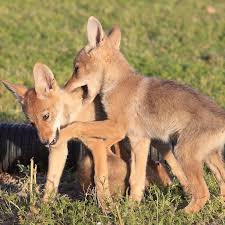
Behavioral responses stem from an animal’s drive to survive and ensure species continuation. These responses manifest in actions like feeding, mating, and escaping predators. They are shaped by both internal drives and external environmental cues, forming distinct behavioral patterns.
Survival depends on securing food, shelter, and protection from diseases, parasites, and predators. Population survival hinges on successful reproduction and rearing offspring to self-sufficiency. These drives create characteristic behavioral patterns within species, essential for ecological balance.
A. Survival Mechanisms
1. Individual Survival: Animals must obtain food, find shelter, and avoid predators to survive. These actions are driven by immediate environmental stimuli.
2. Population Survival: Successful mating and rearing offspring ensure species continuation. Behavioral patterns support population stability and resource use.
3. Species-Specific Patterns: Each species exhibits unique behavioral patterns, shaped by evolutionary pressures and environmental interactions.
B. Social Interactions
1. Intraspecific Relationships: Interactions within a species include competition, cooperation, or neutrality. These relationships vary seasonally, affecting group dynamics.
2. Interspecific Relationships: Interactions between species also involve competition or cooperation, influencing ecological roles and resource sharing.
3. Dynamic Nature: The complexity of these interactions highlights the dynamic nature of wildlife ecology, driven by changing environmental factors.
Animal Relationships and Ecology
Relationships between animals, whether of the same or different species, shape their behavior and survival strategies. These interactions—categorized as competition, cooperation, or neutrality—play a critical role in maintaining ecological balance and resource distribution.
The seasonal variation in these relationships adds complexity to animal behavior. Understanding these dynamics helps explain how animals adapt to changing environments and maintain population stability through structured social systems.
A. Competition
1. Resource Competition: Animals compete for limited resources like food. Dominant individuals, often larger or more aggressive, gain priority access.
2. Social Hierarchy: Known as the “peck order,” social ranks determine access to resources. For example, dominant female deer often secure food first.
3. Seasonal Variations: Competition intensifies during breeding seasons, affecting group dynamics and resource allocation.
B. Cooperation
1. Group Benefits: Cooperation, like pronghorn forming bands or bison living in herds, enhances survival by improving predator detection.
2. Seasonal Dynamics: Cooperation varies by season, with gregarious behavior increasing during migrations but potentially leading to competition.
3. Survival Advantage: Group living increases the likelihood of spotting danger, benefiting the collective survival of the species.
C. Neutral Relationships
1. Loose Associations: Neutral relationships, like male deer forming loose groups in late winter, lack strong competitive or cooperative ties.
2. Random Interactions: These relationships appear random, with no clear cause-and-effect dynamics, varying by species and season.
3. Ecological Impact: Neutral interactions contribute to the dynamic nature of wildlife ecology, balancing competition and cooperation.
Read Also: Economic Importance, Uses, and By-Products of Mushroom Gills
Territoriality and Social Order
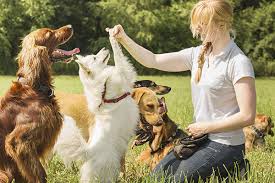
Animals exhibit territorial behaviors and social hierarchies that regulate resource use and population distribution. These mechanisms ensure efficient use of resources and reduce conflict, contributing to species stability and ecological balance.
Territoriality and social order are critical for managing population density and resource availability. They influence breeding success, food access, and predator-prey dynamics, shaping the survival strategies of animal populations.
A. Home Range and Territory
1. Home Range: Most animals, like red foxes, establish a home range for feeding and raising young, often tolerating overlap with others.
2. Territory Defense: Territories are defended areas, as seen in songbirds, where males protect feeding and mating grounds from intruders.
3. Competitive Exclusion: Territories prevent overcrowding, ensuring resources are available for resident animals.
B. Social Hierarchy
1. Peck Order: Social ranks, or “peck order,” develop based on experience, age, or size, reducing conflict within groups.
2. Dynamic Ranks: While dominant and subordinate roles may persist, intermediate ranks can shift, as observed in wolf packs.
3. Benefits of Hierarchy: Social order disperses populations, improves resource use, and enhances reproductive success.
C. Ecological Benefits
1. Resource Distribution: Territoriality and hierarchies ensure even resource use, preventing overexploitation.
2. Reduced Conflict: Established social orders minimize fighting, stabilizing group dynamics.
3. Predator Stability: Even population distribution reduces predator pressure, maintaining ecological balance.
Predation and Its Ecological Role
Predation is a critical ecological process that influences prey populations and maintains balance in ecosystems. Predators play a vital role in controlling prey numbers, preventing overpopulation, and promoting biodiversity through selective pressure.
Historically misunderstood, predators are now recognized for their aesthetic, scientific, and economic value. Their role in regulating prey populations underscores their importance in maintaining healthy ecosystems and supporting species diversity.
A. Principles of Predation
1. Non-Destructive Role: Predators, like barn owls, benefit ecosystems by controlling pest populations, such as rats and mice.
2. Prey Surplus: Predators typically target surplus prey, preserving breeding populations and preventing serious declines.
3. Human Impact: Unlike other predators, humans can exterminate prey species using advanced tools, highlighting the need for responsible management.
B. Predation Dynamics
1. Prey Availability: Predators shift to alternative prey when primary species become scarce, driven by availability and environmental factors.
2. Vulnerable Populations: Certain prey segments are more vulnerable, while others remain secure, affecting predation pressure.
3. Cyclic Influences: Weather, cover, and nutrition influence prey availability, shaping predator diets and behaviors.
C. Predator Control Issues
1. Specific Targeting: Control efforts must target specific predators to avoid disrupting ecosystems.
2. Cost Considerations: Predator control can be costly, often exceeding the value of protected livestock.
3. Focus on Damage: Effective management focuses on alleviating damage rather than eliminating predators.
Frequently Asked Questions
1. What is animal behavior?
Animal behavior is the overt expression of an animal’s coordinated life processes, driven by stimuli like sound, sight, and chemical cues, influencing actions like feeding or mating.
2. How do stimuli affect animal behavior?
Stimuli, such as environmental cues or internal hormones, trigger responses in animals, shaping their actions based on immediate conditions and past experiences.
3. Why is predation important in ecosystems?
Predation regulates prey populations, prevents overpopulation, and promotes biodiversity by targeting surplus individuals, maintaining ecological balance.
4. What is the difference between a home range and a territory?
A home range is an area where animals live and feed, often overlapping, while a territory is a defended area excluding others of the same species.
5. How does social hierarchy benefit animal populations?
Social hierarchies, or “peck orders,” reduce conflict, ensure even resource use, and enhance reproductive success by establishing dominance.
6. What are the types of animal relationships?
Animal relationships include competition (for resources), cooperation (group survival strategies), and neutrality (random, non-impactful interactions).
7. How do internal and external stimuli interact?
Internal stimuli, like hormones, and external stimuli, like daylight, combine to elicit behaviors, such as reproductive activities in pheasants.
8. Why is predator control controversial?
Predator control can be costly and disrupt ecosystems if not targeted specifically, and it often focuses on damage alleviation rather than predator elimination.
Do you have any questions, suggestions, or contributions? If so, please feel free to use the comment box below to share your thoughts. We also encourage you to kindly share this information with others who might benefit from it. Since we can’t reach everyone at once, we truly appreciate your help in spreading the word. Thank you so much for your support and for sharing!