


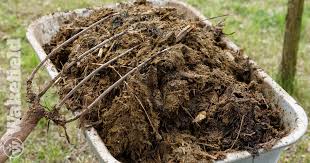
The use of farm manure has been synonymous with an efficient and stable agriculture. Manure not only supplies organic matter and plant nutrients to the soil, but it is often associated with the production of soil-conserving forage crops used to feed animals. Crop and animal production and soil conservation are enhanced by its use on the land.
Defining Animal Manure
Animal manure consists of by-products of the livestock industry, and greater attention is being given to effective disposal of animal manures due to the increased use of confinement production systems and associated manure handling problems, as well as their environmental concerns with regard to contamination of groundwater or surface water by NO3- originating from the manure.
Sources of Animal Manure in Farming
The sources of animal manure include:
- Dairy cow manure
- Poultry manure
- Sheep manure
- Horse manure
- Goat manure
- Swine manure
- Donkey manure
Read Also : Different Classes of Snail Feed Based on their Nutritional Requirements
Benefits of Animal Manure for Soil Health

Reasons for the favorable action of manure remain unclear, but they perhaps include one or more of the following:
- An additional supply of NH4–N
- Availability of P and micronutrients due to complexation
- Increased moisture retention
- Increased soil organic matter
- Complexation of Al3+ in acid soils
- Improved soil structure
Read Also : Vegetative Structure of Seed Plants: The Leaf
Management Practices for Animal Manure
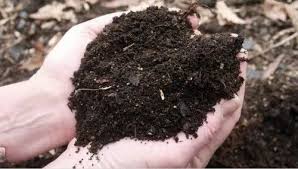
Four main management systems are used to handle manure, including:
- The manure can be collected and spread daily.
- The manure may be stored and packed in piles where it is allowed to partially decompose before spreading.
- The manure can be stored in aerated ponds that are sufficiently shallow to permit fairly ready oxidation of the organic materials, or oxygen is stirred into the slurry.
- Deep anaerobic lagoons can be used in which the manure is allowed to ferment in the absence of elemental oxygen.
Storage Solutions for Animal Manure
In ameliorating manure problems, methods of manure handling that both prevent pollution and preserve nutrients in a form that can be easily made accessible and available will be a major contribution. Several options include:
1. Heat-drying and pelletizing: This technology dries the manure with heat and then compresses the dried product into small pellets that can be handled like commercial fertilizer.
2. Commercial composting: In the case of poultry manure, dried birds are composted along with the manure, and the final product is a very stable, non-offensive, relatively high-analysis, slow-release fertilizer that is also easy to handle.
Composting is a natural aerobic decomposition process and is much less energy- and capital-intensive than heat-drying and pelletizing. However, it does require considerable labor and management to obtain a quality product.
3. Anaerobic digestion with biogas production: In this method, the manure is made into a liquid slurry and adhered to become anaerobic.
Do you have any questions, suggestions, or contributions? If so, please feel free to use the comment box below to share your thoughts. We also encourage you to kindly share this information with others who might benefit from it. Since we can’t reach everyone at once, we truly appreciate your help in spreading the word. Thank you so much for your support and for sharing!