



Antinutrients are natural or synthetic compounds that interfere with the absorption of nutrients. Nutrition studies focus on antinutrients commonly found in food sources and beverages. This article examines antinutrients, specifically the antinutritional factors significant in human food and animal feed.
Overview of Antinutrients in Agriculture
Antinutrients refer to defense metabolites, having specific biological effects depending upon the structure of specific compounds, which range from high molecular weight proteins to simple amino acids and oligosaccharides. These secondary metabolites play a role in defense against herbivores, insects, pathogens, or adverse growing conditions.
From a nutritional point of view, antinutrient substances interfere with normal growth, reproduction, and health when consumed regularly in amounts existing in a normal component of the diet and, therefore, should be considered harmful and toxic.
A significant part of the human population relies on legumes as staple food for subsistence, particularly in combination with cereals. They are unique foods because their rich nutrient content includes starch, protein, dietary fiber, oligosaccharides, phytochemicals (especially the isoflavones in soybean), and minerals.
Their nutritional content contributes to many health benefits to humans. So, the knowledge regarding various antinutritional substances present in foods as well as techniques to reduce them in the diet is essential for the health and well-being of the population.
Read Also: Various Types Of Fruits And Their Nutritional Value
Classification of Antinutrients in Crops
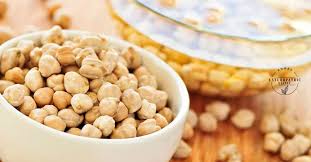
The antinutritional factors in plants may be classified on the basis of their chemical structure, the specific actions they bring about, or their biosynthetic origin. Although this classification does not encompass all the known groups of antinutritional factors, it does present the list of those frequently found in human foods and animal feedstuffs.
Categorization of Antinutrients in Agricultural Products
The antinutritional factors may be divided into two major categories. They are:
- Proteins (such as lectins and protease inhibitors) which are sensitive to normal processing temperatures.
- Other substances which are stable or resistant to these temperatures and which include, among many others, polyphenolic compounds (mainly condensed tannins), non-protein amino acids, and galactomannan gums.
- More often than not, a single plant may contain two or more toxic compounds, generally drawn from the two categories, which add to the difficulties of detoxification.
Key Antinutritional Factors in Human Food and Animal Feed
They include the following:
- Enzyme inhibitors (trypsin and chymotrypsin inhibitors, plasmin inhibitors, elastase inhibitors),
- Haemagglutinins (concanavalin A, ricin),
- Plant enzymes (urease, lipoxygenase),
- Cyanogenic glycosides (phaseolunatin, dhurrin, linamarin, lutaustralin),
- Goitrogens (pro-goitrins and glucosinolates),
- Oestrogens (flavones and genistein),
- Saponins (soya sapogenin),
- Gossypol from Gossypium species, e.g., cotton,
- Tannins (condensed and hydrolysable tannins),
- Amino acid analogues (BOAA, DAP, mimosine, N-methyl-L-alanine),
- Alkaloids (solanine and chaconine),
- Anti-metals (phytates and oxalates),
- Antivitamins (antivitamins A, D, E, and B12), and
- Favism factors.
Protease (Trypsin) and Amylase Inhibitors in Legumes and Cereals
1. Source: Protease inhibitors are widely distributed within the plant kingdom, including the seeds of most cultivated legumes and cereals. Protease inhibitors have the ability to inhibit the activity of proteolytic enzymes within the gastrointestinal tract of animals.
Due to their particular protein nature, protease inhibitors may be easily denatured by heat processing, although some residual activity may still remain in commercially produced products.
The antinutrient activity of protease inhibitors is associated with growth inhibition and pancreatic hypertrophy. Trypsin inhibitors and chymotrypsin inhibitors occur in raw legume seeds.
2. Mode of Action: Trypsin inhibitors are a unique class of proteins found in raw soybeans that inhibit protease enzymes in the digestive tract by forming indigestible complexes with dietary protein.
3. Effects:
i. Negative: The antinutrient activity of protease inhibitors is associated with growth inhibition and pancreatic hypertrophy.
ii. Beneficial: Lower incidences of pancreatic cancer have been observed in populations where the intake of soybean and its products is high. They may also act as anti-carcinogenic agents.
The Bowman-Birk inhibitors derived from soybean have been shown to inhibit or prevent the development of chemically induced cancer of the liver, lung, colon, oral, and esophagus.
Haemagglutinins in Agricultural Food Crops
Haemagglutinins are proteins in nature and are sometimes referred to as phytoagglutinins or lectins.
1. Source: Sources are as in legumes; most cereals commonly consumed by humans contain glycoproteins called lectins.
2. Mode of Action: Many lectins can bind to intestinal epithelial cells, where they may impair nutrient absorption and cause damage that may allow infiltration of bacteria into the bloodstream.
3. Health Effects: If some types of beans are consumed raw, they may cause shock cramps.
Read Also: Cultivation Methods For Different Fruit Trees And Bushes
Saponins in Agricultural Food Sources
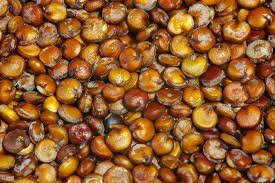
Saponins are a heterogeneous group of naturally foam-producing triterpene or steroidal glycosides that occur in a wide range of plants.
1. Source: Saponins occur in a broad range of plants consumed in the human diet, including legumes (soy, peas, and beans), root crops (potato, yam, asparagus, and allium), as well as in oats, sugar beet, tea, and many medicinal herbs.
2. Health Effects:
i. Negative: Saponins reduce the uptake of certain nutrients, including glucose and cholesterol, at the gut through intraluminal physicochemical interaction. Toxic saponins cause nausea and vomiting.
ii. Beneficial: Hypocholesterolemic effects in humans.
Phytates in Plant-Based Agriculture
Phytate (also known as inositol hexakisphosphate (InsP6)) is the salt form of phytic acid, found in plants, animals, and soil. It is primarily present as a salt of the mono- and divalent cations K+, Mg2+, and Ca2+ and accumulates in the seeds during the ripening period.
Phytate is regarded as the primary storage form of both phosphate and inositol in plant seeds and grains. In addition, phytate has been suggested to serve as a store of cations, of high-energy phosphoryl groups, and, by chelating free iron, as a potent natural antioxidant.
1. Source: In monocotyledons such as wheat and rice, phytates are present in the germ of corn and in the aleurone or bran layer, allowing easy separation by milling. However, in dicotyledon seeds such as legumes, nuts, and oilseeds, phytates are found closely associated with proteins and are often isolated or concentrated with the protein fraction of these foods.
They can be regarded as stores for phosphate and mineral nutrients that are important for plant nutrition and especially vulnerable during germination.
2. Health Effects:
i. Negative: Phytic acid and phytate have a strong binding affinity to the dietary minerals zinc, iron, magnesium, and calcium, inhibiting their absorption in the small intestine and thereby causing mineral deficiency in animals and humans.
Oligosaccharides and Isoflavonoids in Legume Crops
Legume seeds are generally rich in oligosaccharides (up to 20%), such as stachyose and raffinose. These compounds serve as a carbon source during germination; therefore, their contents can be reduced in legumes through germination, which is a common practice, e.g., in soybeans.
1. Source: Isoflavonoids have been detected in soybeans, lupins, and several other legumes. They are involved in plant defense against fungi, bacteria, viruses, and nematodes (phytoalexins, phytoanticipins), act as signals in legume-Rhizobium interactions, and exhibit estrogenic activities.
2. Health Effects: Since these enzymes are often stimulated in cancer cells, the lower incidence of some kinds of cancers in people who ingest isoflavone-rich food, such as soybean products, has stimulated the hypothesis that some legumes rich in isoflavones can prevent cancer.
Cyanogenic Glycosides in Crop Plants
The cyanogenic glycosides belong to the products of secondary metabolism, to the natural products of plants. These compounds are composed of an α-hydroxynitrile type aglycone and a sugar moiety (mostly D-glucose).
Cyanogenic glucosides (α-hydroxynitrile glucosides) are derived from the five protein amino acids Val, Ile, Leu, Phe, and Tyr and from the nonproteinogenic amino acid cyclopentenyl glycine. Although derived from six different building blocks, they constitute a very small class with around 50 different known structures.
A number of plant species produce hydrogen cyanide (HCN) from cyanogenic glycosides when they are consumed. These cyanogens are composed of a sugar, often glucose, which is combined with a cyanide-containing aglycone.
Cyanogenic glucosides are classified as phytoanticipins. Their general function in plants is dependent on activation by β-glucosidases to release toxic volatile HCN as well as ketones or aldehydes to fend off herbivore and pathogen attack.
1. Source: Cassava is a crop plant rich in cyanogenic glycosides.
2. Health Effects: Chronic exposure to HCN may cause neurological, respiratory, cardiovascular, and thyroid defects. Onset of symptoms depends on dose and duration of exposure. Large-scale cassava processing could lead to discharge of hydrocyanic acid into the air.
Vicine and Convicine (Favism Factors) in Broad Beans
Favism is a hemolytic disease that is found in sensitive individuals with consumption of broad beans. It is more widely found in people living in the Mediterranean countries.
1. Mode of Action: The structure of hemoglobin, which is the primary carrier of oxygen, is upset.
2. Health Effects: Dizziness, vomiting, feeling of tiredness, and dark orange urine, which are the first symptoms of the disease. The disease disappears soon, but incidences of death may be encountered when the disease is prolonged. This disease of hemolytic anemia is caused by favogens.
Lupin Alkaloids in Agricultural Lupin Crops
In its raw form, the mildly toxic lupin alkaloids present in plants cause a bitter taste and are used as a defensive mechanism against herbivores.
Non-Protein Amino Acids in Plant Systems
Hundreds of types of non-protein amino acids have been found in nature, and they have multiple functions in living organisms. Microorganisms and plants can produce uncommon amino acids.
1. Health Effects: The effect of misincorporation of non-protein amino acids can result in defective structure and function. One common effect is aggregation and tangling of proteins.
Antinutrients are found at some level in almost all foods for a variety of reasons. However, their levels are reduced in modern crops, probably as an outcome of the process of domestication.
Do you have any questions, suggestions, or contributions? If so, please feel free to use the comment box below to share your thoughts. We also encourage you to kindly share this information with others who might benefit from it. Since we can’t reach everyone at once, we truly appreciate your help in spreading the word. Thank you so much for your support and for sharing!