


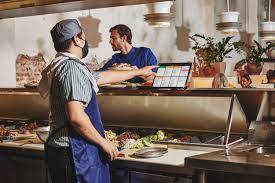
The back of the house (BOH) is the heart of a restaurant’s operations, where food is prepared, cooked, and plated before reaching customers. This article explores the critical components of BOH, including food production, kitchen management, and purchasing, ensuring a seamless dining experience.
Effective BOH management requires organization, teamwork, and attention to detail. From staffing to inventory control, every aspect contributes to delivering high-quality food consistently. Understanding these operations is key to running a successful restaurant.
Read Also : Guide to Proper Techniques of Fish Culture
Kitchen Management and Operations

The kitchen is the backbone of any full-service restaurant, requiring careful management to ensure efficiency. The kitchen manager oversees all BOH activities, ensuring food is prepared to meet customer expectations while maintaining cost control.
A well-organized BOH enhances restaurant performance. Key areas include staffing, scheduling, and training, which directly impact food quality and service speed. Below are the critical components of effective kitchen management.
A. Staffing and Scheduling
1. Proper Staffing Levels: Ensuring enough staff for each shift is vital. Overstaffing is preferable to understaffing, as it allows flexibility to send employees home or provide cross-training opportunities.
2. Adjusting Schedules: Staffing plans should align with monthly sales trends. This ensures the kitchen can handle varying business volumes without compromising service quality or efficiency.
3. Competent Team Placement: Assigning skilled cooks to appropriate stations enhances food quality and service speed. A competent team reduces errors and improves overall operations.
B. Training and Development
1. Comprehensive Training Programs: High turnover necessitates thorough training. Qualified chefs train new hires using on-the-job methods and study materials, sometimes requiring written tests.
2. Ongoing Skill Development: Continuous development through delegated tasks like inventory or scheduling fosters growth. This promotes internal promotions and improves kitchen operations.
3. Retaining Employees: Proper training reduces errors, saving time and costs. Well-trained staff are more likely to stay, contributing to a stable and efficient kitchen environment.
C. Management Involvement
1. Active Participation: Managers should work alongside staff, assisting with food prep and ensuring standards. Their presence reinforces accountability and maintains food quality.
2. Continuous Follow-Up: Regular checks ensure cooks adhere to production specifications. Follow-up prevents lapses that could harm the restaurant’s reputation or customer satisfaction.
3. Employee Recognition: Acknowledging good performance boosts morale. Positive reinforcement fosters teamwork and encourages staff to maintain high standards consistently.
Food Production Processes
Food production is central to BOH operations, ensuring consistent quality and timely service. The kitchen manager plans production based on expected business volume, coordinating prep and cooking tasks efficiently.
The kitchen layout, designed around the menu and sales forecasts, supports streamlined operations. From receiving to plating, every step is critical to delivering fresh, high-quality food to customers.
A. Kitchen Layout and Equipment
1. Strategic Layout Design: The kitchen includes receiving areas, walk-ins, prep lines, and cooking stations. Layouts are tailored to business volume and menu demands for efficiency.
2. Equipment Specifications: The menu dictates equipment needs, such as larger broilers for high-demand items. Proper equipment ensures cooks can meet customer preferences effectively.
3. Teamwork in Production: Collaboration among staff is crucial during busy periods. Helping each other with prep and cooking ensures timely service and consistent quality.
B. Production Control
1. Production Sheets: Each station uses control sheets to track product levels. Daily counts determine how much is needed, minimizing waste and ensuring freshness.
2. Standardized Recipes: Recipes with specific “specs” maintain consistency. Deviations increase costs and reduce quality, leading to customer dissatisfaction and complaints.
3. Daily Stock Management: After lunch, cooks assess remaining stock for the night shift. Checking production levels ensures accountability and prevents overproduction or waste.
C. Waste Management
1. Monitoring Par Levels: Weekly adjustments to par levels based on sales trends help control waste. Overproduction leads to spoilage, increasing food costs significantly.
2. Freshness Focus: Producing only what’s needed daily ensures fresh products reach customers. This practice enhances quality and reduces losses from expired inventory.
3. Accountability Checks: Cooks are held accountable for production levels. Regular checkouts prevent lapses, ensuring efficient use of resources and cost control.
Read Also : Definition and Forms of Fish Growth
Purchasing and Inventory Management

Purchasing ensures restaurants have the necessary products to serve guests. A well-designed purchasing system maintains quality, controls costs, and prevents losses from theft or spoilage.
Effective inventory management, from receiving to issuing, is critical for BOH success. Strict controls and clear responsibilities ensure products are fresh and available when needed.
A. Purchasing Systems
1. Product Specifications: Standards for items like meat include cut, weight, and fat content. Clear specifications ensure consistency and meet customer expectations.
2. Loss Prevention: Systems, manual or computerized, minimize theft and spoilage. Employing honest staff is key to maintaining an effective purchasing process.
3. Par Stock System: Automated reordering at set stock levels ensures availability. Par stock systems prevent shortages and streamline purchasing operations.
B. Receiving and Storage
1. Controlled Deliveries: Specifying delivery times ensures convenience. Receiving verifies quantity, quality, and price align with orders, maintaining operational standards.
2. Storage Protocols: Items are date-stamped and rotated using FIFO (first in, first out). Strict access controls prevent losses and ensure accountability.
3. Issuing Procedures: Authorized requisitions for issuing items maintain control. Only designated staff handle issuing, reducing the risk of theft or mismanagement.
C. Inventory Control
1. Regular Inventories: Frequent stock checks monitor food, beverage, and labor costs. This ensures costs align with budgets and company expectations.
2. Purchase Orders: Orders specify quantities and prices, developed from menu needs. Comparing supplier samples ensures the best fit for restaurant requirements.
3. Corporate Consistency: Chain restaurants use corporate menus and specifications for uniformity. Independent operators follow similar pre-purchase steps for efficiency.
Assistant Manager Responsibilities
The assistant manager plays a pivotal role in BOH operations, supporting the kitchen manager and ensuring smooth operations. Their duties encompass planning, coordination, and supervision to maintain high standards.
By actively engaging with staff and guests, assistant managers foster a positive environment. Their leadership ensures operational efficiency and exceptional service quality.
A. Planning and Organizing
1. Forecasting Needs: Studying sales records and upcoming events, the assistant manager prepares schedules to meet service demands efficiently.
2. Facility Oversight: Daily inspections of equipment and facilities ensure readiness. Recommendations for improvements maintain a high-quality dining environment.
3. Staff Preparation: Ensuring personnel and materials are ready before each meal period guarantees excellent service and guest satisfaction.
B. Coordination and Communication
1. Menu Knowledge: Ensuring servers understand menu items, including preparation and portion sizes, enhances service quality and guest experience.
2. Policy Reviews: Regular discussions with staff about company objectives and policies keep everyone aligned and informed.
3. Guest Feedback: Observing guest reactions and conferring with servers helps identify menu popularity and areas for improvement, reported to the manager.
C. Supervision and Leadership
1. Staff Training: Actively participating in hiring and training ensures competent staff. Following orientation plans introduces new hires to restaurant policies.
2. Performance Standards: Establishing conduct, grooming, and hygiene standards maintains professionalism. Recognizing outstanding performance fosters teamwork and morale.
3. Problem Resolution: Addressing deviations from standards and assisting with guest complaints ensures a positive dining experience and operational efficiency.
Frequently Asked Questions
1. What is the back of the house in a restaurant?
The back of the house (BOH) includes areas like the kitchen and storage, where food is prepared and administrative tasks are handled, away from customer view.
2. Why is kitchen management important?
Effective kitchen management ensures consistent food quality, efficient service, and cost control, forming the backbone of a successful restaurant operation.
3. How does staffing impact BOH operations?
Proper staffing ensures the kitchen can handle business volume, improves service speed, and allows for cross-training, enhancing overall efficiency.
4. What role does training play in the kitchen?
Comprehensive training reduces errors, improves food quality, and retains staff, contributing to a stable and efficient kitchen environment.
5. How are production levels controlled?
Production sheets track stock and set daily levels based on sales trends, minimizing waste and ensuring fresh products for customers.
6. Why are standardized recipes important?
Standardized recipes maintain consistency, reduce waste, and control food costs, ensuring dishes meet quality expectations every time.
7. What is the role of the assistant manager in BOH?
The assistant manager plans, coordinates, and supervises BOH activities, ensuring smooth operations, staff training, and high service standards.
8. How does purchasing impact restaurant operations?
Effective purchasing ensures quality products, controls costs, and prevents losses, supporting consistent menu production and guest satisfaction.
Do you have any questions, suggestions, or contributions? If so, please feel free to use the comment box below to share your thoughts. We also encourage you to kindly share this information with others who might benefit from it. Since we can’t reach everyone at once, we truly appreciate your help in spreading the word. Thank you so much for your support and for sharing!