



The concept of cost is central to economics, representing the financial valuation of resources, materials, risks, time, and utilities used to acquire goods and services. In this article, we explore the intricacies of cost and sales, their elements, classifications, and their relationship with profit, focusing on practical applications in the food and beverage industry.
This article delves into cost definitions, elements like material, labor, and expenses, and classifications such as fixed and variable costs. It also examines sales concepts, both monetary and non-monetary, and their impact on profitability. Additionally, we analyze the cost-volume-profit relationship and key control measures for effective cost management.
By breaking down these concepts, the article provides insights into how businesses, particularly in the food and beverage sector, can manage costs and optimize sales. Understanding these principles helps managers make informed decisions to enhance profitability and operational efficiency.
The following sections offer a detailed exploration of cost and sales, structured for clarity and ease of understanding. Each section includes practical examples and actionable insights to guide business operations effectively.
Read Also: Options for Genetic Improvement in Tropical Livestock
Cost Concepts in Business
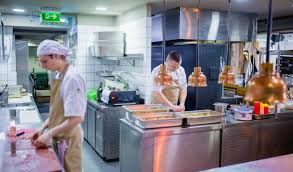
Cost is a fundamental concept in economics, defined as the payment made to acquire goods or services. In the food and beverage industry, cost encompasses the price of goods consumed or services rendered. This section explores the definition, elements, and classifications of cost to provide a comprehensive understanding.
Costs can be expressed in various ways, such as per unit of weight, volume, or total value. For instance, the cost of chicken might be calculated per 250 grams or per portion, while liquor costs could be per bottle or drink. Understanding these expressions is crucial for effective cost management.
Beyond direct prices, costs include indirect factors like time, transportation, and effort required to earn the money to pay for goods or services. These broader considerations help businesses assess the true cost of operations and make informed financial decisions.
A. Definition of Cost
1. Cost in Food and Beverage: In a food and beverage business, cost refers to the price paid for goods consumed or services rendered. For example, the cost of ingredients like meat or spices used in a dish represents the direct cost to the restaurant.
2. Expression of Costs: Costs can be expressed in various units, such as weight (e.g., cost per 250 grams of chicken), volume (e.g., cost per ounce of liquor), or total value. This flexibility aids in precise cost tracking and management.
3. Broader Cost Considerations: Beyond direct prices, costs include the cost of time, transportation, potential embarrassment, or effort to earn the required money. These factors reflect the comprehensive nature of cost in business operations.
B. Elements of Cost
1. Material Costs: Materials are substances used to create products, such as food ingredients or beverages. These can be direct (e.g., meat, spices) or indirect (e.g., fuel, cleaning supplies), depending on their role in the final product.
2. Labor Costs: Labor costs include salaries, wages, or bonuses paid to employees who prepare or serve food and beverages. These are divided into direct labor (e.g., chefs) and indirect labor (e.g., storekeepers).
3. Expense Costs: Expenses cover all other costs beyond materials and labor, such as rent, taxes, or equipment hire. These can be direct (e.g., machinery for specific dishes) or indirect (e.g., depreciation, insurance).
C. Classification of Costs
1. Actual vs. Budgeted Costs: Actual costs are expenses incurred, like purchasing ingredients, while budgeted costs are forecasted expenses planned for future operations, aiding in financial planning.
2. Controllable vs. Non-Controllable Costs: Controllable costs, like food portion sizes, can be adjusted quickly, whereas non-controllable costs, such as rent or taxes, remain fixed in the short term.
3. Fixed vs. Variable Costs: Fixed costs (e.g., rent, insurance) remain constant regardless of sales volume, while variable costs (e.g., food ingredients) fluctuate directly with sales and revenue.
4. Direct vs. Indirect Costs: Direct costs are tied to specific departments (e.g., food costs), while indirect costs, like electricity, are shared across operations and not easily allocated.
5. Specialized Costs: Joint costs are shared between departments (e.g., labor between kitchen and bar), while opportunity costs reflect lost profits from choosing one option over another. Sunk costs are irreversible, and prime costs combine food, beverage, and labor costs.
Sales Concepts in Business

Sales represent the revenue generated from exchanging products or services for value, crucial for profitability in the food and beverage industry. This section examines how sales are defined, categorized, and expressed to optimize business performance.
In restaurants, sales arise from dishes and drinks served, valued in monetary terms or as a promise to pay. The primary goal is to ensure total sales exceed total costs, enabling profitability. Managers must monitor costs to keep them below sales for financial success.
Sales concepts are expressed in monetary and non-monetary terms, providing insights into customer preferences, operational efficiency, and pricing strategies. Understanding these concepts helps businesses enhance their market appeal and profitability.
A. Monetary Sales Metrics
1. Total Sales: Total sales reflect the overall revenue in naira from all goods and services sold, providing a broad measure of business performance over a period.
2. Sales by Category: This measures sales of specific categories (e.g., desserts) relative to total sales, helping identify high-performing menu items and customer preferences.
3. Average Sale Metrics: Average sale per customer or server is calculated by dividing total sales by the number of customers or servers, indicating menu effectiveness and pricing strategy success.
B. Non-Monetary Sales Metrics
1. Total Number Sold: This tracks the quantity of items sold (e.g., dishes) in a period, helping managers identify popular items and forecast raw material needs.
2. Covers and Average Covers: A cover represents a single diner. Total covers count customers served, while average covers (per hour, day, or server) provide insights into operational efficiency.
3. Sales Mix: Sales mix compares the relative quantity of items sold within a category, aiming to maximize profits by prioritizing higher-margin items over lower-margin ones.
C. Factors Influencing Sales
1. Location and Convenience: A convenient location attracts more customers, increasing sales potential and market reach for food and beverage outlets.
2. Service, Style, and Product Quality: High-quality service, unique styles, and superior product quality encourage customer loyalty and repeat patronage, boosting sales.
3. Menu Variety and Pricing: Offering diverse menu items at acceptable prices appeals to a broader customer base, enhancing sales and profitability.
Cost-Volume-Profit (CVP) Analysis
The cost-volume-profit (CVP) analysis examines how costs, sales volume, and profits interact, aiding in planning and decision-making. This section explores CVP components, including contribution margin and break-even analysis, with practical examples from the food and beverage industry.
CVP analysis helps predict sales needed to achieve desired profits based on known costs. It focuses on product pricing, fixed and variable costs, sales volume, and product mix, providing a framework for financial forecasting and strategic planning.
A. Contribution Margin
1. Definition and Formula: Contribution margin is sales revenue minus variable costs, representing funds available to cover fixed costs and contribute to profit. Formula: Contribution Margin = Sales Revenue – Variable Costs.
2. Example Calculation: For Food Garden restaurant, with a ₦100 meal price, ₦20 variable cost, and ₦160,000 fixed cost, selling 6,000 meals yields a ₦480,000 contribution margin, resulting in ₦320,000 profit.
3. Contribution Margin Ratio: This ratio (Contribution Margin ÷ Sales) shows how sales changes affect contribution margin. For Food Garden, an 80% ratio means each ₦1 sales increase adds ₦0.80 to profit.
B. Break-Even Analysis
1. Break-Even Point: The break-even point is where sales yield no profit or loss. For Food Garden, selling 2,000 meals (₦160,000 contribution) covers fixed costs, achieving break-even.
2. Calculation Methods: Break-even can be calculated using the equation method (Fixed Expenses ÷ Unit Contribution Margin) or contribution margin method, both yielding the same result.
3. Advantages of Break-Even Analysis:
- Determines Production Volume: Helps decide the exact volume of goods to produce.
- Guides Pricing Decisions: Assists in setting optimal selling prices for dishes or drinks.
- Informs Production Strategies: Supports decisions on making or buying products and adopting new production systems.
C. CVP Equation and Target Profit
1. CVP Equation: Sales = Variable Cost + Fixed Cost + Profit. This equation illustrates how sales cover costs and contribute to profit, guiding financial planning.
2. Target Profit Analysis: Using CVP, businesses calculate sales needed for a target profit. Formula: Sales = Variable Expense + Fixed Expense + Profits.
3. Variable and Contribution Rates: Variable rate (Variable Cost ÷ Sales) and contribution rate (1 – Variable Rate) help predict how sales increases impact profit when costs remain constant.
Read Also: All You Need To Know About Animal Shelters
Cost Control Measures

Cost control is critical for maximizing restaurant profits by analyzing and reducing expenses. This section outlines key strategies for effective cost management, ensuring financial efficiency in the food and beverage industry.
Effective cost control involves monitoring inventory, managing employee costs, reducing waste, and designing strategic menus. These measures help restaurants optimize resources and maintain profitability in competitive markets.
A. Inventory Control
1. Managing Stock: Inventory control involves tracking stock using methods like FIFO (First In, First Out) or LIFO (Last In, First Out), aided by technology for efficiency.
2. Technology in Inventory: Software streamlines inventory management, reducing time and errors, ensuring accurate tracking of ingredients and supplies.
3. Benefits of Inventory Control: Proper inventory management minimizes waste, prevents shortages, and ensures cost-effective purchasing decisions.
B. Employee Management
1. Hiring and Training: Hiring the right staff and investing in their training enhances efficiency and service quality, reducing turnover costs.
2. Incentives for Retention: Offering insurance, pensions, or other benefits encourages employee loyalty, minimizing recruitment and training expenses.
3. Impact on Costs: Effective employee management reduces labor costs by ensuring staff are skilled and motivated, contributing to operational success.
C. Waste Management and Theft Prevention
1. Waste Management: Setting parameters to manage waste reduces unnecessary losses, preserving resources and lowering costs.
2. Theft Prevention: Technology aids in monitoring and preventing internal theft, ensuring sales and inventory accuracy.
3. Impact on Profitability: Reducing waste and pilferage directly improves profit margins by preserving resources for productive use.
D. Creative Menu Construction
1. Menu Design Factors: Consider location, target customers, ingredient count, and dish variety to create appealing menus that drive sales.
2. Pricing Strategy: Adjust menu prices based on seasonal demand to balance profitability and customer appeal.
3. Sales Impact: Strategic menu design enhances sales by offering popular items at competitive prices, boosting overall revenue.
Frequently Asked Questions
1. What is the cost concept in economics?
The cost concept refers to the financial valuation of resources, materials, risks, time, and utilities used to acquire goods or services, crucial for business operations.
2. How is cost classified in a business?
Costs are classified as actual, budgeted, controllable, non-controllable, fixed, variable, direct, indirect, joint, opportunity, sunk, and prime, based on their nature and behavior.
3. What is the difference between direct and indirect costs?
Direct costs are tied to specific departments (e.g., food costs), while indirect costs (e.g., electricity) are shared across operations and not easily allocated.
4. How does CVP analysis benefit restaurants?
CVP analysis helps predict sales needed for desired profits, guides pricing and production decisions, and identifies break-even points for financial planning.
5. What is the contribution margin ratio?
The contribution margin ratio is the contribution margin as a percentage of sales, showing how sales changes impact profit (e.g., 80% means ₦0.80 per ₦1 sales).
6. Why is inventory control important for cost management?
Inventory control minimizes waste, prevents shortages, and ensures cost-effective purchasing, directly improving profitability in the food and beverage industry.
7. How can restaurants reduce labor costs?
Restaurants can reduce labor costs by hiring the right staff, investing in training, and offering incentives like insurance to retain employees, enhancing efficiency.
8. What role does menu design play in sales?
Strategic menu design, considering location, customer preferences, and pricing, drives sales by offering appealing, high-margin items that attract customers.
Do you have any questions, suggestions, or contributions? If so, please feel free to use the comment box below to share your thoughts. We also encourage you to kindly share this information with others who might benefit from it. Since we can’t reach everyone at once, we truly appreciate your help in spreading the word. Thank you so much for your support and for sharing!