


Food-borne pathogens are the leading causes of illness and death in less developed countries, killing approximately 1.8 million people annually.
In developed countries, food-borne pathogens are responsible for millions of cases of infectious gastrointestinal diseases each year, costing billions of dollars in medical care and lost productivity.
Read Also : Methods of Fish Hormone Administration
Overview of Food-Borne Pathogens
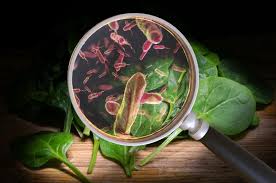
There are numerous food-borne pathogens; some of them are discussed below.
1. Enteric Viruses
Food and waterborne viruses contribute to a substantial number of illnesses throughout the world. Among those most commonly known are hepatitis A virus, rotavirus, astrovirus, enteric adenovirus, hepatitis E virus, and the human caliciviruses consisting of the noroviruses and the Sapporo viruses. This diverse group is transmitted by the fecal-oral route, often by ingestion of contaminated water and food.
2. Protozoan Parasites
Protozoan parasites associated with food and water can cause illness in humans. Although parasites are more commonly found in developing countries, developed countries have also experienced several food-borne outbreaks.
Contaminants may be inadvertently introduced to foods by inadequate handling practices, either on the farm or during processing of foods. Protozoan parasites can be found worldwide, either infecting wild animals or in water and contaminating crops grown for human consumption. The disease can be much more severe and prolonged in immune-compromised individuals.
3. Mycotoxins
Molds produce mycotoxins, which are secondary metabolites that can cause acute or chronic diseases in humans when ingested from contaminated foods. Potential diseases include cancers and tumors in different organs (heart, liver, kidney, and nerves), gastrointestinal disturbances, alteration of the immune system, and reproductive problems.
Species of Aspergillus, Fusarium, Penicillium, and Claviceps grow in agricultural commodities or foods and produce mycotoxins such as aflatoxins, deoxynivalenol, ochratoxin A, fumonisins, ergot alkaloids, T-2 toxin, zearalenone, and other minor mycotoxins such as cyclopiazonic acid and patulin.
Mycotoxins occur mainly in cereal grains (barley, maize, rye, and wheat), coffee, dairy products, fruits, nuts, and spices. Control of mycotoxins in foods has focused on minimizing mycotoxin production in the field, during storage, or destruction once produced.
Monitoring foods for mycotoxins is important to manage strategies such as regulations and guidelines, which are used by 77 countries, and for developing exposure assessments essential for accurate risk characterization.
Aflatoxins are still recognized as the most important mycotoxins. They are synthesized by only a few Aspergillus species, of which A. flavus and A. parasiticus are the most problematic.
The expression of aflatoxin-related diseases is influenced by factors such as age, nutrition, sex, species, and the possibility of concurrent exposure to other toxins. The main target organ in mammals is the liver, so aflatoxicosis is primarily a hepatic disease.
Conditions increasing the likelihood of aflatoxicosis in humans include limited availability of food, environmental conditions that favor mold growth on foodstuffs, and lack of regulatory systems for aflatoxin monitoring and control.
4. Yersinia Enterocolitica
Yersinia enterocolitica includes pathogens and environmental strains that are ubiquitous in terrestrial and freshwater ecosystems. Evidence from large outbreaks of yersiniosis and from epidemiological studies of sporadic cases has shown that Y. enterocolitica is a food-borne pathogen.
Pork is often implicated as the source of infection. The pig is the only animal consumed by humans that regularly harbors pathogenic Y. enterocolitica. An important property of the bacterium is its ability to multiply at temperatures near 0°C, and therefore in many chilled foods.
The pathogenic serovars (mainly O:3, O:5, 27, O:8, and O:9) show different geographical distributions. However, the appearance of strains of serovars O:3 and O:9 in Europe, Japan in the 1970s, and in North America by the end of the 1980s, is an example of a global pandemic. There is a possible risk of reactive arthritis following infection with Y. enterocolitica.
5. Vibrio Species
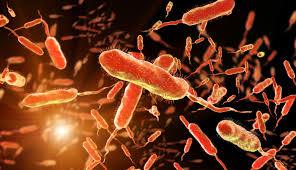
Vibrio species are prevalent in estuarine and marine environments, and seven species can cause food-borne infections associated with seafood. Vibrio cholerae O1 and O139 serotypes produce cholera toxin and are agents of cholera. However, fecal-oral route infections in the terrestrial environment are responsible for epidemic cholera.
V. cholerae non-O1/O139 strains may cause gastroenteritis through production of known toxins or unknown mechanisms. Vibrio parahaemolyticus strains capable of producing thermostable direct hemolysin (TDH) and/or TDH-related hemolysin are the most important causes of gastroenteritis associated with seafood consumption.
Vibrio vulnificus is responsible for seafood-borne primary septicemia, and its infectivity depends primarily on the risk factors of the host. V. vulnificus infection has the highest case fatality rate (50%) of any food-borne pathogen. Four other species (V. mimicus, V. hollisae,
V. fluvialis, and V. furnissii) can cause gastroenteritis. Some strains of these species produce known toxins, but the pathogenic mechanism is largely not understood. The ecology of and detection and control methods for all seafood-borne Vibrio pathogens are essentially similar.
6. Staphylococcus Aureus
Staphylococcus aureus is a common cause of bacterial food-borne disease worldwide. Symptoms include vomiting and diarrhea that occur shortly after ingestion of S. aureus toxin-contaminated food.
The symptoms arise from ingestion of preformed enterotoxin, which accounts for the short incubation time. Staphylococcal enterotoxins are superantigens and, as such, have adverse effects on the immune system.
The enterotoxin genes are accessory genetic elements in S. aureus, meaning not all strains of this organism are enterotoxin-producing. The enterotoxin genes are found on prophages, plasmids, and pathogenicity islands in different strains of S. aureus. Expression of the enterotoxin genes is often under the control of global virulence gene regulatory systems.
7. Campylobacter
Campylobacter spp., primarily C. jejuni subsp. jejuni, is one of the major causes of bacterial gastroenteritis in the U.S. and worldwide. Campylobacter infection is primarily a food-borne illness, usually without complications; however, serious sequelae, such as Guillain-Barré Syndrome, occur in a small subset of infected patients. Detection of C. jejuni in clinical samples is readily accomplished by culture and non-culture methods.
8. Listeria Monocytogenes
Listeria monocytogenes is a Gram-positive food-borne bacterial pathogen and the causative agent of human listeriosis. Listeria infections are acquired primarily through the consumption of contaminated foods, including soft cheese, raw milk, deli salads, and ready-to-eat foods such as luncheon meats and frankfurters.
Although L. monocytogenes infection is usually limited to individuals that are immunocompromised, the high mortality rate associated with human listeriosis makes it the leading cause of death among food-borne bacterial pathogens. As a result, tremendous effort has been made to develop methods for the isolation, detection, and control of L. monocytogenes in foods.
9. Salmonella
Salmonella serotypes continue to be a prominent threat to food safety worldwide. Infections are commonly acquired by animal-to-human transmission through consumption of undercooked food products derived from livestock or domestic fowl. The second half of the 20th century saw the emergence of Salmonella serotypes that became associated with new food sources (i.e., chicken eggs) and the emergence of Salmonella serotypes with resistance against multiple antibiotics.
10. Shigella
Shigella species are members of the family Enterobacteriaceae and are Gram-negative, non-motile rods. Four subgroups exist based on O-antigen structure and biochemical properties: S. dysenteriae (subgroup A), S. flexneri (subgroup B), S. boydii (subgroup C), and S. sonnei (subgroup D). Symptoms include mild to severe diarrhea with or without blood, fever, tenesmus, and abdominal pain.
Further complications of the disease may be seizures, toxic megacolon, reactive arthritis, and hemolytic uremic syndrome. Transmission of the pathogen is by the fecal-oral route, commonly through food and water. The infectious dose ranges from 10-100 organisms.
Shigella spp. have a sophisticated pathogenic mechanism to invade colonic epithelial cells of the host, humans, and higher primates, and the ability to multiply intracellularly and spread from cell to adjacent cell via actin polymerization. Shigella spp. is one of the leading causes of bacterial food-borne illnesses and can spread quickly within a population.
11. Escherichia Coli
More information is available concerning Escherichia coli than any other organism, thus making E. coli the most thoroughly studied species in the microbial world. For many years, E. coli was considered a commensal of human and animal intestinal tracts with low virulence potential.
It is now known that many strains of E. coli act as pathogens, inducing serious gastrointestinal diseases and even death in humans. There are six major categories of E. coli strains that cause enteric diseases in humans, including:
- Enterohemorrhagic E. coli, which cause hemorrhagic colitis and hemolytic uremic syndrome.
- Enterotoxigenic E. coli, which induce traveler’s diarrhea.
- Enteropathogenic E. coli, which cause persistent diarrhea in children living in developing countries.
- Enteroaggregative E. coli, which provoke diarrhea in children.
- Enteroinvasive E. coli, which are biochemically and genetically related to Shigella species and can induce diarrhea.
- Diffusely adherent E. coli, which cause diarrhea and are distinguished by a characteristic type of adherence to mammalian cells.
12. Clostridium Botulinum and Clostridium Perfringens
Clostridium botulinum produces extremely potent neurotoxins that result in the severe neuroparalytic disease, botulism. The enterotoxin produced by C. perfringens during sporulation of vegetative cells in the host intestine results in debilitating acute diarrhea and abdominal pain.
Sales of refrigerated, processed foods of extended durability, including sous-vide foods, chilled ready-to-eat meals, and cook-chill foods, have increased over recent years.
Anaerobic spore-formers have been identified as the primary microbiological concerns in these foods. Heightened awareness over intentional food source tampering with botulinum neurotoxin has arisen with respect to genes encoding the toxins that are capable of transfer to nontoxigenic clostridia.
13. Bacillus Cereus
The Bacillus cereus group comprises six members: B. anthracis, B. cereus, B. mycoides, B. pseudomycoides, B. thuringiensis, and B. weihenstephanensis. These species are closely related and should be placed within one species, except for B. anthracis, which possesses specific large virulence plasmids.
B. cereus is a normal soil inhabitant and is frequently isolated from a variety of foods, including vegetables, dairy products, and meat. It causes a vomiting or diarrhea illness that is becoming increasingly important in the industrialized world.
Some patients may experience both types of illness simultaneously. The diarrheal type of illness is most prevalent in the western hemisphere, whereas the emetic type is most prevalent in Japan.
Desserts, meat dishes, and dairy products are the foods most frequently associated with diarrheal illness, whereas rice and pasta are the most common vehicles of emetic illness. The emetic toxin (cereulide) has been isolated and characterized; it is a small ring peptide synthesized nonribosomally by a peptide synthetase.
Three types of B. cereus enterotoxins involved in food-borne outbreaks have been identified. Two of these enterotoxins are three-component proteins and are related, while the last is a one-component protein (CytK).
Deaths have been recorded both by strains that produce the emetic toxin and by a strain producing only CytK. Some strains of the B. cereus group are able to grow at refrigeration temperatures.
These variants raise concern about the safety of cooked, refrigerated foods with an extended shelf life. B. cereus spores adhere to many surfaces and survive normal washing and disinfection (except for hypochlorite and UVC) procedures. B. cereus food-borne illness is likely underreported because of its relatively mild symptoms, which are of short duration.
Read Also : Methods of Fish Hormone Administration
Principles of Food Sanitation

Food sanitation is a series of protocols designed to prevent the contamination of food, keeping it safe to eat. Different nations have specific laws in place concerning food sanitation, along with lengthy lists of recommendations from public health agencies.
The practice of food sanitation is especially important to people in the food industry, at every step of the supply chain from workers in the fields to waiters at restaurants, but home cooks also need to observe the basics of food sanitation for safety.
Importance of Food Sanitation
From the moment that food is harvested to the time that it is eaten, it is vulnerable to cross-contamination with bacteria and other substances that could be harmful.
The key to food sanitation is keeping food safe and clean, with all handlers observing personal hygiene to avoid introducing harmful elements to food, and complying with food sanitation recommendations concerning safe holding temperatures for food, safe cooking temperatures, sterilization of cutting boards and other implements, etc.
At home, common-sense precautions like keeping foods frozen or refrigerated before use, washing foods before consumption, washing hands before handling food, cooking or reheating food thoroughly, and using separate cutting boards for meats and vegetables are often sufficient to keep people from getting sick.
Certain foods may require additional precautions; people making foods with raw fish and meats, for example, need to select their ingredients carefully at the store and handle them with special care because bacteria will not be eliminated through cooking.
In the commercial food industry, which prepares packaged foods, fast foods in locations like cafeterias, and meals in restaurants, food sanitation can get extremely complex. A single mistake along the sanitation chain could make numerous people sick.
If, for example, someone failed to wash their hands after using the restroom and then prepared boxed salads for customers of a deli, these customers could get sick from fecal bacteria on the leaves of the salad greens.
Outbreaks of food-borne illness due to poor food sanitation are a recurrent problem in many regions of the world. Failure to process foods properly has led to sickness from peanut butter, spinach, hamburger meat, and many other basic staples, and outbreaks have also been traced to restaurants, roadside food stands, and many other locations where food is sold or traded.
Even institutions like churches and community bake sales are not exempt from food sanitation issues, making it important for people to remember to use handling precautions every time they come into contact with food.
Practical Food Sanitation Tips
Following these simple sanitation tips can reduce the chance that people or those served food will suffer from food-borne illnesses.
Personal Hygiene Practices
- Do not handle food when sick.
- Cover cuts, burns, sores, and abrasions with a tight, dry, antiseptic bandage.
- Shower or bathe daily when handling food.
- Keep clothes clean; wear an apron and change it if hands are wiped on it or it becomes soiled.
- Keep hair clean and tied back.
- Use soap and plenty of hot water to wash hands frequently, especially after any act that might contaminate foods.
What sorts of acts might contaminate foods? Touching eyes, mouth, ears, nose, or hair, smoking, eating or drinking, using the restroom, sneezing or coughing, using a tissue or handkerchief, handling raw food (such as unwashed fruits or vegetables or uncooked meat), taking out the trash, touching a pet or animal, or touching any dirty surfaces (such as washcloths, money or credit cards, or soiled dishes or linen).
If food handler gloves are worn, throw them away after each use, or wash gloved hands as thoroughly as bare hands would be washed. Gloves can spread germs just as easily as bare hands.
Hygiene in Food Preparation
- Keep raw food away from ready-to-eat or cooked food.
- Keep all food away from chemicals.
- Keep cold or frozen foods out of the refrigerator or freezer for as short a time as possible.
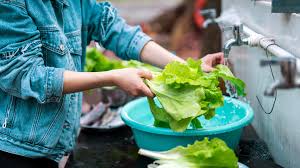
- Wash all raw fruits and vegetables before preparation.
- Cover food during preparation.
- When plating food, avoid handling tableware that may touch people’s mouths.
- Never plate food that has touched the floor, unwashed hands, or dirty equipment.
- Always use tongs or scoops when necessary. Wear latex gloves, and never touch prepared food with hands.
- Wipe up spills promptly.
- Hold food at proper temperatures. Some safe holding temperatures for food are:
- Stuffed meats and reheated leftovers: 165 degrees Fahrenheit (74 degrees Celsius) or above
- Cold food: 40 degrees Fahrenheit (4 degrees Celsius) or below
- Beef and other hot food: 140 degrees Fahrenheit (60 degrees Celsius) or above
- Fish and poultry: 145 degrees Fahrenheit (63 degrees Celsius) or above
- Cooked pork, pork products, hamburgers, and eggs: 155 degrees Fahrenheit (68 degrees Celsius)
- Clean and sanitize equipment and utensils after each changed use. This includes knives, cutting boards, and thermometers.
Food Storage Hygiene Practices
- Do not refreeze food after it has thawed.
- Always label and date leftovers.
- Store raw or thawing meats on the lowest refrigerator shelves.
- Store shellfish in the original containers.
- Always store food in food-grade containers and food wrap.
- Most harmful germs thrive in temperatures between 40 and 140 degrees Fahrenheit (4 and 60 degrees Celsius). This is known as the Temperature Danger Zone. However, that number may vary slightly as different health departments vary that amount by plus or minus 5 degrees.
When preparing food, keep it out of the Temperature Danger Zone as much as possible. Note that the Temperature Danger Zone includes room temperature. Whenever a potentially hazardous food (fish, beef, poultry, eggs, dairy products, shellfish, pork, some beans) has been in the Temperature Danger Zone for four hours or more, it should be thrown out.
Salmonella bacteria are the number one cause of food-borne infection. Typical sources of Salmonella are meat, poultry, and eggs. Infection can be prevented by cooking food thoroughly and chilling leftovers rapidly.
There are two special methods that can help raise the standards of sanitation in the kitchen. The first is the two-spoon tasting method. Use a clean spoon to scoop up the item to taste. Pour that food into a second clean spoon and then taste it. Never taste food over an open container. This ensures that the spoon used for tasting does not go back into the food being prepared.
The second method is also one of the most effective ways of preventing the spread of germs: hand washing. Wet hands with hot water and wash hands and wrists with soap for at least 20 seconds. Scrub nails with a nail brush. Rinse hands with hot water for 20 seconds.
Follow this procedure twice after using the restroom. Dry hands using a single-use paper towel or an air dryer. Kitchen towels can retain germs.
The method used for thawing food is also an integral part of safe food handling. There are three safe ways of thawing frozen food: in a refrigerator, under running water, and in a microwave. Never thaw frozen food at room temperature. It runs the risk of contamination whenever it is left at room temperature.
When thawing frozen food in the refrigerator, remove the food from the freezer. Thaw only the amount of food needed. Place the wrapped food in a shallow container on the lowest shelf of the refrigerator. Do not unwrap the food for thawing.
Make sure the refrigerator temperature is cold enough to keep the thawing food cooler than 40 degrees Fahrenheit (4 degrees Celsius). Leave the food in the refrigerator until it is totally thawed. Large amounts of food or food in boxes can take several days to fully thaw in the refrigerator.
When thawing frozen foods under running water, begin by removing only the amount of food needed from the freezer. Make sure the food is tightly wrapped or placed in a watertight container.
Place the wrapped food or container under cold running water of 70 degrees Fahrenheit (21 degrees Celsius) or less. Make sure the water does not directly touch the food and that the food does not directly touch the sink. Leave the food under running water until it is completely thawed.
When thawing frozen food in a microwave oven, begin by removing only the amount of food needed from the freezer. Put the food in a microwave-safe container. Adjust the microwave setting according to the manufacturer’s instructions.
Start the microwave. Thaw food in a microwave oven only in emergencies. Cook food immediately after microwave thawing. Microwave cooking causes food to lose moisture and reduces its quality.
Frequently Asked Questions (FAQs)
- What are food-borne pathogens, and why are they a concern?
Food-borne pathogens are microorganisms, such as bacteria, viruses, and parasites, that cause illness when ingested through contaminated food or water. They are a concern because they are the leading cause of illness and death in less developed countries, killing approximately 1.8 million people annually, and in developed countries, they cause millions of cases of gastrointestinal diseases, costing billions in medical care and lost productivity. - What is food sanitation, and why is it important?
Food sanitation refers to protocols designed to prevent food contamination, ensuring it is safe to eat. It is important because food is vulnerable to cross-contamination with harmful bacteria and substances from harvest to consumption. Proper sanitation prevents outbreaks of food-borne illnesses, which can occur in settings like restaurants, homes, or even community events. - Which food-borne pathogens are discussed in the article?
The article discusses enteric viruses, protozoan parasites, mycotoxins, Yersinia enterocolitica, Vibrio species, Staphylococcus aureus, Campylobacter, Listeria monocytogenes, Salmonella, Shigella, Escherichia coli, Clostridium botulinum, Clostridium perfringens, and Bacillus cereus. - How do mycotoxins affect human health?
Mycotoxins, produced by molds, can cause acute or chronic diseases, including cancers, tumors in organs (heart, liver, kidney, nerves), gastrointestinal disturbances, immune system alterations, and reproductive problems when ingested from contaminated foods like cereal grains, coffee, dairy, fruits, nuts, and spices. - What are some key practices for maintaining personal hygiene in food handling?
Key practices include not handling food when sick, covering cuts with antiseptic bandages, showering or bathing daily, keeping clothes and hair clean, washing hands frequently with soap and hot water, and avoiding actions like touching the face, smoking, or handling raw food without proper hygiene. - How can food be safely thawed to prevent contamination?
Food can be safely thawed in a refrigerator, under cold running water (70°F or less), or in a microwave. Never thaw food at room temperature, as it risks contamination. For refrigerator thawing, place wrapped food on the lowest shelf; for water thawing, ensure food is in a watertight container; for microwave thawing, cook immediately after thawing. - What is the Temperature Danger Zone, and why should it be avoided?
The Temperature Danger Zone is 40–140°F (4–60°C), where most harmful germs thrive. Food should be kept out of this range as much as possible, and potentially hazardous foods (e.g., fish, beef, poultry, eggs) left in this zone for four hours or more should be discarded to prevent food-borne illness. - What is the two-spoon tasting method, and how does it help with food sanitation?
The two-spoon tasting method involves using a clean spoon to scoop food, pouring it into a second clean spoon for tasting, and never tasting over an open container. This prevents the tasting spoon from contaminating the food being prepared, reducing the risk of spreading germs.
Do you have any questions, suggestions, or contributions? If so, please feel free to use the comment box below to share your thoughts. We also encourage you to kindly share this information with others who might benefit from it. Since we can’t reach everyone at once, we truly appreciate your help in spreading the word. Thank you so much for your support and for sharing!