


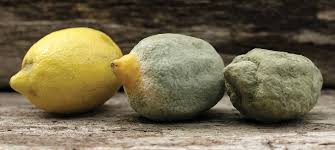
This article explores the critical topic of food deterioration and spoilage, a key aspect of food safety. Food deterioration and spoilage refer to processes or changes that render a product undesirable or unacceptable for consumption. Food deterioration can be regarded as the precursor to food spoilage.
Depending on the level of deterioration, deteriorated food may still be edible and safe to eat; for example, a wilted green leafy vegetable remains suitable for consumption, but when it decays, it is considered spoiled and unfit for consumption. In this article, the terms deterioration and spoilage are used interchangeably.
Many food products are perishable by nature and require protection from spoilage during preparation, storage, and distribution to achieve the desired shelf life. As food products are often sold far from their production sites, the need for extended safe shelf life has increased.
In food production, proper measures must be taken to ensure the safety and stability of the product throughout its shelf life. Shelf life is defined as the time during which a food remains stable and retains its desired qualities. This article discusses the causes of food spoilage, the classification of foods based on shelf life, and the conditions that promote food spoilage.
Read Also: Small Ruminants: Sheep and Goats Classification
Causes of Food Deterioration and Spoilage

Some spoilage is inevitable, and a variety of factors contribute to food deterioration:
1. Endogenous Enzymes: In plants, enzymes oxidize phenolic compounds (causing browning) or degrade pectins (causing softening), for example, the browning reaction in yam slices.
2. Insects and Rodents: Insects infest foods, and rodents chew on them, causing damage.
3. Parasites: Visible parasites, such as tapeworms in pork or fish, render food undesirable.
4. Microbes: Bacteria, molds, and yeasts grow on and metabolize foods.
5. Light: Light causes degradation of pigments, fats, and proteins, leading to off-flavors and odors, or stimulates pigment production, such as greening in potatoes.
6. Temperature: Excessive heat or freezing affects the texture of foods and breaks emulsions; air, particularly oxygen, oxidizes lipids, producing strong off-odors and flavors.
7. Moisture: Too little moisture causes cracking, crumbling, or crystallization, whereas excess moisture leads to sogginess, stickiness, or lumping.
8. Physical Injury: Bruising, pressure, freezing, drying, and radiation cause physical damage.
These causes of food spoilage can be broadly categorized as:
1. Biological: Microorganisms, pests, and insects.
2. Physical: Bruises, cracking, loss of moisture, and light.
3. Chemical: Enzymatic reactions, ripening, and respiration.
These factors are interrelated, as specific temperatures, oxygen levels, and moisture content increase the activity of endogenous enzymes and microbes. Rodent and insect damage may provide entry points for microbial growth. Early detection of spoilage is advantageous in reducing food loss, as interventions may halt or delay deterioration.
Negative Impacts of Food Spoilage
Food spoilage has several adverse effects:
1. Unwholesome Effects: Toxins and metabolites from pathogenic microorganisms can make food unsafe.
2. Health Risks: Spoiled canned food can have serious health implications and may lead to death.
3. Changes in Organoleptic Features: Spoilage results in color changes, texture issues, and the production of undesirable flavor and aroma compounds by spoilage organisms. For example, spoiled meat produces an offensive odor and undesirable textural changes.
4. Economic Loss: Spoilage reduces the economic value of food due to lower quality.
Classification of Foods Based on Shelf Life
Based on the ease or speed with which a food item spoils (i.e., its shelf life), foods can be categorized into three groups:
1. Non-Perishable Foods: These foods do not spoil easily unless handled or stored carelessly and can be stored for several months. Examples include cereals like rice, maize, sorghum, pulses (beans, peas, lentils), sugar, and garri.
2. Semi-Perishable Foods: These foods can survive without perceptible signs of spoilage for a few weeks or months, depending on temperature and humidity. Examples include potatoes, yam, garlic, citrus fruits, and fats and oils.
3. Perishable Foods: These foods spoil easily within a day or two unless special preservation methods are used. Examples include fresh animal foods such as milk and milk products, meat and meat products, fish, poultry, and most fruits like bananas and mangoes, as well as vegetables like spinach, tomatoes, and fluted pumpkin.
Read Also: Complete Guide on Sheep and Goats Production
Conditions Promoting Food Spoilage
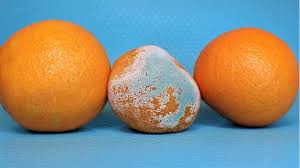
Microbes require specific conditions for growth, and managing the environment of foods can alter these factors to delay spoilage:
1. Nutrients: The chemical composition of a food influences the type of spoilage microbe and the products liberated during growth. Foods provide water, nitrogen, minerals, and vitamins to microorganisms.
2. Time: One bacterium can divide into two every 20 minutes. Foods where bacteria multiply rapidly are called perishable foods.
3. Temperature: Many microbes grow slowly or not at all at low temperatures, and refrigeration can decrease the microbial growth rate.
4. Water Activity/Moisture Content: Many microbes require high water activity (aW) or moisture content. Keeping foods like grains and cereal products dry helps preserve them. Water activity (aW) measures how much water is free and available for microorganisms to use for growth, making it critical for food safety.
A food may have high moisture content but low water activity, such as high-sugar foods like jam, where water is bound to sugar and unavailable for microbial growth. Water activity ranges between 0 and 1, with 0 indicating no available water (rare in food) and 1 indicating pure water. Most foods have a water activity between 0.2 and 0.99.
Water Activity Requirements for Microbial Proliferation
| Microorganism | Water Activity (aW) |
|---|---|
| Spoilage Bacteria | 0.90 – 0.91 |
| Spoilage Yeast | 0.87 – 0.94 |
| Clostridium botulinum | 0.70 – 0.80 |
| Salmonella | 0.95 – 0.96 |
| S. aureus | 0.86 – 0.92 |
1. Oxygen: Some bacteria, known as aerobic bacteria, require oxygen to grow, while anaerobic bacteria thrive in its absence. Managing the atmosphere during storage or packaging can retard or prevent microbial growth.
2. pH Level: An acidic or alkaline environment can promote or inhibit microbial growth. Most bacteria prefer a neutral pH (6.6–7.5), while molds and yeasts can survive at pH levels of 1–1.5 (very acidic). Food spoilage often occurs due to yeast and mold growth.
pH of Some Common Foods
| Class | pH | Examples |
|---|---|---|
| High Acid | < 4.5 | Lemon, Tomatoes |
| Medium Acid | 4.5 – 5.0 | Bread, Cheese |
| Low Acid | 5.0 – 7.0 | Milk, Vegetables |
| Alkaline | > 7.0 | Eggs |
Strategies to Reduce Food Spoilage
Given the serious consequences of food spoilage for health and food quality, strategies must be implemented to minimize spoilage. This involves storing and preserving foods under conditions that reduce the various causes of spoilage, such as controlling microorganisms, chemical reactions, temperature, and oxygen levels.
This article has explored the definition of food deterioration and spoilage, identifying their causes, including microorganisms, chemical reactions, temperature, and oxygen. The negative consequences of spoilage, such as unwholesome effects and quality changes, have been highlighted.
Foods are classified into non-perishable, semi-perishable, and perishable categories based on their ease of spoilage. Conditions promoting spoilage, such as nutrients, oxygen, time, and temperature, have also been discussed.
Do you have any questions, suggestions, or contributions? If so, please feel free to use the comment box below to share your thoughts. We also encourage you to kindly share this information with others who might benefit from it. Since we can’t reach everyone at once, we truly appreciate your help in spreading the word. Thank you so much for your support and for sharing!