


Foodservice involves providing food and beverages consumed outside the home, driven by convenience, new flavors, celebrations, or socializing. Outlets like hotels and restaurants cater to diverse eating occasions. This article explores various food service methods, their classifications, and operational requirements for effective delivery to customers.
Each method aims to enhance customer satisfaction through quality, presentation, and efficiency. From self-service cafeterias to waiter-assisted dining, the choice of method aligns with the establishment’s concept and customer expectations, ensuring a memorable dining experience.
Read Also: Options for Genetic Improvement in Tropical Livestock
Food And Beverage Service
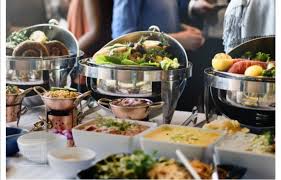
Food and beverage service focuses on delivering and presenting food and drinks to customers after production. Food service may involve transportation, such as in centralized cook-freeze operations, while beverage service typically occurs closer to production facilities, requiring minimal transport.
Effective service methods prioritize customer satisfaction and operational efficiency. Key requirements include robust feedback systems, attractive presentation, quality control, and hygiene standards. Below, we outline essential components for successful food and beverage service.
A. Defining Food Service
1. Food Flow Phase: Food service encompasses the delivery and presentation of food from purchase to the customer, post-production.
2. Transportation Needs: In some cases, like centralized cook-freeze systems, food service includes transporting meals to peripheral units.
3. Customer Focus: The goal is to serve food at the correct temperature, attractively presented, ensuring a pleasurable dining experience.
B. Defining Beverage Service
1. Beverage Flow Phase: Beverage service involves presenting drinks to customers after production, often with minimal transportation.
2. Proximity to Production: Beverage production and service facilities are typically close, streamlining the delivery process.
3. Presentation Priority: Attractive presentation and quality control are critical for customer satisfaction in beverage service.
C. Requirements for Success
1. Feedback Systems: A robust customer and staff feedback process ensures continuous improvement in service quality.
2. Value Perception: The service method must align with the establishment’s concept and be seen as value for money.
3. Operational Standards: Efficient service, hygiene, safety, and cost/profit targets are essential for successful operations.
Classification of Food Service Methods
Food service methods vary based on style, arrangement, and customer interaction. They are broadly classified into self-service, waiter service, and special service arrangements. Each method caters to different dining preferences, balancing convenience, personalization, and efficiency to meet customer expectations.
The choice of method impacts the dining experience, from casual self-service to formal waiter service. Below, we explore the primary categories and their specific approaches to food delivery.
A. Self-Service Methods
1. Customer-Driven Service: Customers select their food, cutlery, and carry them to the dining area, reducing staff involvement.
2. Types of Self-Service: Includes traditional cafeterias, free-flow cafeterias, carousels, and vending operations.
3. Cost Efficiency: Self-service methods typically offer lower prices due to reduced labor costs.
B. Waiter Service Methods
1. Personalized Service: Waiters transport and serve food to customers at tables, counters, or bars, enhancing the dining experience.
2. Service Styles: Includes counter/bar service, table service (e.g., American, French, Russian, English), and banquet service.
3. Higher Costs: Personalized service commands higher prices due to increased staff involvement and service quality.
C. Special Service Arrangements
1. Targeted Delivery: Designed for specific situations, like hospital patients or airline passengers, requiring tailored food transport.
2. Centralized Tray Systems: Common in hospitals, where patients select meals via menu cards for delivery the next day.
3. Hybrid Approaches: Combines elements of self-service and waiter service for flexibility in certain catering operations.
Self-service Methods In Detail
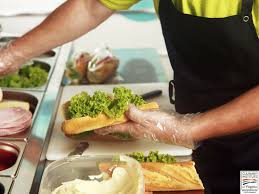
Self-service methods prioritize customer autonomy, allowing them to choose and carry their meals. These methods are cost-effective and widely used in casual dining settings like cafeterias and vending operations. They vary in complexity, from simple counter setups to automated systems.
Each self-service method offers unique advantages, such as speed and flexibility, but may lack the personal touch of waiter service. Below, we detail the main types of self-service methods.
A. Traditional Cafeteria
1. Linear Setup: Customers move along a straight counter, selecting menu items on a tray before dining.
2. Simple Operation: Requires minimal staff assistance, focusing on customer self-selection and efficiency.
3. Dining Experience: Customers carry trays to a dining area, enjoying a straightforward, cost-effective meal.
B. Free-Flow Cafeteria
1. U-Shaped Design: Food stations form a hollow square, allowing customers to access hot or cold sections directly.
2. Flexible Navigation: Customers move freely to preferred stations, reducing wait times during peak periods.
3. Enhanced Efficiency: The layout minimizes bottlenecks, improving the flow of customer traffic.
C. Carousel Service
1. Rotating Shelves: Features rotating shelves with plated foods, allowing customers to select meals from a stationary position.
2. Kitchen Integration: Food is passed from the kitchen to a plating table, feeding the carousel efficiently.
3. Payment Process: Customers pay at a cashier station after selecting meals from the revolving carousel.
D. Vending Operations
1. Automated Retailing: Machines dispense food or beverages for payment, offering 24/7 service in public areas.
2. Product Variety: Includes snacks, beverages, and plated meals, vended through snack, refrigerated, or hot meal machines.
3. Accessibility: Machines are placed in high-traffic areas like airports, shopping courts, and leisure centers.
E. Advantages of Vending
1. Flexibility: Provides round-the-clock service, complementing or replacing traditional catering.
2. Quality Control: Ensures consistent product quality, especially for pre-packed snacks and beverages.
3. Operational Efficiency: Reduces labor costs, wastage, and pilferage while enabling quick service.
F. Disadvantages of Vending
1. Impersonality: Lacks the personal touch of traditional service, which some customers prefer.
2. Product Limitations: Machines are tailored to specific products, limiting menu flexibility.
3. Reliability Issues: Mechanical failures can cause customer dissatisfaction and service disruptions.
Waiter Service Methods In Detail
Waiter service methods provide personalized dining experiences, with staff delivering food directly to customers. These methods are common in upscale restaurants, hotels, and banquets, offering a higher level of service at a premium price.
The focus is on enhancing the dining atmosphere through attentive service and attractive presentation. Below, we explore the key waiter service methods and their unique characteristics.
A. Counter or Bar Service
1. Counter Setup: Customers sit at a straight or U-shaped counter, served by waiters for quick service.
2. Impulse Purchases: Food displays encourage spontaneous orders, boosting sales.
3. Efficient Service: The U-shaped design allows waiters to handle high volumes efficiently.
B. Table Service
1. Menu Options: Offers à la carte (individually priced items) or table d’hôte (set meals at a fixed price).
2. Service Styles: Includes American (pre-plated), French (gueridon preparation), Russian (silver service), and English (host carving).
3. Personalized Experience: Waiters deliver and serve food, enhancing customer satisfaction.
C. Banquet and Room Service
1. Banquet Service: Used for large events like weddings, offering a range of service styles for catered functions.
2. Room Service: Guests order food to their hotel rooms, though less common today than in the past.
3. High-End Appeal: Both methods cater to upscale settings, prioritizing guest convenience and luxury.
Read Also: All You Need To Know About Animal Shelters
Special Service Arrangements
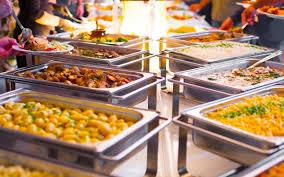
Special service arrangements cater to unique situations, such as hospitals, airlines, or homebound individuals, where food must be transported and served directly. These methods prioritize accessibility and tailored delivery to meet specific needs.
The focus is on ensuring food reaches customers efficiently while maintaining quality and dietary requirements. Below, we detail key special service arrangements.
A. Centralized Tray Service
1. Hospital Application: Patients select meals via menu cards, specifying portion sizes and dietary needs.
2. Streamlined Process: Meals are prepared and delivered on trays, ensuring timely service.
3. Customization: Accommodates individual preferences, enhancing patient satisfaction.
B. Car or Drive-In Service
1. In-Car Dining: Customers eat in their vehicles, served by carhops who attach trays to car doors.
2. Take-Out Option: Customers can purchase food to consume elsewhere, offering flexibility.
3. Fast Service: Standardized menus and processes ensure quick delivery and payment.
C. Carvery and Buffet
1. Carvery Service: Customers select main courses from a counter, aided by a chef, with waiters serving other courses.
2. Buffet Service: Customers self-serve from attractively displayed tables, emphasizing presentation.
3. Hybrid Approach: Combines self-service and waiter assistance for a balanced dining experience.
Frequently Asked Questions
1. What is the main goal of food service methods?
The main goal is to deliver high-quality food at the correct temperature, attractively presented, ensuring a pleasurable dining experience for customers.
2. How does self-service differ from waiter service?
Self-service involves customers selecting and carrying their own food, while waiter service provides personalized delivery by staff, often at a higher cost.
3. What are the benefits of vending machines in food service?
Vending offers 24/7 service, consistent quality, reduced labor costs, and minimal wastage, making it ideal for high-traffic areas.
4. What are the drawbacks of vending machines?
Vending lacks personal interaction, has limited product flexibility, and can be unreliable due to mechanical issues, potentially causing customer dissatisfaction.
5. How does a free-flow cafeteria improve efficiency?
Its U-shaped or staggered design allows customers to access food stations directly, reducing wait times and improving traffic flow.
6. What is the difference between à la carte and table d’hôte menus?
À la carte menus offer individually priced items for customer selection, while table d’hôte provides a set meal at a fixed price.
7. Why are special service arrangements used?
They cater to unique situations, like hospitals or airlines, where food must be transported and served directly to meet specific customer needs.
8. What makes French service unique in table service methods?
French service involves preparing food on a gueridon in the dining room, offering an elaborate and theatrical dining experience.
Do you have any questions, suggestions, or contributions? If so, please feel free to use the comment box below to share your thoughts. We also encourage you to kindly share this information with others who might benefit from it. Since we can’t reach everyone at once, we truly appreciate your help in spreading the word. Thank you so much for your support and for sharing!