


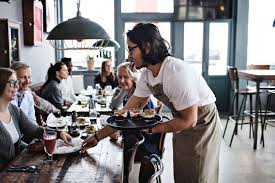
The restaurant industry thrives on seamless operations, and the front of the house (FOH) plays a pivotal role in shaping the guest experience. This article explores the key aspects of FOH operations, from organization to service styles, ensuring a welcoming and efficient dining environment.
FOH encompasses all areas where customers interact with staff, such as dining areas and entryways. It’s where first impressions are made and guest satisfaction is prioritized. Understanding FOH operations is crucial for delivering exceptional hospitality and maintaining a restaurant’s reputation.
Restaurant Organization and Structure
The front of the house is where customers directly engage with staff, creating memorable dining experiences. Effective organization ensures smooth operations and guest satisfaction. Managers and staff work together to maintain high standards in the dining area.
A. Roles and Responsibilities
1. General Manager: Oversees the entire restaurant, ensuring all operations align with business goals.
2. Specialized Managers: In larger restaurants, roles like kitchen, bar, or dining room managers handle specific areas.
3. Cross-Training: Managers are often trained to cover multiple roles, ensuring flexibility during peak times.
B. Staff with Guest Contact
The FOH team includes anyone interacting with guests, from hostesses to bussers. Each role contributes to a cohesive dining experience. Their efforts ensure guests feel welcomed and valued throughout their visit.
C. Maintaining Curbside Appeal
Restaurants create inviting first impressions through curbside appeal. Managers use checklists to ensure parking lots and gardens are well-maintained. Greeters may hold doors open, welcoming guests as they approach the restaurant.
D. Guest Greeting and Seating
Upon entry, a greeter or “smiling people greeter” (SPG) welcomes guests warmly. They escort guests to tables, present menus, and explain specials. If tables are unavailable, hostesses manage waitlists and guest preferences efficiently.
Read Also: 15 Medicinal Health Benefits Of Aspidosperma quebracho-blanco (Quebracho Blanco)
Service Operations and Guest Interaction

Service is the heart of FOH operations, directly impacting guest satisfaction. Servers and staff are trained to provide professional, attentive service while promoting menu items to enhance the dining experience and boost sales.
Effective service requires coordination and attention to detail. From greeting guests to suggestive selling, every interaction shapes their perception of the restaurant. Servers must balance efficiency with personalized care to meet guest expectations.
A. Table Service Steps
1. Greet Guests: Welcome guests promptly and warmly to set a positive tone.
2. Suggest Beverages and Appetizers: Offer drink options and appetizers to enhance the meal.
3. Take Orders and Check Satisfaction: Ensure orders are accurate and check guest satisfaction within two bites of entrees.
B. Server Responsibilities
Servers manage a set number of tables, typically up to five, depending on restaurant size. They introduce themselves, suggest specials, and take orders systematically, often clockwise, to avoid confusion. Pre-bussing tables keeps the dining area tidy.
C. Suggestive Selling Techniques
Suggestive selling boosts sales by recommending beverages, appetizers, or desserts. Servers describe or display items enticingly, making guests feel valued. Properly trained servers avoid overdoing it, ensuring suggestions feel natural and appealing.
D. Maintaining Service Standards
Servers must remain neat, clean, and organized (NCO). They ensure hot food is served hot and cold food is served cold. Anticipating guest needs, like replacing utensils, enhances the dining experience without disrupting the meal.
Restaurant Forecasting and Financial Planning
Forecasting is essential for restaurant success, predicting sales and staffing needs. By analyzing guest counts and average checks, restaurants create budgets to ensure financial viability and operational efficiency throughout the year.
Accurate forecasting helps restaurants prepare for busy periods and manage resources effectively. It involves analyzing past performance and anticipating trends to optimize operations and profitability.
A. Components of Forecasting
1. Guest Counts: Track the number of guests over specific periods, such as weekly or monthly.
2. Average Guest Check: Calculate by dividing total sales by the number of guests.
3. Accounting Periods: Divide the year into twelve 28-day and one 29-day period for accurate forecasting.
B. Sales Projections
Forecasting considers meal periods, days of the week, and holidays. Fridays are often the busiest, with weekends generating up to 50% of revenue. Daily forecasts multiply guest counts by average check amounts to project sales.
C. Staffing and Cost Management
Forecasting determines staffing levels and labor costs. Accurate predictions ensure restaurants are neither overstaffed nor understaffed. Comparing actual sales to forecasts helps refine future projections and maintain profitability.
Read Also : Guide to Proper Techniques of Fish Culture
Point of Sale and Reservation Systems
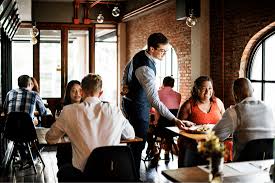
Modern restaurants rely on technology to streamline FOH operations. Point of Sale (POS) and reservation systems enhance efficiency, from order processing to table management, improving guest experiences and operational accuracy.
A. Types of POS Systems
1. Shopkeep: A cloud-based POS for iPads, ideal for menu customization and inventory tracking.
2. Square: Suited for quick-service restaurants, transforming iPads into cash registers.
3. NCR: Offers a robust cloud-based POS for larger restaurants and chains.
B. Reservation Systems
1. Open Table: Manages reservations, waitlists, and guest preferences, even when the restaurant is closed.
2. Next Table: A cloud-based system for table management and reservations on iPads.
3. Oracle and No Wait: Enable guests to check availability and request tables via mobile apps.
C. Benefits of Technology
Reservation systems store guest data, such as seating preferences and dietary needs. They allow smarter table management, pre-assigning tables and monitoring status, ensuring efficient seating and server assignments.
Styles of Service
Great service enhances the dining experience, and different styles cater to varying restaurant atmospheres. From casual to formal, each service style requires specific training and execution to meet guest expectations.
A. American Service
Food is prepared and plated in the kitchen, then served directly to guests. This less formal yet professional approach is popular among modern diners, requiring well-trained servers to act as salespeople.
B. French Service
Used in formal settings, food is arranged on platters and finished tableside on a gueridon. This expensive, impressive service is rare today due to high training costs and challenges in keeping food hot.
C. Russian Service
Food is cooked, garnished, and served individually from a dish using a spoon and fork. Typically used in formal restaurants, it faces similar challenges as French service in maintaining food temperature.
D. Qualities of Good Servers
Good servers anticipate guest needs, such as replacing utensils or remembering orders without asking. They gauge satisfaction levels, ensuring dishes are placed correctly and guests feel cared for throughout their meal.
Frequently Asked Questions
1. What is the front of the house in a restaurant?
The front of the house includes all areas where customers interact with staff, such as dining areas, entryways, and seating sections, ensuring a welcoming and efficient guest experience.
2. What roles are part of the front of the house?
FOH roles include general managers, hostesses, servers, bussers, and greeters, all of whom interact directly with guests to create a positive dining experience.
3. How does suggestive selling benefit restaurants?
Suggestive selling increases sales by recommending items like appetizers or desserts, enhancing the guest experience and boosting profit margins when done tactfully.
4. Why is restaurant forecasting important?
Forecasting predicts sales and staffing needs, helping restaurants manage resources, plan budgets, and ensure profitability by analyzing guest counts and average checks.
5. What are the differences between American, French, and Russian service?
American service plates food in the kitchen for a casual approach, while French and Russian services involve tableside preparation or serving, used in formal settings but less common today.
6. How do POS and reservation systems improve operations?
POS systems streamline order processing and inventory, while reservation systems like Open Table manage seating and guest preferences, enhancing efficiency and guest satisfaction.
7. What is curbside appeal, and why does it matter?
Curbside appeal involves maintaining an attractive restaurant exterior, like parking lots and gardens, to create a positive first impression and attract guests.
Do you have any questions, suggestions, or contributions? If so, please feel free to use the comment box below to share your thoughts. We also encourage you to kindly share this information with others who might benefit from it. Since we can’t reach everyone at once, we truly appreciate your help in spreading the word. Thank you so much for your support and for sharing!