


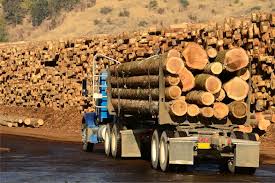
Logging is the process of harvesting tree crops, often termed forest exploitation in forestry. It connects timber production to consumption, involving technology and transportation challenges. This article explores logging and transportation processes, emphasizing efficient practices critical for sustainable forestry and economic viability.
The process demands careful planning, including building infrastructure like forest roads and landing sites for felled timber. Training for operating equipment such as axes, chainsaws, tractors, and trucks is vital. This article examines logging operations, transportation methods, and factors ensuring their success.
Logging Forest Products
Logging focuses on producing logs for sawmilling, veneer, and pulpwood for local or export markets. It also includes railway sleepers, poles, mine timbers, and firewood. Log quality, costs, and wastage significantly influence the success of forest utilization efforts.
High-quality logs enhance sawmill and plywood factory output and increase export prices. However, high logging costs can reduce profits. Poor management in felling and crosscutting leads to wastage, increasing expenses before harvesting begins, reflecting operational inefficiencies.
A. Importance of Log Quality
1. Enhanced Output: High-quality logs boost sawmill and plywood factory production.
2. Export Value: Superior logs fetch higher prices in international markets.
3. Cost Management: Efficient logging reduces wastage, lowering overall costs.
4. Management Indicator: Wastage in felling areas often reflects poor operational oversight.
B. Planning and Infrastructure
1. Strategic Mapping: Detailed maps guide enumeration and felling operations.
2. Infrastructure Needs: Forest roads and loading depots are critical for transport.
3. Equipment Use: Tractors, skidders, and trucks require skilled operation.
4. Transport Systems: Major and minor transport methods must be optimized.
C. Socioeconomic Impact
1. Employment Opportunities: Logging supports numerous jobs in lumber industries.
2. Capital Investment: Significant funds are invested in equipment and operations.
3. Revenue Generation: Logging contributes to economic welfare through revenue flow.
4. Sustainable Practices: Forester-logger cooperation ensures long-term forest viability.
Read Also : Methods of Fish Fecundity Determination
Silvicultural and Sustainable Logging

Logging in naturally regenerated forests can support silviculture by promoting sustained yield. Historically, selective felling prioritized profit over forest longevity, but modern practices in India, Europe, and Africa emphasize forester-logger collaboration to ensure forests endure indefinitely.
Sustainable logging reduces extraction costs and boosts demand for forest products. In America and Europe, forestry services guide private owners, ensuring economical and sustainable forest management for long-term productivity and environmental protection.
A. Selective Felling
1. Profit vs. Sustainability: Past practices focused on profit, neglecting continuity.
2. Modern Cooperation: Foresters and loggers work together for sustainability.
3. Silvicultural Benefits: Selective felling supports forest regeneration and yield.
4. Management Practices: Proper planning ensures forests remain productive.
B. Cost Reduction Strategies
1. Waste Management: Efficient disposal of wood and mill waste reduces costs.
2. Demand Creation: Innovative uses for forest products increase market demand.
3. Forestry Services: Expert advice lowers extraction costs for private owners.
4. Sustained Yield Focus: Economical logging supports long-term forest management.
C. Global Practices
1. Regional Variations: America, Europe, and Africa prioritize sustainable logging.
2. Private Sector Role: Trained foresters manage private forests for sustainability.
3. Economic Benefits: Sustainable logging enhances national revenue and jobs.
4. Environmental Protection: Careful logging minimizes ecosystem damage.
Planning Logging Operations
Effective logging requires detailed planning, considering area features, timber distribution, and extraction methods. Costs for construction, operation, and maintenance must be calculated to ensure economic viability and efficient resource use.
Plans should account for mill locations, roads, and rivers to minimize transportation costs. In Africa, concessionaires handle mapping and tree enumeration, with strict regulations protecting young trees and ensuring sustainable harvesting practices.
A. Area-Specific Planning
1. Location Details: Plans include proximity to rivers, towns, and roads.
2. Mill Placement: Strategic mill location reduces transport costs for products.
3. Timber Estimation: Governments or concessionaires estimate timber volume.
4. Regulatory Compliance: Strict controls prevent unauthorized felling.
B. Cost Considerations
1. Infrastructure Costs: Include construction of roads and camps.
2. Operational Costs: Cover equipment maintenance and labor expenses.
3. Loading Expenses: Account for costs of loading and unloading logs.
4. Felling Costs: Include expenses for felling and log preparation.
C. Extraction Methods
1. Method Selection: Depends on terrain and timber volume.
2. Financial Planning: Policies ensure cost-effective operations.
3. Equipment Needs: Specialized tools like skidders and tractors are essential.
4. Regulatory Fines: Penalties for damaging young trees enforce sustainability.
Labor and Camp Management
A motivated labor force is crucial for successful logging. Incentives like competitive wages, housing, and medical services attract workers to remote areas. Task-based work enhances productivity, allowing workers time for personal activities after completing tasks.
Camps must be located near working areas, on dry ground, with clean water access. Proper camp layout, with organized housing and amenities, ensures worker satisfaction and operational efficiency in remote forest settings.
A. Labor Incentives
1. Competitive Wages: Attract workers to remote forest areas.
2. Free Rations: Affordable food supplies improve worker satisfaction.
3. Quality Housing: Simple, locally built houses meet workers’ needs.
4. Additional Benefits: Medical services, savings schemes, and recreation.
B. Camp Siting
1. Central Location: Camps should be near working areas for efficiency.
2. Dry Ground: Essential for health and sanitation purposes.
3. Water Supply: Clean water from springs or wells is critical.
4. Emergency Access: Airstrips facilitate urgent transport needs.
C. Camp Construction
1. Organized Layout: Roads and aligned houses ease maintenance.
2. Tribal Separation: Different tribes prefer distinct camp sections.
3. Housing Standards: Adequate space for families and bachelors.
4. Senior Staff Housing: Prefabricated houses ensure mobility and comfort.
Read Also : Methods of Fish Age and Growth Studies
Tree Felling and Inventory
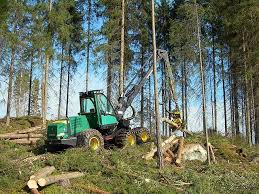
Tree marking aligns with inventory to plan logging. Trees are numbered and measured for species, height, and girth, providing timber volume data. Selective felling considers minimum diameters, operational needs, and management policies to balance profitability and sustainability.
In managed forests, felling follows plans to retain seed trees or lower-girth trees for future crops. In reserved forests, responsible officers mark trees, ensuring compliance with silvicultural goals and extraction routes for sustainable harvesting.
A. Tree Marking Process
1. Inventory Integration: Marking aligns with timber volume estimates.
2. Species Selection: Market conditions determine which species to fell.
3. Measurement Records: Girth and height data ensure accurate planning.
4. Felling Control: Numbering tracks felled trees to prevent errors.
B. Selection Criteria
1. Minimum Diameters: Set for each species to ensure sustainability.
2. Operational Needs: Felling aligns with the intended use of timber.
3. Cost Considerations: Marginal trees affect harvesting profitability.
4. Management Plans: Retain seed trees or lower-girth trees for crops.
C. Regulatory Oversight
1. Forest Officer Role: Ensures compliance with management plans.
2. Mapping Integration: Marked trees are recorded on forest maps.
3. Girdling Practices: Some trees are girdled for seasoning before felling.
4. Extraction Planning: Routes are planned to optimize harvesting.
Logging Rights and Methods
Logging rights are obtained through private forest ownership or permits for public/private land. Permits from forest officers regulate harvesting to protect the environment. Exploitation can be selective, targeting marked trees, or total, involving clear-felling and selection.
Sales methods include Out-Turn Volume (OTV), Stumpage Rate, and Area-Based Assessment, based on timber volume or species value. Timber inventory provides data on species, size, and maturity for effective logging planning.
A. Obtaining Logging Rights
1. Private Ownership: Farmers manage and harvest their tree farms.
2. Permits Required: Concessions are needed for public or private land.
3. Environmental Protection: Regulations ensure minimal ecological damage.
4. Strict Oversight: Permits enforce sustainable harvesting practices.
B. Sales Methods
1. Out-Turn Volume: Prices based on actual merchantable volume.
2. Stumpage Rate: Tariffs set by species’ market popularity.
3. Area-Based Assessment: Inventory-based billing for demarcated coupes.
4. Economic Classification: Trees are priced by economic importance.
C. Timber Inventory
1. Mapping Areas: Operations are planned by square kilometers.
2. Block Division: Areas are divided into manageable compartments.
3. Tree Enumeration: Economic trees are counted for planning.
4. Felling Selection: Targets thinning, diseased, or choice species.
Logging and Transportation Processes
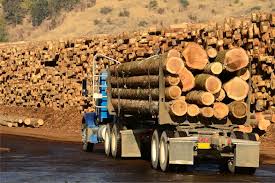
Logging involves felling, extraction, bucking, yarding, loading, and transportation. Equipment like axes, chainsaws, and wedges ensures precision, while modern methods minimize ecosystem damage. Transportation methods include road, water, rail, animal, and skyline, varying by infrastructure.
Careful handling prevents log deterioration from seasoning degrade, mechanical damage, microbial attack, or chemical stains. Coating log ends and quick processing mitigate risks, ensuring quality and economic value during transportation and storage.
A. Logging Flowchart
1. Felling: Cutting trees with precision tools like chainsaws.
2. Extraction: Delimbing, bucking, and minor transport to landing sites.
3. Loading and Transport: Moving logs to mills via various methods.
4. Storage: Logs are sorted and stored at landing sites.
B. Transportation Methods
1. Water Transport: Low-cost but slow, suitable for floatable logs.
2. Road Haulage: Effective with developed road networks, prone to damage.
3. Rail Haulage: Conveys large volumes but requires rail infrastructure.
4. Skyline Transport: Used in difficult terrains, high-cost but effective.
C. Preventing Deterioration
1. Seasoning Degrade: Coat log ends to prevent uneven moisture loss.
2. Handling Damage: Secure logs during transport to avoid fractures.
3. Microbial Attack: Treat logs with preservatives to prevent biodeterioration.
4. Chemical Stains: Quick processing reduces enzymatic reactions.
Frequently Asked Questions
1. What is logging in forestry?
Logging is the harvesting of tree crops, also known as forest exploitation, involving felling, extraction, and transportation of timber to mills or markets.
2. Why is log quality important?
High-quality logs increase sawmill output, fetch higher export prices, and reduce wastage, directly impacting the profitability of logging operations.
3. How does selective felling support sustainability?
Selective felling targets specific trees, retaining seed trees and younger trees to ensure forest regeneration and sustained yield over time.
4. What infrastructure is needed for logging?
Logging requires forest roads, landing sites, and equipment like chainsaws, tractors, and trucks to facilitate efficient harvesting and transportation.
5. How are logging rights obtained?
Rights are gained through private forest ownership or permits from forest officers, ensuring regulated and environmentally conscious harvesting.
6. What are the main transportation methods for logs?
Logs are transported via water, road, rail, animal, or skyline methods, each chosen based on infrastructure, cost, and terrain.
7. How can log deterioration be prevented?
Coating log ends, careful handling, quick processing, and chemical treatments prevent seasoning degrade, mechanical damage, and microbial attack.
8. Why is a harvesting plan important?
A harvesting plan ensures technically and environmentally sound operations, detailing tree felling, crew needs, and equipment for efficient logging.
Do you have any questions, suggestions, or contributions? If so, please feel free to use the comment box below to share your thoughts. We also encourage you to kindly share this information with others who might benefit from it. Since we can’t reach everyone at once, we truly appreciate your help in spreading the word. Thank you so much for your support and for sharing!