


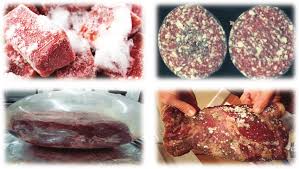
Meats are composed mainly of protein and fats rather than carbohydrates. Water content ranges from 71–76%, so moisture is not an issue except for spoilage microbes on cured meats. Muscles of healthy animals do not contain any bacteria or fungi, but as soon as animals are slaughtered, meat is exposed to contaminants, and good sanitation practices are essential to produce high-quality meats.
The number of spoilage organisms on meat just after slaughter is a critical factor in determining its shelf life. The surface of beef carcasses may contain anywhere from 10¹ to 10⁷ cfu/cm², most of which are psychrotrophic bacteria. Chopping and grinding of meats can increase the microbial load as more surface area is exposed and more water and nutrients become available for microbial growth.
Read Also: Are Snakes Good or Bad and What Do Snakes Eat? Find Out
Microbial Dynamics in Fresh Meat Spoilage
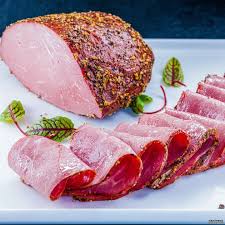
A large variety of microbes are commonly found on fresh meat, but different microbes become dominant during spoilage of different meats depending on pH, composition, texture of processed meats, temperature, and packaging atmosphere. Pseudomonas spp. is the predominant spoilage bacteria in aerobically stored raw meat and poultry.
Once the initial low levels of glucose are depleted by various microbes, Pseudomonas has an advantage because it can catabolize gluconates and amino acids more readily than other microbes. Breakdown of these compounds results in the production of malodorous sulfides, ammonia, and amines, including the biogenic amines, putrescine and cadaverine.
Dark, firm, and dry meat with a relatively high pH of 6.0 spoils more rapidly because deamination of amino acids starts earlier. Shewanella putrefaciens does not grow on meat at pH < 6.0 but can produce sulfides and ammonia even when glucose is still available.
These sulfides not only smell bad but also cause color changes in meat, and therefore Shewanella has a high spoilage potential on fresh, high pH meats stored aerobically even when it is not a dominant microbe. Brochothrix thermosphacta is often a significant spoilage organism on fresh meat stored aerobically at refrigeration temperatures.
Enterobacteriaceae, particularly species of Serratia, Enterobacter, and Hafnia, are major causes of spoilage in vacuum-packed, high pH fresh meats. These organisms are facultative anaerobes that produce organic acids, hydrogen sulfide, and greening of meats.
Lactic acid bacteria (LAB) grow on meat and poultry packaged under vacuum and modified atmospheres, producing organic acids from glucose by fermentation. This gives rise to aciduric off-odors, which may be accompanied by gas and slime formation and greening of meat.
However, LAB is weakly proteolytic and so does not produce large amounts of amines or sulfides, and spoilage of meat by LAB is not as offensive. Psychrophilic, anaerobic Clostridium species are associated with spoilage of vacuum-packaged meats.
Blown pack meat spoilage is characterized by excessive gas formation with off-odors due to the formation of butyric acid, butanol, and sulfurous compounds. Yeasts and molds grow relatively slowly on fresh meat and do not compete well with bacteria; hence, they are a minor component of spoilage flora.
Read Also: The Comprehensive List of 5 Minute Crafts for Adults and Children
Spoilage Dynamics in Processed Meats

Addition of sodium chloride, nitrites and/or nitrates, along with various other seasonings, emulsifiers, and preservatives to ground or whole muscle meats changes the environment significantly and also the spoilage flora of processed meats. Dried and dry-fermented meats generally do not support microbial growth, although process deviations may allow growth of some organisms.
Spoilage organisms can grow on fresh and cooked cured meats, so they are best stored chilled, under a vacuum or modified atmosphere. Pseudomonas spp. are not usually important causes of spoilage in processed meats because of their sensitivity to curing salts and heat pasteurization and their inability to grow well in meats packed with a vacuum or high carbon dioxide atmosphere.
But these bacteria may spoil refrigerated processed meats when packages have been opened and there has been insufficient curing. Some cold and salt-tolerant Enterobacteriaceae have been found to cause spoilage in some specific processed meats, such as ham or bacon. Lactic acid bacteria (LAB) are the group of bacteria primarily associated with spoilage of processed meats.
They produce sour off-flavors, gas, slime, and greening, and this spoilage may be more severe than in fresh meat because of the presence of added carbohydrates. Competitive ability of different LAB strains is related to pH and water activity of the meat, cooking and storage temperatures, and oxygen and carbon dioxide levels. Spore formers (Clostridium and Bacillus spp.) are usually not a spoilage problem in processed meats because of the presence of nitrite and other curing salts.
But faulty cooking/cooling procedures, including long cooling periods and temperature abuse, have allowed the growth of these organisms in some cases. Spores of these organisms may be introduced with spices or other ingredients.
Yeasts cause some spoilage in processed meats but are generally only important when sulfite is used as a preservative or when meats have been irradiated or stored aerobically in the cold. In some sausages, slime may be produced along with vinegary or malty off-odors.
Contamination and Spoilage in Milk and Milk Products
Milk secreted from an uninfected animal’s udder is sterile. It becomes contaminated during milking, cooling, and/or storage. It is an excellent medium for the growth of bacteria, yeasts, and molds that are the common contaminants of any food material.
Their rapid growth, particularly at high ambient temperatures, can spoil the milk for liquid consumption and for manufacturing dairy products.
Frequently Asked Questions (FAQs) About Meat and Milk Spoilage
1. What are the main factors contributing to meat spoilage?
Meat spoilage is influenced by the number of spoilage organisms present after slaughter, pH, composition, texture, temperature, and packaging atmosphere. High microbial loads, especially psychrotrophic bacteria like Pseudomonas spp., and improper storage conditions accelerate spoilage.
2. Why does fresh meat spoil faster than processed meat?
Fresh meat has higher water content and exposed surfaces, making it more susceptible to microbial growth. Processed meats contain curing agents like sodium chloride and nitrites, which inhibit microbial growth, and are often stored under vacuum or modified atmospheres.
3. Which bacteria are primarily responsible for fresh meat spoilage?
Pseudomonas spp. dominate in aerobically stored raw meat and poultry, while Shewanella putrefaciens and Brochothrix thermosphacta contribute to spoilage in high pH meats. Enterobacteriaceae and lactic acid bacteria (LAB) are significant in vacuum-packed meats.
4. How do lactic acid bacteria (LAB) affect meat spoilage?
LAB produce organic acids from glucose fermentation in vacuum-packed or modified atmosphere meats, leading to sour off-odors, gas, slime, and greening. Their spoilage is less offensive than other microbes because they produce fewer amines and sulfides.
5. What causes “blown pack” spoilage in vacuum-packaged meats?
“Blown pack” spoilage is caused by psychrophilic, anaerobic Clostridium species, resulting in excessive gas formation and off-odors from butyric acid, butanol, and sulfurous compounds.
6. Why is milk prone to spoilage despite being sterile when secreted?
Milk becomes contaminated during milking, cooling, or storage. Its nutrient-rich composition supports rapid growth of bacteria, yeasts, and molds, especially at high ambient temperatures, leading to spoilage for liquid consumption or dairy product manufacturing.
7. How do curing agents affect microbial growth in processed meats?
Curing agents like sodium chloride, nitrites, and nitrates create an environment that inhibits microbial growth, particularly for Pseudomonas spp. However, cold and salt-tolerant Enterobacteriaceae and LAB can still cause spoilage if curing is insufficient or storage conditions are improper.
8. Why are yeasts and molds less significant in meat spoilage?
Yeasts and molds grow slowly on fresh meat and do not compete well with bacteria. They are minor contributors to spoilage flora, except in specific cases like processed meats with sulfite preservatives or those stored aerobically in cold conditions.
Do you have any questions, suggestions, or contributions? If so, please feel free to use the comment box below to share your thoughts. We also encourage you to kindly share this information with others who might benefit from it. Since we can’t reach everyone at once, we truly appreciate your help in spreading the word. Thank you so much for your support and for sharing!