


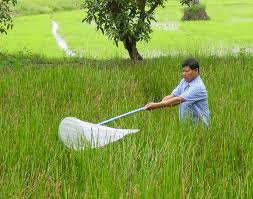
Pest control refers to the regulation or management of species defined as pests, usually because they are perceived to be detrimental to human health, the ecology, or the economy. The most frequent pest problems, for instance in a restaurant, come from rats, mice, flies, and cockroaches.
A good pest control program uses both environmental sanitation and chemical or physical barrier control. Control for rats and mice begins with disposing of garbage in a sanitary manner.
Effective Pest Control Strategies
Rodents, cockroaches, and flies are always seeking access to food in homes and other materials in factories. Removing trash and keeping storage areas clean will eliminate hiding places. Rodents can be killed with poison or traps. Slow-killing poisons are better because they allow rodents to leave the premises before they die.
Rodent-proofing the building consists of ensuring that doors are tightly closed. Windows less than three feet from the ground are fitted with extended wire netting. Concrete, rather than wooden basements at the ground floor, is better. All holes within the foundation areas are covered with hard concrete.
Read Also: Milk Processing and Storage Methods
Pest Control in Residential Settings
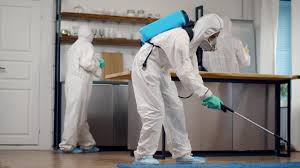
To control rodents in residential areas, begin with controlling flies, cockroaches, and rats and eliminating their breeding places. This entails not allowing food to accrue and spoil and removing garbage quickly. Screens help keep flies out.
Sprays, insecticides, and poisons eliminate flies, but their use should be monitored carefully to ensure that food is not affected by them. An electric fly catcher draws flies to an electric element, which kills them.
Cockroaches need moisture to survive. Most commonly, they enter an operation from deliveries. Hence, crates and boxes should be inspected and disposed of as soon as possible.
Frequent cleaning will reduce the number of new cockroaches. Once their hiding places are known, a qualified exterminator can lay poison to kill them all.
Pest Control in Office Environments
The same approach as in the home is applied in controlling pests in the office. The only difference is that direct food items may not be available in the office. Cockroaches and rats find their place in bookshelves, drawers, and file racks.
In general, the following practices will help in solving the problem of rodents in offices:
- Use a reputable supplier of chemical and poison suppliers for killing rodents.
- Dispose of garbage properly and promptly.
- Store all foods and supplies properly.
- Dispose of mop and cleaning water properly, and mop up spilled water at once.
- Clean and sanitize the operation thoroughly.
Chemicals in Agricultural Pest Control
In the 20th century, the discovery of several synthetic insecticides, such as DDT, and herbicides boosted the development of pest control items. However, chemical pest control is still the predominant type of pest control in current usage.
Pest control is at least as old as agriculture, as there has always been a need to keep crops free from pests. To maximize food production, it is advantageous to protect crops from competing species of plants, as well as from herbivores competing with humans. Chemicals and gadgets used in killing pests include special industrial chemicals, poisons, and traps.
Read Also: Milk Processing and Storage Methods
Common Pests in Agricultural Settings
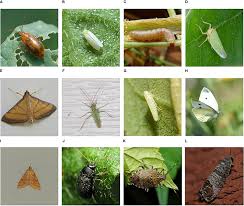
It has been mentioned that the most common pests in our environment are rats, rabbits, cockroaches, and flies. Many pests have only become a problem because of the direct actions of humans. Modifying these actions can often sub
stantially reduce the pest problem. Sometimes pests cause a nuisance by tearing open refuse sacks. Many householders introduced bins with locking lids, which deterred rodents from attacking garbage bins.
House flies tend to accumulate wherever there is garbage, and this is a global phenomenon, especially where food or food waste is exposed.
Challenges in Pest Control Implementation
Some of the problems inherent in pest control include:
- Inability to procure the right chemicals for attacking pests.
- Danger of getting human food contaminated with rodent poisons. In some instances, people have been found to die as a result of careless food poisoning.
- Peasant farmers in rural areas cannot afford to purchase pest control chemicals.
- Even where local farmers are willing to obtain the chemicals, they may not be available for procurement.
Government Role in Supporting Pest Control
In the developed world, the government plays a prominent role in pest control. It makes available chemicals for pest control either free of charge or by heavily subsidizing procurement.
Government effort in pest control dates back to the 1840s when the United States started encouraging the development of sulfur compounds as insecticides. It also assisted in recommending the use of poisonous plants for pest control.
It was only with the industrialization and mechanization of agriculture in the 18th and 19th centuries, and the introduction of the insecticides pyrethrum and derris, that chemical pest control became widespread.
Legislation Supporting Pest Control
Governments worldwide have not taken significant interest in enacting laws about pest control. The effort ends in ensuring that homes, offices, and factories embark on proper waste management and drainage of still water to eliminate the breeding ground of many pests.
Garbage provides food and shelter for many unwanted organisms, as well as an area where still water might collect and be used as a breeding ground by mosquitoes. Communities that have proper garbage collection and disposal have far less of a problem with rats, cockroaches, mosquitoes, flies, and other pests than those that do not.
Open-air sewers are ample breeding grounds for various pests as well. By building and maintaining a proper sewer system, this problem is eliminated.
Significance of Pest Control in Agriculture
Apart from the fact that pest control helps to preserve homes, offices, and factories, making them free from rodents, flies, cockroaches, etc., there is the fact that the absence of pests makes life safe for humans. There will be no danger of getting food poisoned by bacteria and other forms of germs.
Pest control is as old as agriculture itself, and there has always been a need to keep crops free from pests. To maximize food production, it is advantageous to protect crops from competing species of plants, as well as from herbivores competing with humans.
Do you have any questions, suggestions, or contributions? If so, please feel free to use the comment box below to share your thoughts. We also encourage you to kindly share this information with others who might benefit from it. Since we can’t reach everyone at once, we truly appreciate your help in spreading the word. Thank you so much for your support and for sharing!