



Sewage or wastewater includes all material that flows from household plumbing systems, encompassing washing and bathing water, toilet wastes, and other contributions from business and industrial wastes.
In many cities, storm water runoff that flows into street drains enters the system as well. The lack of adequate sanitation and the indiscriminate flow of sewage or wastewater pose a staggering problem for humans.
Sewage Contamination in Surface Waters
Contamination of surface waters by faecal viruses from sewage systems represents only one dimension of the pollution problem. Accompanying faeces and faecal viruses in sewage discharge are a cocktail of pollutants, including heavy metal chemicals, pharmaceuticals, and pathogens.
Like faecal viruses, these chemicals serve as indicators of sewage contamination. Sewage contamination of surface waters is widely recognized as a global threat to public health, wildlife, and natural habitats.
For this reason, wastewater must be treated before discharge since pathogenic microbes can be transmitted through it. If untreated sewage is released into a river or lake used as a source of drinking water, disease can easily spread.
Similarly, if marine waters become contaminated, eating local shellfish can result in disease. Plants and wildlife living in or around contaminated water often accumulate toxins and pathogens found in sewage. Heavy metal occurrence in predatory fish is associated with an increase in sewage pollution in those waters.
Pathogens found in sewage pollution have been shown to cause widespread disease in humans. Because sewage contamination is a global threat occurring in most areas where humans live, and nature is often nearby, it also globally threatens natural habitats and biodiversity.
Health Impacts of Sewage Exposure
Exposure to sewage occurs through hand-to-mouth contact during eating, drinking, and smoking, or by wiping the face with contaminated hands or gloves. Exposure can also occur through skin contact via cuts, scratches, or penetrating wounds, and from discarded hypodermic needles.
Certain organisms can enter the body through the surfaces of the eyes, nose, and mouth or by inhalation as dust, aerosol, or mist. Sewage contains bacteria, fungi, parasites, and viruses that can cause intestinal, lung, and other infections. Bacteria may cause diarrhea, fever, cramps, and sometimes vomiting, headache, weakness, or loss of appetite.
Some bacteria and diseases carried by sewage include E. coli, shigellosis, typhoid fever, salmonella, and cholera. Fungi such as Aspergillus and other fungi often grow in compost, leading to allergic symptoms (such as runny nose) and sometimes lung infections or worsening asthma.
Parasites, including Cryptosporidium and Giardia lamblia, may cause diarrhea, stomach cramps, nausea, or slight fever. Most people have no symptoms of roundworm (Ascariasis), but roundworms can cause coughing, trouble breathing, pain in the belly, and blocked intestines.
Viruses such as Hepatitis A cause liver disease, with symptoms including tiredness, belly pain, nausea, jaundice (yellow skin), diarrhea, or loss of appetite.
Read Also: How to determine if your Housing is Conducive for your Fishes
Characteristics and Composition of Sewage

Typical public sewage contains oxygen-demanding materials, sediments, grease, oil, scum, pathogenic bacteria, viruses, salts, algal nutrients, pesticides, refractory organic compounds, heavy metals, and an astonishing variety of refuse ranging from children’s socks to sponges.
Several characteristics used to describe sewage include turbidity, suspended solids, total dissolved solids, acidity, and dissolved oxygen (in ppm O₂). Biochemical oxygen demand serves as a measure of oxygen-demanding substances.
Current processes for the treatment of wastewater can be divided into three main categories: primary treatment, secondary treatment, and tertiary treatment.
Primary Wastewater Treatment Processes
Primary treatment of wastewater consists of the removal of insoluble matter such as grit, grease, and scum from water. The first step in primary treatment normally involves screening to remove or reduce the size of trash and large solids that enter the sewage system.
These solids are collected on screens and scraped off for subsequent disposal. Comminuting devices shred and grind solids in the sewage. Particle size can be reduced to the extent that the particles can be returned to the sewage flow. Grit in wastewater consists of materials such as sand and coffee grounds that do not biodegrade well and generally have a high settling velocity.
Grit removal is practiced to prevent its accumulation in other parts of the treatment system, reduce clogging of pipes and other parts, and protect moving parts from abrasion and wear. Grit normally is allowed to settle in a tank under conditions of low flow velocity and is then scraped mechanically from the bottom of the tank.
Primary sedimentation removes both settleable and floatable solids. During primary sedimentation, there is a tendency for flocculent particles to aggregate for better settling, a process that may be aided by the addition of chemicals.
The material that floats in the primary settling basin is known collectively as grease, consisting of fatty substances, oils, waxes, free fatty acids, and insoluble soaps containing calcium and magnesium. Normally, some of the grease settles with the sludge, and some floats to the surface, where it can be removed by a skimming device.
Read Also: How many plots of land do I need to start fish farming?
Secondary Wastewater Treatment by Biological Processes
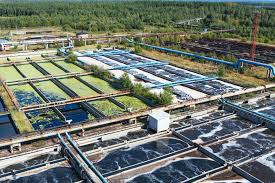
Secondary wastewater treatment is designed to remove BOD (biological oxygen demand), usually by leveraging biological processes that would otherwise consume oxygen in water receiving the wastewater.
Secondary treatment by biological processes takes many forms but consists basically of the action of microorganisms provided with added oxygen degrading organic material in solution or suspension until the BOD of the waste has been reduced to acceptable levels.
The waste is oxidized biologically under conditions controlled for optimum bacterial growth and at a site where this growth does not influence the environment.
Tertiary Wastewater Treatment and Advanced Processes
Tertiary wastewater treatment, or advanced wastewater treatment, describes a variety of processes performed on the effluent from secondary wastewater treatment.
The contaminants removed by tertiary wastewater treatment fall into three general categories: suspended solids, dissolved organic compounds, and dissolved inorganic materials, including the important class of algal nutrients.
Each of these categories presents its own problems with regard to water quality. Suspended solids are primarily responsible for residual biological oxygen demand in secondary sewage effluent waters.
Dissolved organic compounds are the most hazardous from the standpoint of potential toxicity. The major problem with dissolved inorganic materials is presented by algal nutrients, primarily nitrates and phosphates, and potentially hazardous toxic metals may be found among the dissolved inorganics.
Frequently Asked Questions (FAQs) About Sewage Contamination and Treatment
1. What constitutes sewage, and why is it a concern?
Sewage includes wastewater from household plumbing, such as washing, bathing, and toilet wastes, as well as business and industrial wastes and storm water runoff. It poses a concern due to its potential to contaminate surface waters with pathogens, heavy metals, pharmaceuticals, and other pollutants, threatening public health, wildlife, and natural habitats.
2. How does sewage contamination affect surface waters?
Sewage contamination introduces faecal viruses, pathogens, heavy metals, and pharmaceuticals into surface waters, leading to disease spread through drinking water or shellfish consumption. It also causes accumulation of toxins in plants and wildlife, threatening biodiversity and natural habitats.
3. What health risks are associated with exposure to sewage?
Sewage exposure can cause infections from bacteria (e.g., E. coli, salmonella), fungi (e.g., Aspergillus), parasites (e.g., Cryptosporidium, Giardia), and viruses (e.g., Hepatitis A). Symptoms include diarrhea, fever, cramps, nausea, jaundice, and respiratory issues, depending on the pathogen.
4. How does primary wastewater treatment work?
Primary treatment removes insoluble matter like grit, grease, and scum through screening, comminution, grit removal, and sedimentation. Screens collect large solids, comminuting devices shred solids, grit settles in low-flow tanks, and sedimentation removes settleable and floatable solids, often aided by chemicals.
5. What is the role of secondary wastewater treatment?
Secondary treatment reduces biological oxygen demand (BOD) by using microorganisms with added oxygen to degrade organic material in solution or suspension. This process occurs under controlled conditions to minimize environmental impact and lower BOD to acceptable levels.
6. What does tertiary wastewater treatment target?
Tertiary treatment removes suspended solids, dissolved organic compounds, and dissolved inorganic materials, including algal nutrients like nitrates and phosphates. It addresses residual BOD, potential toxicity from organics, and water quality issues from inorganic nutrients and toxic metals.
7. Why are algal nutrients a problem in sewage-contaminated water?
Algal nutrients, primarily nitrates and phosphates, promote excessive algal growth in water bodies, leading to oxygen depletion and harm to aquatic ecosystems. These nutrients, found in sewage, contribute to water quality degradation and environmental imbalance.
8. How can untreated sewage impact wildlife and biodiversity?
Untreated sewage releases toxins and pathogens that accumulate in plants and wildlife, particularly predatory fish, disrupting ecosystems. This contamination threatens natural habitats and biodiversity by causing disease and altering environmental conditions.
Do you have any questions, suggestions, or contributions? If so, please feel free to use the comment box below to share your thoughts. We also encourage you to kindly share this information with others who might benefit from it. Since we can’t reach everyone at once, we truly appreciate your help in spreading the word. Thank you so much for your support and for sharing!