


Beverages form an integral part of the human diet, from infancy through adulthood, starting with infant formulas and extending to complex drinks rich in key nutrients. These portable liquids, excluding water, range from freshly squeezed juices to chemical-packed energy drinks.
Examples include soft drinks, fruit juice, beer, kunu, and soy milk. This article explores the definition, classification, and health benefits of beverage consumption.
Definition of Beverages
Beverages are defined as any fluid consumed by drinking, apart from water, encompassing a diverse group of liquid food products. These include basic drinks like tea and coffee, as well as commercially available fluids such as fruit beverages, synthetic drinks, alcoholic beverages, and milk.
Despite their varied properties, all beverages share the ability to quench thirst. In simpler terms, beverages are liquids designed or developed for human consumption.
They are rarely consumed for their food value but are vital due to their high water content. Additionally, beverages are potable drinks with thirst-quenching, refreshing, stimulating, and nourishing properties, consumed during social gatherings, rituals, and meals.
Examples include fruit drinks, soft drinks, chocolate drinks, coffee, tea, beer, and whiskey.
Classification Criteria for Beverages
Beverages can be classified based on various criteria, including:
- Natural and Synthetic (based on ingredients used in manufacture)
- Carbonated and Non-carbonated (based on degree of mechanical carbonation)
- Alcoholic and Non-alcoholic (based on presence or absence of alcohol)
- Hot and Cold (based on serving temperature)
- Stimulating and Non-stimulating (based on physiological effect)
Classification Based on Ingredients and Carbonation
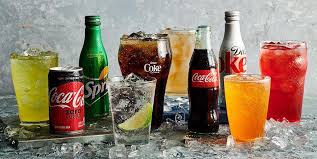
1. Natural and Synthetic Beverages
i. Natural Beverages: These are prepared from naturally derived ingredients, such as fruit juices, milk, malt, sugar, acid, flavoring, and coloring materials. Examples include fruit-based beverages, malt beverages, and dairy beverages.
ii. Synthetic Beverages: These are analogs of natural beverages, containing synthetically prepared ingredients like flavoring and coloring materials. Developed to offer affordable pleasure, synthetic beverages primarily include soft drinks with flavored sugar syrup as the base, which may or may not be carbonated. Artificial sweetener-based beverages, designed to reduce calorific value, also fall into this category.
2. Classification Based on Degree of Mechanical Carbonation
1. Carbonated Beverages: These contain dissolved carbon dioxide, creating bubbles and fizz upon pressure release. Commonly referred to as “soft drinks,” examples include cola and lemonade. Fermentation also produces carbon dioxide in beverages like beer. Carbonation enhances the fizzy sensation and alters taste due to dissolved carbonic acid. Soda water, sometimes flavored, is another popular carbonated beverage.
2. Non-carbonated Beverages: This category includes most fruit and dairy-based beverages, as well as hot beverages and non-carbonated alcoholic drinks. Examples include fruit drinks, squashes, coffee, and tea.
Classification Based on Presence or Absence of Alcohol
1. Alcoholic Beverages
Alcoholic beverages contain ethyl alcohol, consumed for intoxicating and mind-altering effects, and are produced through natural or controlled fermentation. They are classified into three major groups based on raw materials and process technology:
i. Beer: The world’s third most consumed beverage, beer is prepared by fermenting “wort” (soluble liquid of barley malt digest) with yeast to achieve an alcohol content of 4–8%.
Characterized by effervescence (foam from carbon dioxide) and bitterness from hops (Humulus lupulus), beer includes variants like lager (fermented by bottom yeast, Saccharomyces pastorianus, at 7–12°C for longer periods) and ale (fermented by top yeast, Saccharomyces cerevisiae, at 18–25°C).
ii. Wine: Made from fruits like grapes, peaches, plums, or apricots, with grapes being the most common, wine is produced by fermenting macerated fruit juice with yeasts (Saccharomyces spp., Pichia spp., Stellata spp.) and lactic acid bacteria. Fermentation is longer than for beer, and wines are often aged for months to years to develop sensory characteristics.
White wine (from green grapes) and red wine (from red or blue grapes, containing anthocyanin) are the main types, with red wine undergoing malolactic fermentation to mellow flavor. Alcohol content ranges from 9–16% (v/v). Sparkling wines, like Champagne, are characterized by effervescence and clarity.
iii. Spirits: Unsweetened and produced by distilling a fermented base (e.g., molasses, fruit juices, cereal extract, or combined substrates), spirits have a high alcohol content, sometimes reaching 20%.
Classification Based on Serving Temperature

Beverages are also classified by serving temperature. Hot beverages, served above 65–70°C, include tea, coffee, chocolate, and milk. Cold beverages, served chilled, include iced tea, cold coffee, most fruit beverages, dairy drinks, alcoholic drinks, and soft drinks.
Classification Based on Physiological Effects
Beverages are categorized into three groups based on their physiological effects:
1. Nourishing Beverages: Rich in carbohydrates, proteins, and fats, these drinks have high food value. Examples include cocoa drinks, egg drinks, and milk, recommended for children and nursing mothers.
2. Refreshing Beverages: These include commercial carbonated drinks, fruit, and vegetable juices, typically served cold.
3. Stimulating Beverages: These stimulate the nervous and circulatory systems due to compounds like caffeine (in coffee and tea), phenolic compounds (in herbal drinks), and ethyl alcohol (in alcoholic beverages).
Effects include increased basic metabolic rate, enhanced blood circulation and heart rate, central nervous system stimulation, diuretic effects, and increased gastric juice secretion.
Additional Classification and Health Benefits of Beverages
1. Other Classification Bases
i. Herbal Drinks: Prepared by infusing herbs in water, these drinks use herbs like aloe vera, ginseng, garlic, ginger, lemongrass, and scent leaf as base materials.
ii. Mood and Energy Drinks: Energy drinks, which boost energy through sugar and caffeine, have seen rapid demand growth. Some also contain B vitamins and amino acids.
iii. Sports Drinks: Also called electrolyte drinks, these are designed to replenish fluids, electrolytes, and energy during exercise. They contain monosaccharides (e.g., dextrose, glucose syrup), sucrose, and maltodextrin for quick energy delivery to muscle cells.
Health Importance of Beverage Consumption
Beverages are essential for growth, development, and physiological processes critical for a healthy life. Water, constituting 70% of body weight, 73% of lean muscle, 25% of adipose tissue, 22% of bone, and 80% of blood, is maintained through beverage consumption, preventing dehydration.
Water in beverages aids digestion, assimilation, and excretion of food, removes metabolic toxins (e.g., urea, uric acid, ammonia) via the kidneys, and regulates body temperature through sweating.
Fruit and vegetable-based beverages provide micronutrients (vitamins, minerals) and antioxidants (carotenoids, flavonoids). Milk beverages supply calcium for strong bones and teeth.
Tea and coffee, containing alkaloids, stimulate the central nervous system. Alcoholic beverages, particularly wine, are recognized for heart health due to flavonoids.
Fermented dairy beverages support gastrointestinal health through beneficial microflora. Energy drinks provide carbohydrates, caffeine, B vitamins, and amino acids for energy enhancement.