


Okazi leaves, also known as afang leaves, are a popular vegetable in West African cuisine, particularly in Nigeria and Cameroon. The scientific name for okazi leaves is Gnetum africanum, and they belong to the family Gnetaceae.
The leaves are dark green and glossy, with a slightly bitter taste. They are used in soups and stews and are often combined with other vegetables, such as spinach or kale. In addition to their culinary uses, okazi leaves are also used for medicinal purposes, particularly for their anti-inflammatory properties.
Okazi leaves are a good source of vitamins and minerals, including vitamin A, vitamin C, calcium, and iron. They also contain antioxidants and are low in calories, making them a healthy addition to any diet. However, it is important to note that the leaves contain oxalates, which can interfere with calcium absorption in the body, so they should be consumed in moderation.
In addition, okazi leaves are a versatile and nutritious ingredient that adds a unique flavor to many dishes in West African cuisine.
Read Also: How to Make Neem Insecticide from Neem Leaves (Dogoyaro)
Description of Okazi Leaves
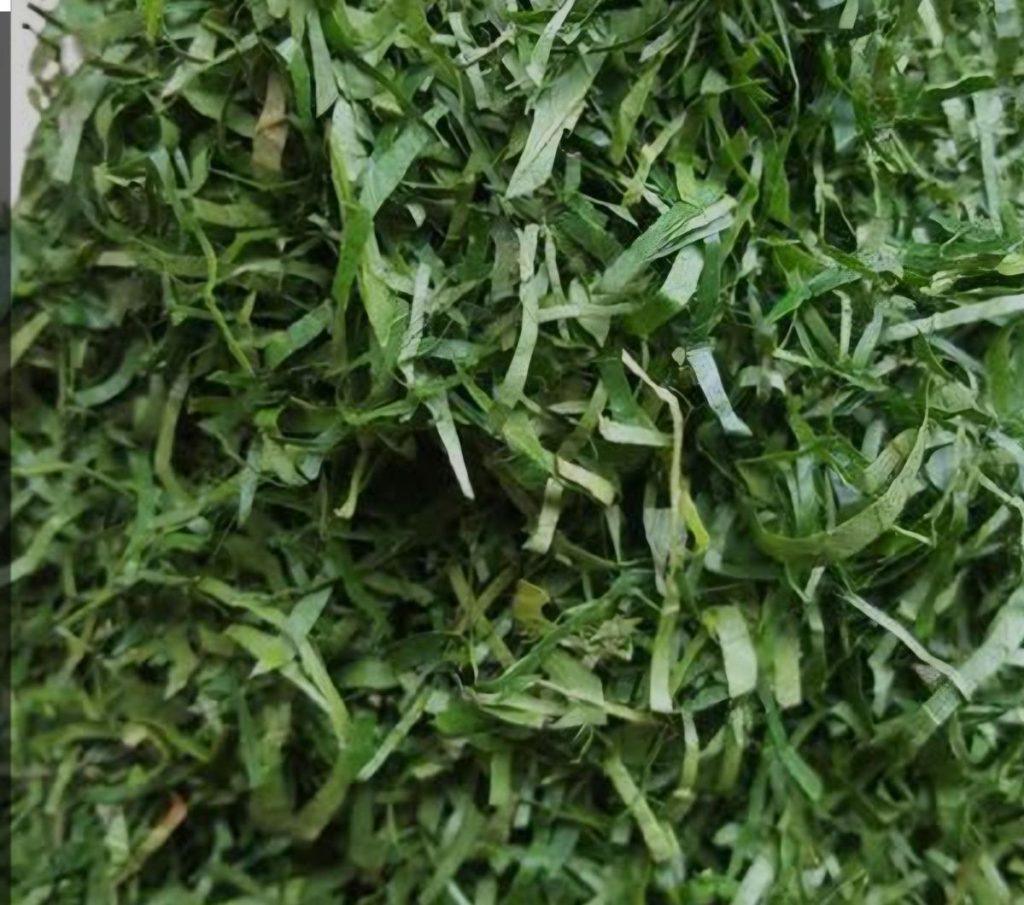
Okazi leaves are usually harvested by hand, and then washed and dried before being sold in markets or used in cooking. They are a popular ingredient in West African cuisine, particularly in Nigeria and Cameroon, where they are used to make soups and stews. The leaves are often combined with other vegetables, such as spinach or kale, to create a flavorful and nutritious dish.
In addition to their culinary uses, okazi leaves are also used for medicinal purposes in some cultures. They are believed to have anti-inflammatory properties and are used to treat a variety of ailments, including arthritis and respiratory infections.
Overall, okazi leaves are a versatile and nutrient-rich ingredient that adds a unique flavor and texture to many dishes. They are a great source of vitamins and minerals, but should be consumed in moderation due to their oxalate content.
Health Benefits of Okazi Leaves
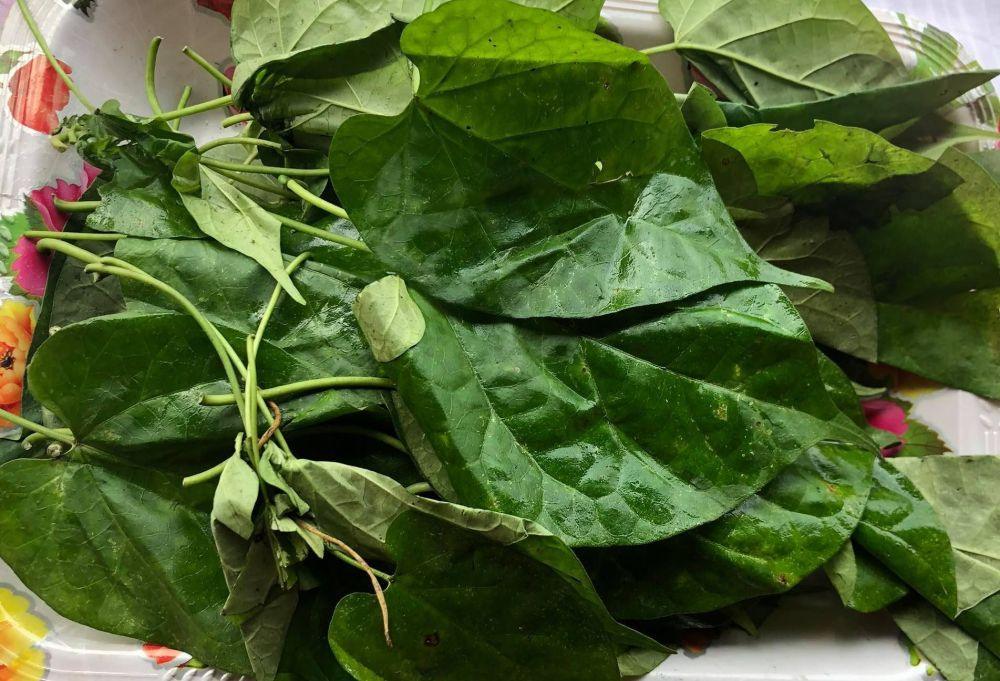
Improves digestion: Okazi leaves are rich in fiber which helps in digestion and prevents constipation.
Lowers cholesterol levels: The high fiber content in Okazi leaves helps to reduce bad cholesterol levels and improve heart health.
Promotes weight loss: Okazi leaves are low in calories and high in fiber which makes them an excellent addition to a weight loss diet.
Reduces inflammation: Okazi leaves contain antioxidants that help to reduce inflammation and prevent chronic diseases.
Regulates blood sugar levels: Okazi leaves have a low glycemic index and contain compounds that help to regulate blood sugar levels.
Boosts immune system: Okazi leaves contain antioxidants, vitamins, and minerals that help to boost the immune system and protect against diseases.
Prevents anemia: Okazi leaves are a good source of iron, which is essential for the production of red blood cells and prevention of anemia.
Strengthens bones: Okazi leaves are a good source of calcium and other minerals that are essential for bone health and strength.
Improves vision: Okazi leaves contain vitamin A which is important for maintaining healthy eyesight.
Protects against cancer: Okazi leaves contain antioxidants that help to protect against cancer and other chronic diseases.
Promotes healthy skin: Okazi leaves contain vitamins and minerals that promote healthy skin and prevent skin diseases.
Improves brain function: Okazi leaves contain nutrients that improve brain function and prevent cognitive decline.
Reduces stress: Okazi leaves contain compounds that help to reduce stress and promote relaxation.
Lowers blood pressure: Okazi leaves contain compounds that help to lower blood pressure and prevent hypertension.
Prevents kidney stones: Okazi leaves contain compounds that prevent the formation of kidney stones.
Improves respiratory health: Okazi leaves contain compounds that improve respiratory health and prevent respiratory diseases.
Boosts energy levels: Okazi leaves contain nutrients that boost energy levels and reduce fatigue.
Promotes healthy hair: Okazi leaves contain vitamins and minerals that promote healthy hair and prevent hair loss.
Prevents cardiovascular diseases: Okazi leaves contain antioxidants and other compounds that help to prevent cardiovascular diseases such as heart attack and stroke.
Uses of Okazi
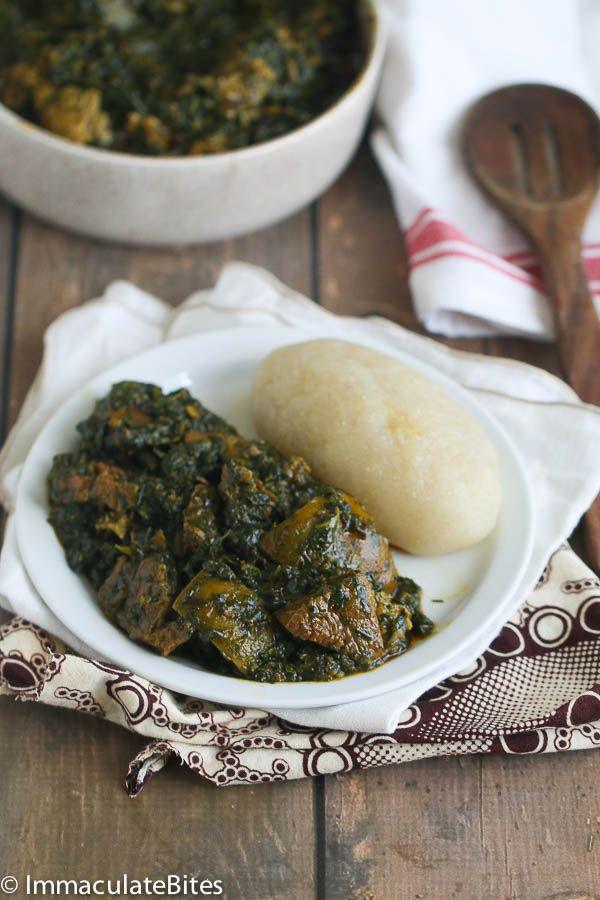
Culinary uses: Okazi leaves are used as a vegetable in soups and stews in West and Central African cuisine. They have a slightly bitter taste and add a unique flavor to dishes.
Medicinal uses: Okazi leaves have been used in traditional medicine to treat a variety of ailments such as cough, fever, and stomach pain. They are also believed to have antibacterial and antifungal properties.
Nutritional uses: Okazi leaves are highly nutritious and can be used as a source of vitamins, minerals, and fiber. They can be added to smoothies, salads, and other dishes for a nutritional boost.
Herbal tea: Okazi leaves can be boiled to make a tea that is believed to have health benefits such as reducing inflammation and boosting the immune system.
Beauty uses: Okazi leaves can be used as a natural remedy for hair and skin care. They are believed to promote healthy hair growth and prevent skin diseases.
Traditional ceremonies: Okazi leaves are also used in traditional ceremonies and rituals in some African cultures. They are believed to have spiritual significance and are used as an offering or decoration.
Overall, Okazi leaves have a variety of uses and are a versatile ingredient in African cuisine and traditional medicine.
Read Also: Processing and Consumption of Snail Meat
Nutritional Value of Okazi Leaves
Fiber: Okazi leaves are high in fiber, which helps to improve digestion and prevent constipation.
Protein: Okazi leaves contain protein which is essential for building and repairing body tissues.
Vitamins: Okazi leaves are a good source of vitamins such as vitamin A, vitamin C, and vitamin E. Vitamin A is important for maintaining healthy eyesight, while vitamin C and E are antioxidants that protect against oxidative damage.
Minerals: Okazi leaves are a good source of minerals such as calcium, iron, and potassium. Calcium is important for bone health, while iron is essential for the production of red blood cells and prevention of anemia. Potassium helps to regulate blood pressure and prevent hypertension.
Antioxidants: Okazi leaves contain antioxidants such as flavonoids and phenolic compounds that protect against oxidative damage and reduce the risk of chronic diseases.
Low in calories: Okazi leaves are low in calories, making them a great addition to a weight loss diet.
Overall, Okazi leaves are a highly nutritious food that can provide a variety of health benefits. They are a good source of fiber, protein, vitamins, minerals, and antioxidants, making them a great addition to a healthy diet.
Scientific Evidence and Case Studies on Okazi Leaves
1. Antioxidant enhancement through cooking: Decoction of Okazi leaves increases total antioxidant capacity while retaining most proximates, vitamins, phytochemicals, and chlorophyll, supporting management of oxidative stress-related diseases.
2. High nutrient and mineral retention: Leaves show significant proximates (protein, fiber), minerals (Ca, Fe, Mg, K, Zn), and absence of toxic metals (Cr, Pb), with cooking minimally affecting key nutrients but boosting some minerals and antioxidant potency.
3. Phytochemical and proximate benefits: Rich in bioactive compounds like flavonoids, phenolic compounds, and high fiber/protein levels justify traditional medicinal uses for anti-inflammatory, antimicrobial, and digestive support.
4. Potential for anemia and blood health: Iron-rich content and studies on related extracts suggest promotion of red blood cell production and hemoglobin levels, aiding anemia prevention and treatment.
5. Environmental influence on nutrition: Forest-sourced leaves are enriched in key minerals (e.g., Ca ~392 mg/100g, K ~796 mg/100g), while garden samples show higher protein, vitamins A/C, and iron, indicating variable but consistently high nutritional value.
Nutritional Value Of Okazi Leaves
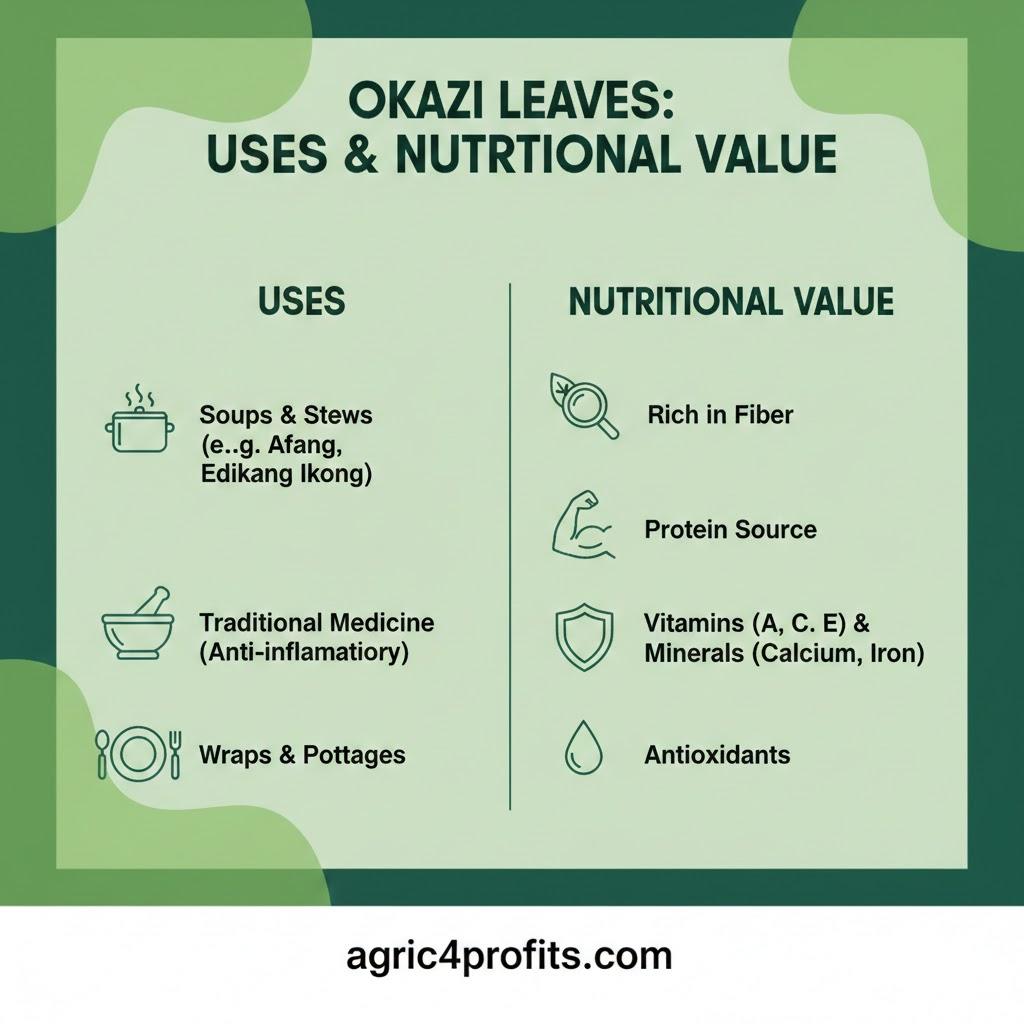
Okazi leaves (Gnetum africanum, also afang) are nutrient-dense (approximate values per 100g dry weight from studies):
1. Crude protein: 13-29% (often 20-24%), providing essential amino acids for tissue repair, growth, and as an alternative energy source.
2. Dietary fiber: High at 7-37% (often 28-37%), supporting digestion, satiety, constipation prevention, and gut health.
3. Carbohydrates: Around 44-78% (NFE), offering energy with low glycemic impact for blood sugar regulation.
4. Vitamin C: Significant (up to 71 mg/100g in some samples), boosting immunity, antioxidant protection, and collagen synthesis.
5. Vitamin A (carotenoids): Around 250-658 mg/100g equivalents, aiding vision, skin health, and immune function.
6. Minerals (iron, calcium, potassium): Iron (up to 36 mg/100g), calcium (up to 392 mg/100g), potassium (up to 796 mg/100g), plus Mg, Zn, Na for blood health, bones, blood pressure, and metabolism.
7. Low calories and fats: Low energy (around 241-329 kcal/100g dry), minimal fat (2-4%), high in antioxidants (flavonoids, phenolics) for cellular protection.
Summary of Okazi Leaves
| Aspect | Description |
|---|---|
| What are Okazi Leaves | Dark green, glossy, oblong/lance-shaped leaves (up to 30cm long) from Gnetum africanum (Gnetaceae family), also called Afang (Efik/Ibibio), Ukazi/Okazi (Igbo); chewy, slightly bitter; from tropical rainforest climbing vine in West/Central Africa (Nigeria, Cameroon, Congo, etc.). |
| Nutritional Highlights | High protein (13-29%), fiber (7-37%), vitamins A/C/E, iron, calcium, potassium, magnesium, zinc; antioxidants (flavonoids, phenolics); low calories/fat; supports broad nutrition. |
| Key Health Benefits | Improves digestion/prevents constipation (fiber), lowers cholesterol/heart disease risk, regulates blood sugar (diabetes support), promotes weight loss (satiety), reduces inflammation/oxidative stress, boosts immunity (vitamins/antioxidants), prevents anemia (iron), strengthens bones (Ca/Mg), improves vision/skin/hair, supports brain function/energy, lowers blood pressure, potential anti-cancer/respiratory benefits, aids fertility/reproductive health traditionally. |
| Common Uses | Culinary: In soups/stews (Afang/Okazi soup with waterleaf, egusi, periwinkles), sliced thin; Medicinal: Herbal teas for inflammation/immunity, traditional remedies for cough/fever/stomach pain/arthritis/sore throat/enlarged spleen/nausea; Other: Beauty (skin/hair care), ceremonies (rituals/offerings), preservation (sun-dried/frozen). |
| Preparation Methods | Wash thoroughly, slice thinly, simmer long in soups to soften; boil for tea; blend (if strong blender) for smoothies; eat raw/chewed traditionally but mostly cooked; dry/freeze for storage. |
| Precautions | Contains oxalates (moderate to avoid calcium interference); high fiber may cause bloating if excess; wash/cook well to reduce microbial risks; safe in moderation, including pregnancy/children when prepared properly. |
| Overall | Highly nutritious West African leafy vegetable with traditional culinary/medicinal value; evidence supports antioxidant, nutrient retention, and health-promoting properties for digestion, immunity, heart, and more; versatile and sustainable. |
Frequently Asked Questions About Okazi Leaves
1. What are Okazi leaves also known as?
They are called Afang leaves (Efik/Ibibio), Ukazi or Okazi (Igbo), and scientifically Gnetum africanum; a dark green vegetable from a tropical climbing vine.
2. What are the main nutritional benefits of Okazi leaves?
High in protein, fiber, vitamins A/C/E, iron, calcium, potassium, and antioxidants; supports digestion, immunity, bone health, anemia prevention, and low-calorie nutrition.
3. How do Okazi leaves help with digestion?
High soluble/insoluble fiber prevents constipation, promotes bowel regularity, and supports gut health when included in soups or meals.
4. Is Okazi leaves good for diabetes?
Yes, low glycemic index, fiber, and compounds slow carbohydrate absorption and help regulate blood sugar levels.
5. Can Okazi leaves support weight loss?
Yes, low calories, high fiber promote fullness, reduce appetite, and aid in healthy weight management.
6. How is Okazi leaves prepared in cooking?
Wash, slice thinly due to toughness, add to soups/stews (e.g., Afang soup) and simmer long to soften; can be dried or frozen for storage.
7. Are Okazi leaves safe during pregnancy?
Yes, in moderation; nutrient-rich (iron, calcium, folate) supports maternal/fetal health; no reported risks when cooked properly.
8. Does Okazi leaves have antioxidant properties?
Yes, flavonoids, phenolics, and vitamins provide strong antioxidant effects; cooking can enhance capacity while retaining nutrients.
9. What minerals are prominent in Okazi leaves?
Rich in iron (anemia prevention), calcium/magnesium (bones), potassium (blood pressure), zinc, and others for overall metabolic support.
10. Can Okazi leaves be eaten raw?
Traditionally chewed raw in small amounts, but usually cooked to improve digestibility, reduce microbial risks, and enhance nutrient rele
Do you have any questions, suggestions, or contributions? If so, please feel free to use the comment box below to share your thoughts. We also encourage you to kindly share this information with others who might benefit from it. Since we can’t reach everyone at once, we truly appreciate your help in spreading the word. Thank you very much for your support and for sharing!
Disclaimer: This article is for educational and informational purposes only. The health benefits described are based on scientific research and traditional knowledge. They ayre not a substitute for professional medical advice, diagnosis, or treatment. Always consult a healthcare professional before using any herb or natural remedy for medical purposes.
Read Also: 20 Drinks that Can Transform Your Health