


Spices are common food condiments, which have been used as flavoring, seasoning, and coloring agents and as preservatives all over the world since earliest times, particularly in India, China, and many other southeastern Asian countries.
Spices can be derived from bark, buds, flowers, fruits, leaves, rhizomes, roots, seeds, stigmas, and stem or the intact plant tops of plant. Herb is used as a subset of spice and refers to dried leaves of aromatic plants.
In this article, the uses of spices in the food industry are explored, including their roles as flavoring agents, preservatives, and coloring agents. Spices and their extracts possess preservative and natural antioxidant properties; spice extracts are popular, and certain of them have antibacterial, antifungal, and antiviral activities.
Read Also: 15 Health Benefits of Southwest Spice Blend
Sensory Roles of Spices in Food and Beverages
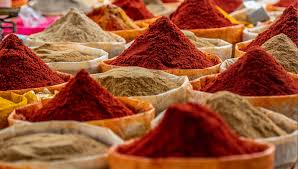
Major uses of spices and herbs in food and beverages include sensory roles such as:
(a) flavoring; (b) coloring; (c) aroma enhancing, antifungal, antibacterial, antioxidant, and nutritional roles.
1. Spices as Flavoring Agents
Flavoring food is one of the most common uses for spices; almost each spice is related to a specific flavor, and they are basic for culinary purposes around the world. Every spice or flavoring contains predominating chemical components that create these sensual qualities.
A spice’s chemical compounds can contribute mild to strong flavors. The balance of these chemical compounds gives a spice its characteristic flavor profile.
Depending on the region, different spices are used for flavoring foods, bringing a distinct flavor to each food style that even gives culinary identity. For example, Mexico is known for the use of flavors from cinnamon, vanilla, dried chilies, and cocoa.
In Nigeria, spices such as ginger, cloves, and nutmegs are used to add unique flavors to foods and drinks such as cakes, bread, kunu, Zobo drink, etc.
Flavors given by spices are due to certain families of chemicals, such as phenylpropanoids, monoterpenes, and other phenol compounds. Some important chemical compounds for the flavoring potential of spices are eugenol, apiol, sufranol, vanillin, piperine, beta caryophyllene, alfa pinene, carvacrol, thymol, sabinene, cinnamaldehyde, and gingerol.
2. Spices as Natural Coloring Agents
People whose diets are largely colorless starches, such as rice or maize, use peppers to add color to their bland, achromatic diets. Paprika, paprika oleoresin, red pepper oleoresin, and dried chili may all serve as a source of red color in various processed products.
Some spices, such as saffron, paprika, turmeric, parsley, and annatto, provide color as well as flavor to foods and beverages. Spices can meet consumers’ demands for “natural” colorings.
The components responsible for the coloring in spices are oil soluble or water soluble. Some typical coloring components in spices are crocin in saffron, carotenoids in paprika, capsanthin in chili pepper, bixin in annatto, or curcumin in turmeric. The overall coloring given by a spice is sometimes a combined effect of two or more of its coloring components.
Antimicrobial Activity of Selected Spices
Food preservation is a main concern nowadays, and most of the existing preservatives are based on synthetic chemicals. The application of some spices as preservatives in food has been evaluated to determine their efficiency since spices are natural sources and offer an opportunity to replace synthetic preservatives in food, such as nitrates, which have been claimed to possess negative effects on human health.
1. Cumin’s Antimicrobial Properties
Cumin (Cuminum cyminum) is a spice traditionally used as an antiseptic agent, and it has powerful antimicrobial activity against different kinds of bacteria, pathogenic, and non-pathogenic fungi for humans.
The cumin essential oil contains cuminaldehyde, β-pinene, p-cymene, and γ-terpinene as major chemical compounds. The main compound of the cumin essential oil is cuminaldehyde, which provides the antimicrobial properties.
The alcoholic extract of cumin has been proven to present significant inhibition of microorganisms, such as Bacillus subtilis, Escherichia coli, and Saccharomyces cerevisiae, with outstanding antimicrobial activity for species such as A. tumefaciens, B. subtilis, Bacillus licheniformis, Pseudomonas oleovorans, Trichophyton rubrum, S. cerevisiae, and Saccharomyces pombe.
The antifungal properties of cumin oil have been proven in recent studies; whole cumin oil inhibits Aspergillus flavus and Aspergillus niger by over 90% when the aldehyde fraction of the oil containing the antimicrobial chemical compound cuminaldehyde was tested.
2. Cloves as a Preservative
Clove (Eugenia caryophyllata) is a common spice used around the world for culinary purposes, but it also possesses different properties that make cloves a potential preservative. Clove essential oil’s main compounds are eugenol and beta caryophyllene; both compounds have antibacterial activity against Escherichia coli, Listeria monocytogenes, Salmonella enterica, Campylobacter jejuni, and Staphylococcus aureus.
The clove essential oil has a high concentration of eugenol of around 88.58%, and it has been proved to have diverse antimicrobial activity. Sensitivity of different bacterial strains to clove essential oil has been tested, and the highest level of sensitivity was observed against five strains of Staphylococcus epidermidis with an inhibition zone greater than 16 mm.
Clove also has fungicidal activity, and its chemical compounds, such as carvacrol and eugenol, are known to possess fungicidal characteristics against Candida albicans and Trichophyton mentagrophytes.
3. Ginger’s Antimicrobial and Antioxidant Effects
Ginger (Zingiber officinale) is a commonly used spice that contains polyphenolic compounds, among them 6-gingerol and its derivatives; these chemical compounds make ginger a potent antioxidant.
Ginger CO2 extracts have been proven to contain high polyphenol content and have been found to have enhanced efficiency as an antioxidant preservative at an earlier stage of fat oxidation.
Ginger has been shown to inhibit the multiplication of colon bacteria and other microorganisms, such as Escherichia coli, Proteus sp., Staphylococci, Streptococci, and Salmonella. Ginger also has antifungal activity against some species, such as Aspergillus.
The phenolic compounds in ginger are denaturing agents that avoid microbial growth by changing the cell permeability, leading to rupture of bacterial cells.
Most of the phenolic compounds are metal chelators and attach to active sites of metabolic enzymes, reducing enzyme activities and bacterial metabolism and reproduction.
4. Cinnamon’s Antimicrobial Capabilities
Cinnamon (Cinnamomum verum) is considered a preservative because it is an effective antimicrobial and antibacterial agent, which can inhibit bacterial growth, especially gram-positive bacteria. Cinnamon oil is composed of different chemicals; among them, the most important are cinnamaldehyde, cinnamyl alcohol, and eugenol.
The antimicrobial capacity of cinnamon has been tested against Staphylococcus aureus, proving its capacity to inhibit S. aureus growth with an optimum inhibiting effort of 0.09%; this result is mainly attributed to the chemical compound in cinnamon called cinnamaldehyde.
Cinnamaldehyde’s inhibition of bacterial growth can be caused by inhibition of the synthesis of cell walls, inhibition of the cell membrane function, inhibition of protein synthesis, or inhibition of the synthesis of nucleic acids.
Read Also: The Health Benefits of Using Accent Seasoning on your Cooking
Antioxidant Properties and Nutritional Benefits of Spices
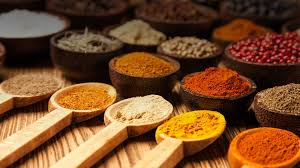
1. Antioxidant Properties of Spices
Antioxidants are added to foods to preserve the lipid components from quality deterioration. Synthetic antioxidants like butylated hydroxyanisole (BHA), butylated hydroxytoluene (BHT), propyl gallate (PG), and tert-butylhydroquinone (TBHQ) are commonly used.
Due to the suspected action of these compounds as promoters of carcinogenesis, there is a growing demand for natural antioxidants. Antioxidants also play a role in defense mechanisms of the body against cardiovascular diseases, cancer, arthritis, asthma, and diabetes.
Many herbs and spices are known as excellent sources of natural antioxidants, and consumption of fresh herbs in the diet may therefore contribute to the daily antioxidant intake.
Antioxidants are useful in health and lowering the risk for cancer, hypertension, and heart disease. The naturally occurring antioxidants of therapeutic plants, such as polyphenols (phenolic diterpenes, diphenolic diterpenes) and flavonoids, show a high capability to donate hydrogen from phenolic hydroxyl groups, thereby forming stable free radicals.
Spices and herbs are an excellent source of phenolic compounds (flavonoids, phenolic acids and alcohols, stilbenes, tocopherols, tocotrienols), ascorbic acid, and carotenoids, which have been reported to exhibit good antioxidant activity.
Spices like kesum (Polygonum minus), ginger (Zingiber officinale), and turmeric (Curcuma longa) extract (without solvent) have good antioxidant activity.
A significant and linear relationship exists between the antioxidant activity and phenolic content of kesum, ginger, and turmeric, thus indicating that phenolic compounds are major contributors to antioxidant activity.
Also, the use of spices such as pepper, cardamom, and turmeric prevents or retards significantly the oxidative degradation, thereby contributing substantially to the preservation of food items. The antioxidant effect of ginger is comparable to BHT, which is a chemical antioxidant used to minimize oxidative rancidity.
2. Nutritional Benefits of Spices
Herbs and spices are also good sources of important nutrients in foods. Black cumin seeds contain noticeable quantities of carbohydrates, proteins, and fats. In addition, potassium, calcium, phosphorus, and magnesium are major minerals, while considerable quantities of sodium, iron, manganese, zinc, and copper are also present.
Black cumin seeds contain 6.46%, 22.80%, 31.16%, 6.03%, and 4.20% of moisture, proteins, fat, fiber, and ash contents, respectively, while nitrogen-free extract was found to be 29.36%.
Mineral composition showed that potassium is leading (808.00 mg/100g), followed by calcium (570 mg/100g), phosphorus (543 mg/100g), and magnesium (265 mg/100g), respectively. Furthermore, significant quantities of sodium, iron, manganese, zinc, and copper were found in the native variety of black cumin seeds.
Oregano is found to be rich in crude fiber (17.43%), total phenol content (87.80 GAE/100g DW), and antioxidant activity (84.80%), which supports its use as a functional food. Peppers are high in vitamin A (red peppers only), vitamin E, and potassium.
One hundred grams of fresh red chili pepper has 240 mg of vitamin C (five times higher than an orange), 11,000 IU of vitamin A, and 0.7 mg of vitamin E. Vitamin C is sensitive to heat and drying, but vitamin A is very stable, and paprika and dried chili both contain relatively high amounts of this important nutrient.
Do you have any questions, suggestions, or contributions? If so, please feel free to use the comment box below to share your thoughts. We also encourage you to kindly share this information with others who might benefit from it. Since we can’t reach everyone at once, we truly appreciate your help in spreading the word. Thank you so much for your support and for sharing!