


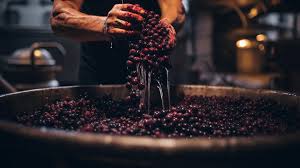
The history of wine spans thousands of years and is closely intertwined with the history of agriculture, cuisine, civilization, and humanity itself. Archaeological evidence suggests that the earliest known wine production occurred in Georgia around 8,000 BC, with other notable sites in Iran and Armenia dated 7,000 BC and 6000 BC respectively.
Evidence of the earliest wine production in Europe was uncovered at archaeological sites in northern Greece (Macedonia), dated to 6,500 years ago. These same sites also contain remnants of the world’s earliest evidence of crushed grapes. In Egypt, wine became a part of recorded history, playing an important role in ancient ceremonial life.
Wine was common in ancient Greece and Rome, and many of the major wine-producing regions of Western Europe today were established with Phoenician and later Roman plantations. Winemaking technology, such as the wine press, improved considerably during the time of the Roman Empire; many grape varieties and cultivation techniques were known, and barrels were developed for storing and shipping wine.
In medieval Europe, following the decline of Rome and its industrial-scale wine production for export, the Christian church became a staunch supporter of the wine necessary for celebration of the Catholic Mass.
Whereas wine was forbidden in medieval Islamic cultures, its use in Christian libation was widely tolerated. Wine production gradually increased, and its consumption became popularized from the 15th century onwards, eventually establishing growing regions throughout the world.
Definition and Process of Vinification
Vinification is the art of winemaking. This lengthy and delicate process starts with selecting the right grapes to use in producing the liquor. It essentially consists of the transformation of grapes’ natural sugars by yeast. The major process in this art is fermentation. The sugar of grape is converted to alcohol and carbon dioxide by yeast.
This process is vital to the making of alcoholic beverages. Throughout the vinification process, the winemakers (vintners) express their individual talents by nurturing their raw materials and helping them evolve into a vast and original ensemble of aromatic hues.
Types of Vinification Processes
Generally, vinification is divided into two types:
- Production of still wine, which does not use the carbonation process, and
- Production of sparkling wine, which makes use of the carbonation process.
There are also:
- 1. Classic Vinification: This type of vinification process is geared towards producing white wines that are full of color and structure, containing enough phenolic compounds to support prolonged aging in oak barrels.
- 2. Technological Vinification: This type of vinification process is geared towards producing fresh wines with intense fruity and floral flavors and light color, suitable for earlier consumption. In this instance, fermentation with no skin contact is employed, with or without decanting and under strict temperature control.
Vine Species in Winemaking
The vine is a climbing plant with a woody stem, the fruit of which is known as the grape. It is of the genus Vitis, and of numerous species and varieties, the primary species being the Vitis vinifera of the Old World.
The vine species that produce grapes suitable for wine production, and which stock most of the vineyards of the world, is named V. vinifera. Most species now planted in Europe and elsewhere have evolved from this species through crossbreeding to suit local soils and climates.
The same grape may be given different names in different countries. However, a number of grapes have become known to have distinctive characteristics.
Read Also: Health Benefits and Uses of Lobster
Composition of Grapes in Winemaking
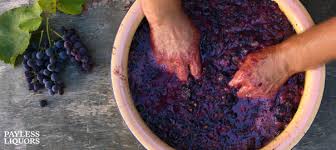
The grape consists of a number of elements:
- The skin, which provides tannin and color,
- Stalk, which provides tannin,
- Pips, which provide bitter oils,
- Pulp, which contains sugar, water, fruit acids, and pectins.
The yeast that is needed for the fermentation process is found on the outer skin of the grape fruit as a whitish bloom. The color of wine comes from the skin. Hence, red wines are made from red grapes, while white wines are made from white grapes. White wines can also be made from red grapes provided the skin is removed before fermentation begins.
The quality of the grapes determines the quality of the wine more than any other factor. Grape quality is usually affected by the variety, as well as the weather during the growing season, soil minerals and acidity, time of harvest, and pruning method.
Significance of Grape Varieties
Grape varieties are landmarks on the map of wine. The wine drinker finds it useful to know the variety used because this is a major clue to the taste and character of the wine in the bottle.
A wine made from Chardonnay, for example, will have certain taste characteristics, wherever in the world it is made, but knowledge of the main grape varieties is a most useful tool in wine choice.
Despite the very large number of vine varieties, a few have been selected by winemakers as having special characteristics, and these have become increasingly international.
These varieties all originate in classic European vineyards, and they are linked in the minds of wine lovers and winemakers across the world with classic French and other wines. Understanding the types of grapes used in wine and their characteristics is vital to getting a good understanding of wine.
Read Also: Health Benefits and Uses of Oysters
Key Grape Varieties in Winemaking
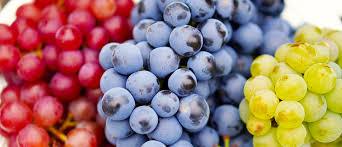
There are over 5,000 varieties of wine grapes. Some of them include:
1. Auxerrois: Also known as Malbec or Cot. It creates a neutral, fruity, and soft wine.
2. Barbera: Barbera is a low-tannin grape known for its tarry flavor.
3. Cabernet Franc: A “parent” of the Cabernet Sauvignon grape. It is added in small amounts for flavor.
4. Chardonnay: This is a fresh, fruity grape grown in Burgundy, Champagne, California, Australia, and South Africa. It is one of the most popular and easiest to grow white grapes it buds early, grows easily, and has high ripeness levels.
5. Chenin Blanc: This grape makes a light, fruity wine.
6. Cinsaut: Also known (incorrectly) as Hermitage, this grape is mostly used for blending with other, stronger varieties.
7. Colombard: These grapes end up making a wine with “tropical fruit” overtones, a light wine to go with seafood.
8. Cortese: This is the primary grape for Gavi wine; it ripens early and makes a neutral white wine.
9. Gamay: This is the grape used in Beaujolais Nouveau wine, from France.
10. Gewurztraminer: The first part of the name literally means “spicy” in German. It has a floral taste with nutty tones.
11. Grande Vidure: This is also known as the Carmenère grape; this grape was best known for its use in Médoc wines.
12. Grenache: Grenache is most often used for rosé wine. It is the second most planted grape in the world.
13. Pinotage: This wine was developed in the early 1900s and used primarily by South Africans.
14. Maréchal Foch: This is an early ripening grape, which has small berries in small clusters. The vines are hardy, though, and make a good range of red wines.
15. Merlot: This is an early ripening grape, with gentle flavors of cherry, honey, and sometimes mint.
16. Muscat: This wine has a grapey taste; it contains grapes that do not become ripe easily.
17. Nebbiolo: This is a late ripening grape that is known for being tannic, pruny, tarry, and chocolaty.
18. Pinot Blanc: This grape has a flavor very much like Chardonnay wine.
19. Pinot Noir: These grapes are softer and earlier ripening than Cabernet grapes and are sensitive to conditions.
Frequently Asked Questions (FAQs)
- What is the historical significance of winemaking?
The history of wine spans thousands of years, with the earliest known wine production occurring in Georgia around 8,000 BC. It became a part of recorded history in Egypt, playing an important role in ancient ceremonial life, and was common in ancient Greece and Rome, with many modern wine-producing regions established by Phoenician and Roman plantations. - What is vinification and why is fermentation important?
Vinification is the art of winemaking, starting with selecting the right grapes and involving the transformation of grapes’ natural sugars by yeast. Fermentation, where sugar is converted to alcohol and carbon dioxide by yeast, is vital to producing alcoholic beverages. - What are the two main types of vinification?
Vinification is divided into the production of still wine, which does not use the carbonation process, and the production of sparkling wine, which makes use of the carbonation process. - How do classic and technological vinification differ?
Classic vinification produces white wines with color and structure for prolonged aging in oak barrels, while technological vinification produces fresh wines with intense fruity and floral flavors and light color, suitable for earlier consumption, using fermentation with no skin contact and strict temperature control. - What is the primary vine species used in winemaking?
The primary vine species used in winemaking is Vitis vinifera, which stocks most of the world’s vineyards and has evolved through crossbreeding to suit local soils and climates. - What elements of the grape contribute to wine characteristics?
The grape’s skin provides tannin and color, the stalk provides tannin, pips provide bitter oils, and the pulp contains sugar, water, fruit acids, and pectins. The yeast needed for fermentation is found on the grape’s outer skin as a whitish bloom. - Why is grape variety important in winemaking?
Grape varieties are a major clue to the taste and character of the wine, as each variety, such as Chardonnay, has distinct taste characteristics regardless of where it is grown, aiding wine drinkers in their choices. - What factors affect the quality of grapes used in winemaking?
The quality of grapes is affected by the variety, weather during the growing season, soil minerals and acidity, time of harvest, and pruning method, determining the quality of the wine more than any other factor.
Do you have any questions, suggestions, or contributions? If so, please feel free to use the comment box below to share your thoughts. We also encourage you to kindly share this information with others who might benefit from it. Since we can’t reach everyone at once, we truly appreciate your help in spreading the word. Thank you so much for your support and for sharing!